South Africa: Where are the Heads? It’s time for Government to listen and act

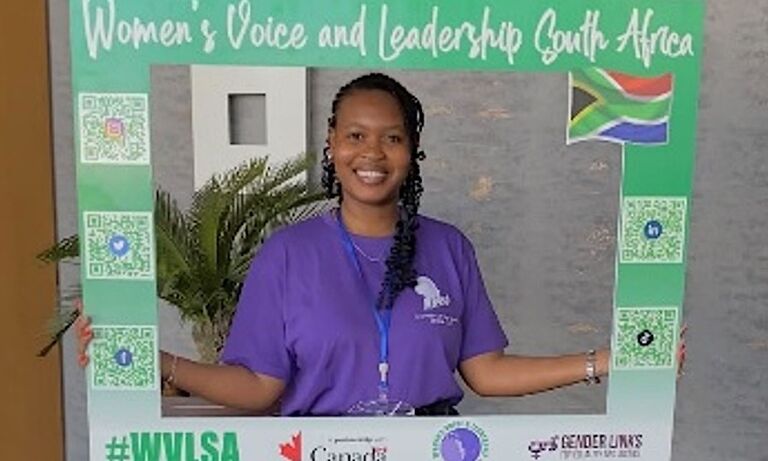
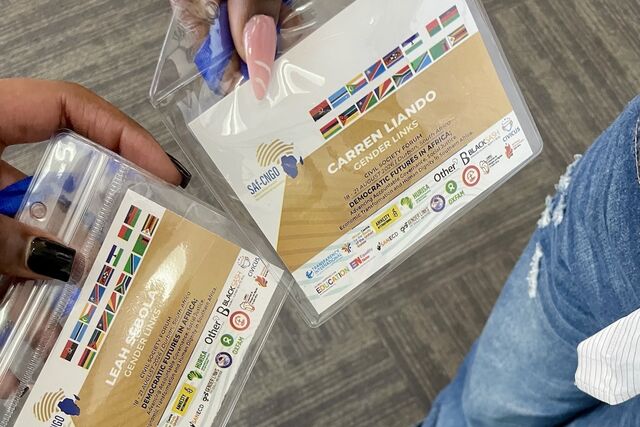
For three days, we had the opportunity to attend the SADC Heads of State/ SAF-CNGO engagement in Durban, and honestly, the experience was amazing. As WOSSO fellows, we had a full programme packed with conversations, learning, reflections and exchanges with people who are passionate about creating change across our communities.
We came back with a lot - new knowledge, new perspectives, new connections and, most importantly, many questions. But there is one question that has continued to sit with me.
Why are we still having these important conversations alone as civil society? Where are the Heads?
We continue to gather in rooms to discuss the challenges facing our communities. We talk about gender-based violence, poverty, inequality, education, healthcare, women's rights, young people and so many other issues. We share our experiences, present evidence, make recommendations and call for change. But where is government in these conversations?
These conversations need government to be involved. Civil society cannot continue to carry these discussions alone while the people we represent continue to experience the same problems year after year. I believe this is exactly where government needs to come on board.
This should be a space where government listens to the concerns raised by civil society and communities, respond to them honestly, and tells us: How do we move forward together?
Because ultimately, we all want the same thing - communities where people are safe, happy, healthy and able to live with dignity. Or at least I thought so.
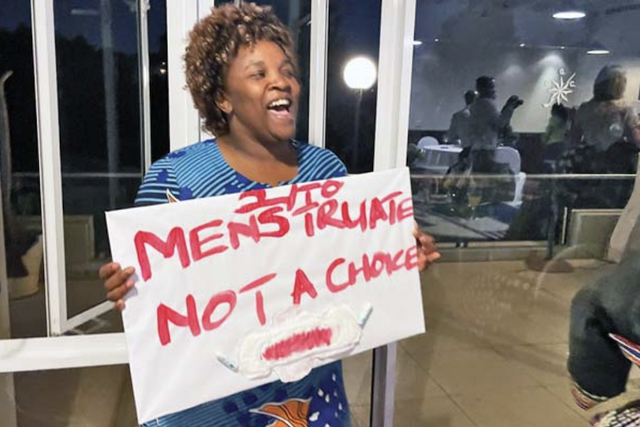
How many times must we talk about period poverty?
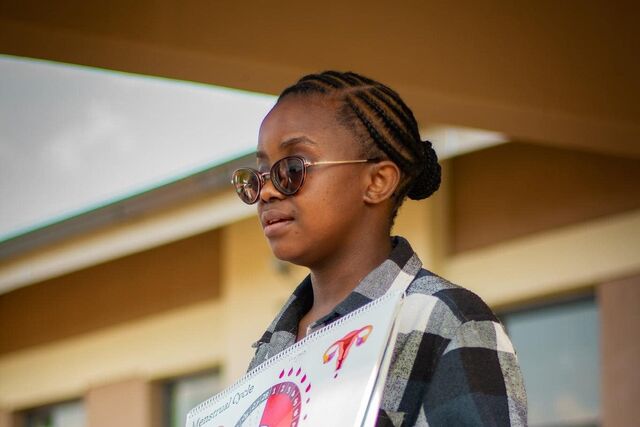
Among the many discussions we had, one issue particularly stayed on my mind: period poverty. And I keep asking myself:
Haven’t we discussed this before?
Not once.
Not twice.
But many times
Why are we, as countries, still having conversations about whether girls and young people have access to basic menstrual products? Period poverty should not still be a recurring conversation at this level. It should be something we have already addressed through meaningful policies, budgets and implementation.
We know what happens when learners do not have access to sanitary products. We know that some girls miss school because they cannot afford or access menstrual products. We know that this affects their education, their confidence and their dignity, so what are we waiting for?
A sanitary product is not a luxury. It is a basic necessity.
No child should have to stay at home, miss a lesson or feel ashamed because they cannot afford a sanitary product. No learner should have to choose between attending school and managing their menstrual cycle with dignity.
We have had the discussions.
We have heard the concerns.
We have made the calls.
Now we need implementation.
Here is a call to government: You are too quiet
Government, we need you to come on board. We need you to listen to civil society, but more importantly, we need you to act. We are tired of promises. We are tired of hearing commitments without seeing meaningful implementation.
The SADC region has an opportunity to move from talking to doing. We need governments to sit with civil society, listen to communities and work with us to develop solutions that actually reach the people who need them.
Our children cannot wait. Our communities cannot wait. The time has come for governments to be present, not only in speeches, summits and official statements, but in the implementation of solutions that change people's everyday lives. As civil society, we will continue to speak. We will continue to advocate. We will continue to ask the difficult questions.
But we should not have to ask them alone.
Where are the Heads?
Come to the table.
Listen to us.
Work with us.
And most importantly, act.
Because the people are not asking for promises anymore.
They are asking for change.
(Written by Itumeleng Maloka, WVL intern)
Comments
Related news