South Africa: The boy who brought dignity

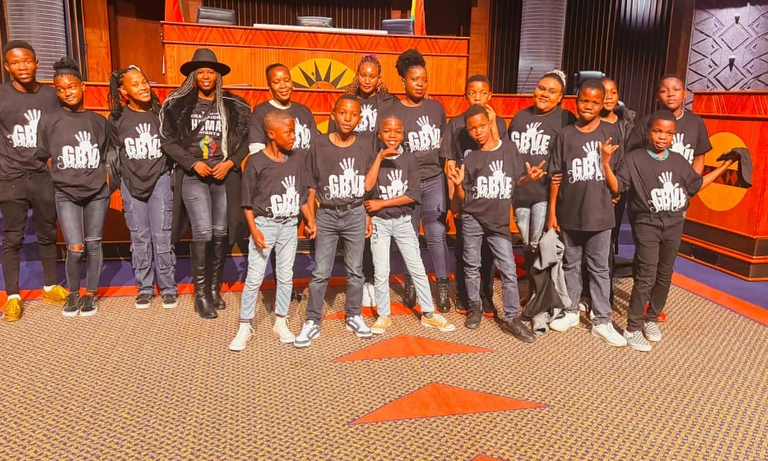
Before the introduction of the Gender-Based Violence and Femicide (GBVF) school club at Sedibeng Primary School, learners faced an environment shaped by silence and limited guidance. There were no structured youth empowerment programs, and few opportunities for learners to engage meaningfully with issues such as anti-bullying, human rights, personal responsibility, or respect for others. In this context, teasing and pranks were common, often dismissed as harmless behavior despite the emotional harm they caused.
This lack of awareness affected both boys and girls. Without safe spaces to reflect or trusted role models to guide them, learners struggled to understand the impact of their actions. Bullying thrived, conversations about gender-based violence remained muted, and accountability was rare. The problem was not confined to individual behavior. It was systemic. Learners were growing up without the tools to protect their dignity, understand their rights, or stand up for themselves and others.
This story highlights the journey of Kutullo Makgoba, a learner whose personal transformation reflects the wider change taking place within his school community. Like many of his peers, Kutullo spent much of his early school experience engaging in disruptive jokes and pranks. These actions were not rooted in malice, but in the absence of guidance, structure, and awareness. There were no platforms where learners could openly explore values of respect, dignity, and compassion.
The introduction of the GBVF school club marked a turning point. Established through collaboration with Sedibeng Primary School, the club provided mentorship and structured learning that encouraged learners to reflect on their behavior and its consequences. Sessions focused on respect, dignity, responsibility, and learners’ rights, creating space for dialogue and personal growth. For many learners, it was the first time they were encouraged to think critically about how their actions affected others.
For Kutullo, the impact was significant. Through consistent engagement and mentorship, he began to reassess his behavior and the values guiding his actions. He shifted from being a learner known for teasing to one who consciously chose respect and accountability. This change was not theoretical. It was visible in his daily interactions, his attitude towards peers, and his growing confidence to speak up for what is right.
Kutullo emerged as a compassionate young leader who now advocates for learners’ rights and promotes a respectful school environment. His transformation benefited him by strengthening his sense of responsibility and awareness. It also benefited his peers, who experienced a noticeable shift towards greater respect and care among learners.
One act, in particular, illustrates the depth of this change. When Itumeleng, a learner from a nearby school, could not afford sanitary pads due to her family’s financial constraints, Kutullo did not remain silent. With the support of his mother, he quietly ensured that she received the sanitary pads she needed. This act protected her dignity at a vulnerable moment and demonstrated a clear understanding of gender equality, dignity, and empathy in action.
This was not an isolated gesture. It reflected a broader change in Kutullo’s behavior following his involvement in the GBVF school club. Where he was once known for teasing and pranks, he now shows respect, compassion, and leadership. He actively advocates for learners’ rights and practices the values taught through the club.
Community voices affirm this transformation. One observer noted, “The club really has brought immense change in these learners. Keep up the good work.” A learner expressed appreciation for the mentorship received, thanking the facilitators for their patience and dedication. Others described the sessions as both enjoyable and educational, highlighting the importance of learning spaces that are engaging as well as informative.
To ensure that this change endures, parents, teachers, and the school management team have been actively engaged in promoting a culture of respect and support. An open-door approach has been established, encouraging the school to seek guidance and support whenever needed to strengthen GBV awareness and anti-bullying initiatives.
One of the most encouraging outcomes has been the emergence of learner-led initiatives. Equipped with knowledge and confidence, learners are now driving the movement themselves. They speak out against bullying, advocate for their rights, and support one another both in school and within the wider community. This shift reflects a move from externally driven intervention to sustainable, youth-led change.
Kutullo Makgoba’s story shows what becomes possible when young people are given the tools to understand dignity and responsibility. His journey demonstrates that empowerment, when rooted in respect and guided by consistent mentorship, can transform individuals and reshape communities. In choosing compassion over harm, Kutullo brought dignity not only to one learner, but to an entire school community.
Comments
Related Stories Of Change