South Africa: Reflections from a project collaborator

Unreliable and costly transport made it difficult for people to attend programmes, learning spaces, and community dialogues consistently. Economic pressures and social constraints further restricted who could show up, how often, and at what cost. For many, participation required time, money, and energy that were already stretched thin.
Although climate change was affecting mobility, access, and participation, there were few spaces that helped people connect these experiences to broader structural realities. As a result, climate impacts were often experienced in isolation. People felt the effects in their bodies, routines, and households, but without a shared language or collective understanding, these challenges remained personal rather than communal.
Creating space for shared understanding
Through the project, something began to shift. The change was not about removing every barrier overnight. Transport challenges and access issues did not suddenly disappear. Instead, the shift came through creating spaces where people felt seen, heard, and included despite those barriers.
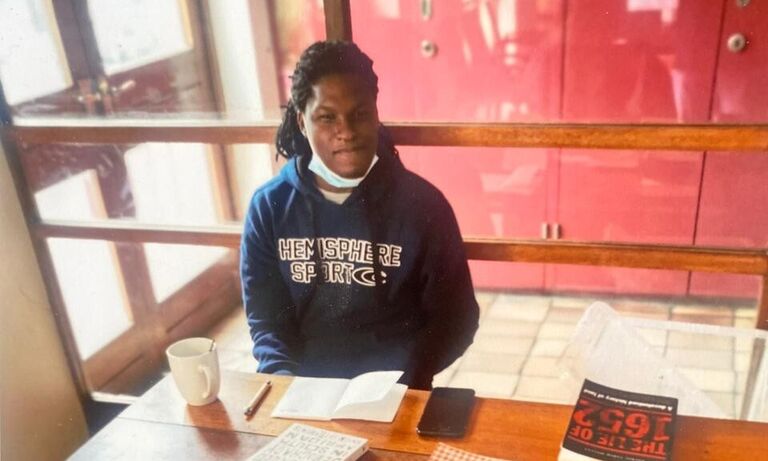
As a collaborator and facilitator, Thembi played a key role in this process. By showing up consistently with care, enthusiasm, and openness, Thembi helped make participation feel possible and meaningful. Community members began to recognise that their daily struggles were not individual failures, but part of larger climate and social patterns affecting many people around them.
This marked a move from unspoken experience to shared understanding. People felt more confident naming what they were experiencing and engaging in conversations about how climate issues shaped their lives. Participation became less intimidating and more relational, grounded in trust and familiarity.
How people‑centred engagement made the difference
The change came about through intentional, people‑centred engagement. Rather than starting with technical climate language or abstract concepts, the project began by listening to lived experiences. Community members were invited to speak from their own realities — about transport, access, and daily challenges — and only then connect these stories to broader climate and social issues.
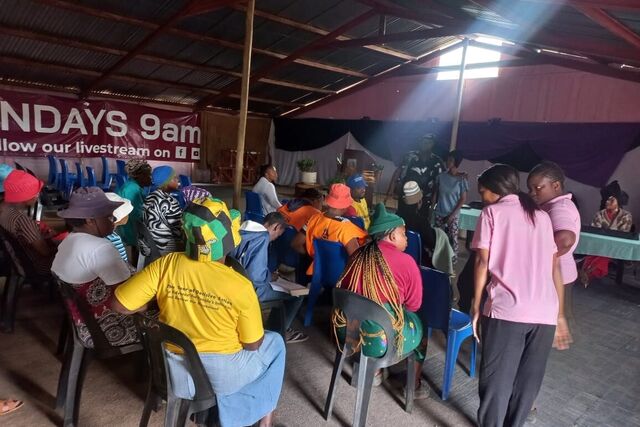
Accessible and welcoming spaces were central to this approach. Familiar faces, practical support, and a non‑judgemental atmosphere reduced barriers to participation. Volunteers and facilitators like Thembi helped create environments where people felt comfortable asking questions, sharing reflections, and learning together.
This approach shifted the tone of engagement. Climate conversations were no longer distant or academic. They became grounded in everyday life, making it easier for people to see themselves as part of the discussion and part of the solution.
As one participant shared, “Very interesting being in spaces where we can learn, connect and share.” Another reflected on the value of being able to speak openly: “I love how I can get to talk on this in my workshops.”
Evidence of change in everyday participation
The impact of this work is visible in how people now engage. Participants show increased willingness to share personal experiences related to climate impacts in community spaces. Dialogues are more interactive, with participants asking questions and contributing reflections rooted in their own lives.
Despite ongoing challenges such as transport limitations, people continue to participate across activities. This consistency speaks to the sense of belonging and value created through the project. Feedback from both participants and facilitators points to a clearer understanding of how climate issues intersect with daily life and community wellbeing.
Encouragement from community members also reflects this shift. One voice summed it up simply: “Keep doing the amazing work.”
These responses show that change does not always appear as dramatic transformation. Sometimes it is found in people choosing to return, to speak, and to stay engaged even when conditions remain difficult.
Building sustainability through relationships
The sustainability of this work lies in the relationships built along the way. Trust, care, and consistency have created a strong foundation that extends beyond individual events or activities.
The involvement of committed volunteers like Thembi demonstrates how community‑rooted participation strengthens the longevity of the project. By continuing to show up with care and enthusiasm, collaborators help ensure that learning and dialogue continue over time rather than ending with a single intervention.
These human connections mean that responsibility is shared. Knowledge circulates. Support systems grow. Climate conversations remain alive within communities rather than fading once a programme concludes.
Looking ahead
Going forward, the project will continue to prioritise accessible, community‑based spaces that centre lived experience and acknowledge practical realities such as transport and participation barriers. There is an opportunity to deepen this work by strengthening support systems for volunteers, expanding local partnerships, and creating clearer pathways for community members to remain involved beyond individual events.
By building on relationships and lessons learned, the project can continue to grow its impact while staying grounded in the needs and realities of the communities it serves.
From within the work, Thembi’s reflections remind us that meaningful climate engagement begins with listening, presence, and care — and that shared understanding can be a powerful starting point for collective change.
Comments
Related Stories Of Change