Mozambique: A preocupante média de cinco filhos por mulher o acesso à informação contribui para a redução da taxa de fecundidade

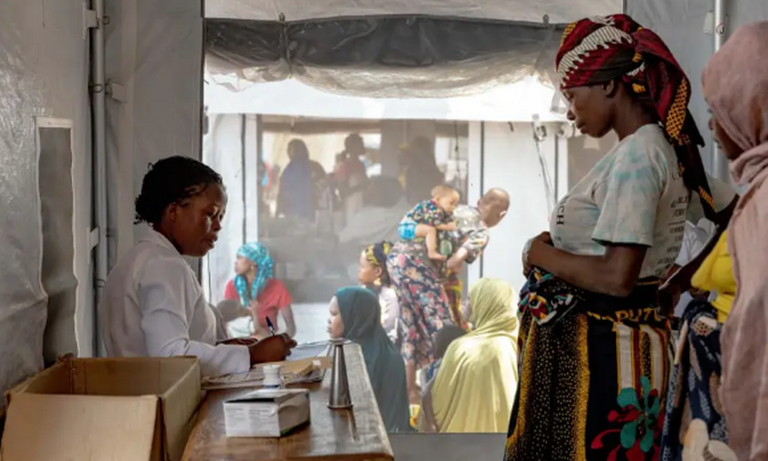
The article examines fertility trends in Mozambique, highlighting a sharp contrast between the southern region, particularly Maputo city, and the central and northern regions of the country. While Maputo records one of the lowest fertility rates at around 2.1 children per woman, the national average remains high, close to five children per woman, raising concerns about population growth and pressure on public services.
Through personal testimony and health sector perspectives, the story shows how access to information, education and family planning services enables women to make informed reproductive choices. Health professionals in Maputo report growing use of contraceptive methods among young women, contributing to delayed pregnancies, higher school completion rates and greater reproductive autonomy, although challenges such as contraceptive stock shortages and limited male involvement persist.
Drawing on data from UNFPA and the National Statistics Institute, the article explains that high fertility rates in the northern provinces are linked to low female education levels, limited access to health services, cultural norms and early marriage. Experts warn that without targeted public policies focused on education, youth and reproductive health, rapid population growth risks undermining economic development and social systems.
Written by Cleto Almeida. This article, first published by Savana, is part of the Media Parity Capacity Building Programme and republished as part of the programme series.
Comments
Related news