Media literacy
Introduction

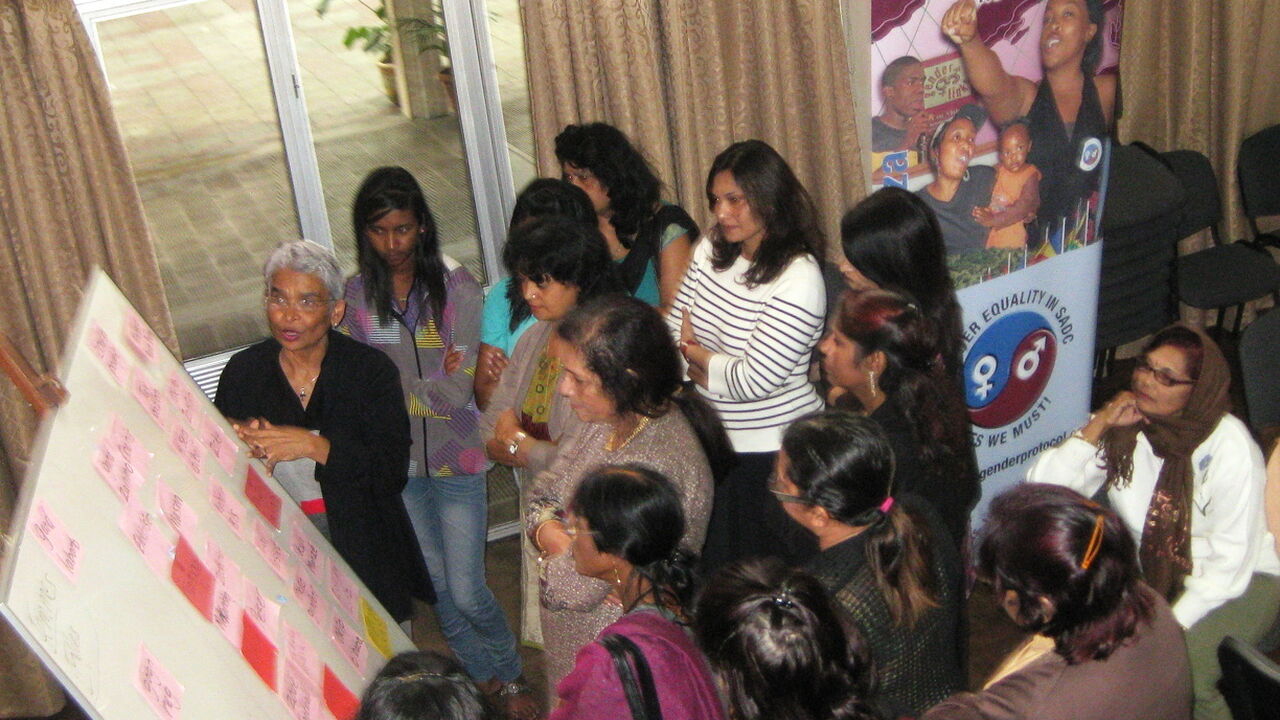
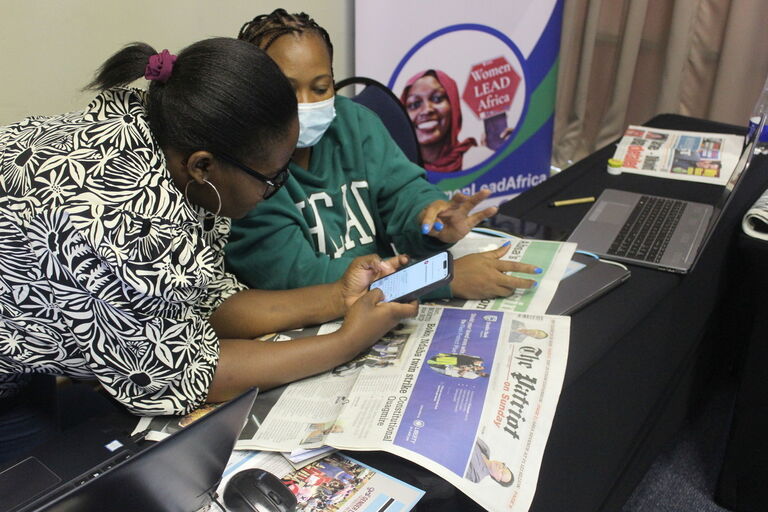
Gender Links has developed a Gender and Media Literacy course designed to enhance citizens’ ability to engage critically with media content. First piloted in South Africa in 2006, the course has since been replicated in 13 SADC countries. The training targets different groups, including the general public, women in politics, school-going learners and trainers.

We are working to get the course accredited by the South African Qualifications Authority. Skills and knowledge to be gained from this course include:
- Conceptual knowledge around gender and media
- Monitoring skills: quantitative and qualitative
- IT for media advocacy skills
- Writing skills
- Giving feedback to the media

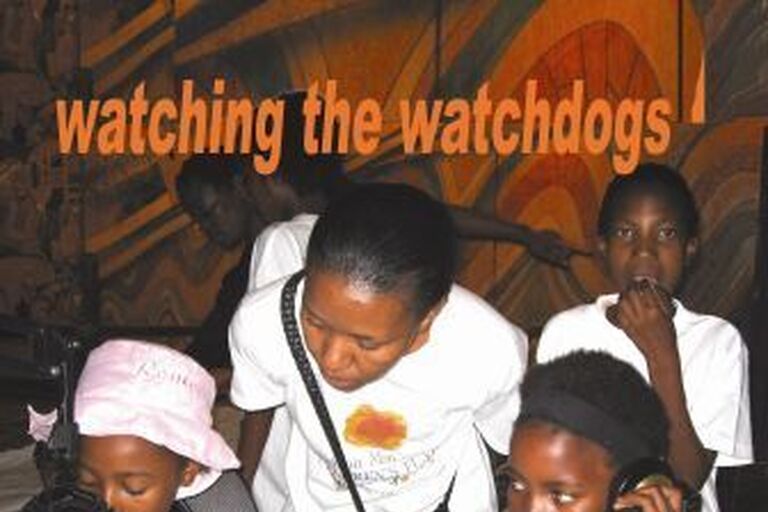
The Watching the Watchdogs toolkit has been developed to guide the course. It draws on research and training materials developed over several years on gender and the Southern African media.
Regional
In 2008, Gender Links rolled out the Gender and Media Literacy course across the SADC region. Four countries, Botswana, Mauritius, Namibia, and Seychelles, participated in the regional pilots conducted between June and October 2008. Different target groups benefited from these projects. Gender Links partnered with the Gender and Media Southern African Network and the Gender and Media Diversity Centre to roll out the course.
Courses have also been held in Botswana, the DRC, Lesotho, Mauritius, Mozambique, Namibia, Swaziland and Zambia.
Countries involved
Botswana
The Botswana media literacy project was a joint collaboration between Gender Links, the Botswana chapter of the Gender and Media Southern Africa Network (GEMSA) and the University of Botswana. The course was coordinated by the GEMSA country facilitator, Keabonye Ntsabane.
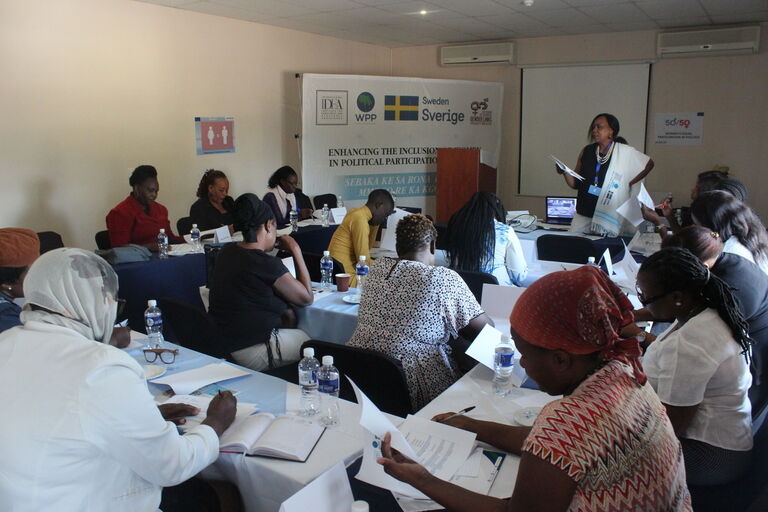
The report details the training conducted in Botswana from 2 June to 4 August 2008. The course was aimed at members of the public working in NGOs who regularly engage in communications. Three NGOs were targeted: the Botswana Media Women’s Association, the Marang Childcare Network Trust and the Young Men’s Christian Association.
Democratic Republic of Congo
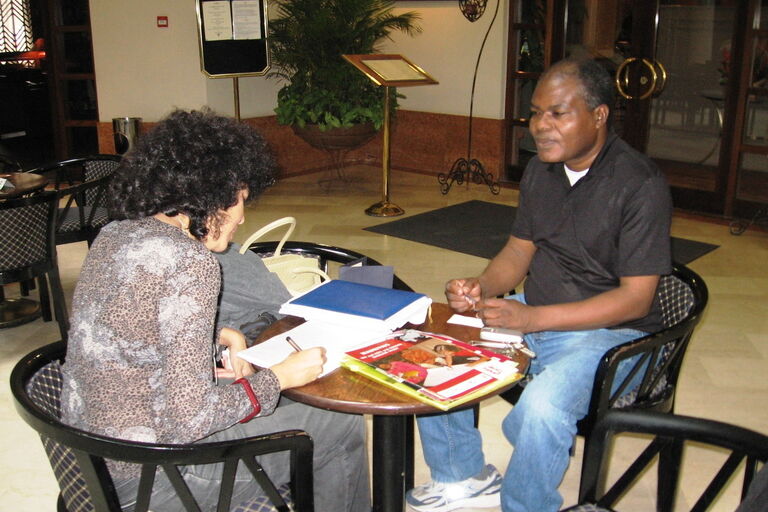
The training on “Media and Gender Education” for the general public was held in Kinshasa in the Democratic Republic of Congo from October 17 to December 5, 2009. Twenty members of civil society organizations benefited from this training, which consisted of ten modules.
Lesotho
This brief report outlines the activities of the gender and media literacy training conducted at the National University of Lesotho (NUL) from 7 to 24 February 2011. This was the second such training session hosted by NUL and Gender Links: the first was for citizens, and this second session was for first-year students in the university’s Department of Research, Evaluation and Media.
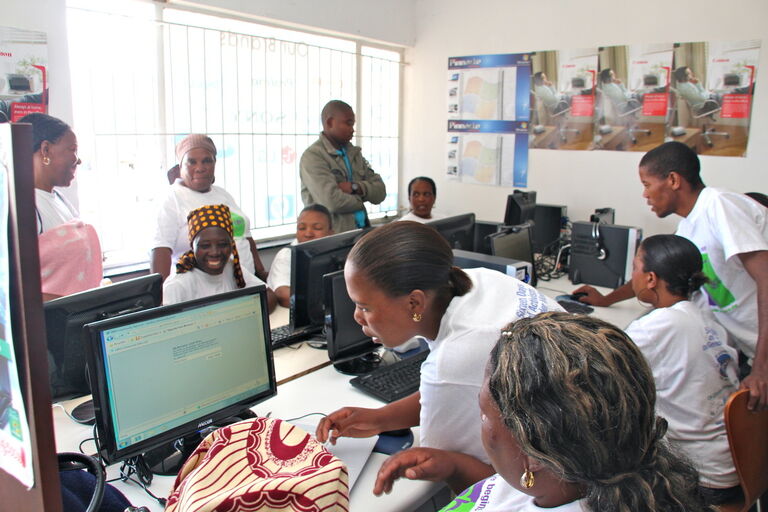
The course was based on the Watching the Watchdogs training manual, developed by Gender Links in 2006. The manual was adapted and enhanced with local Zimbabwean media examples, as well as those used in the Gender and Media Progress Study 2010 research, to make it relevant to the participants’ context.
Malawi
This brief report details the activities of the Malawi Institute of Journalism (MIJ) gender and media literacy training conducted at the Malawi Sun Hotel in Blantyre from 23 to 25 March 2011. The successful three-day training workshop was hosted by Gender Links, in partnership with the MIJ.
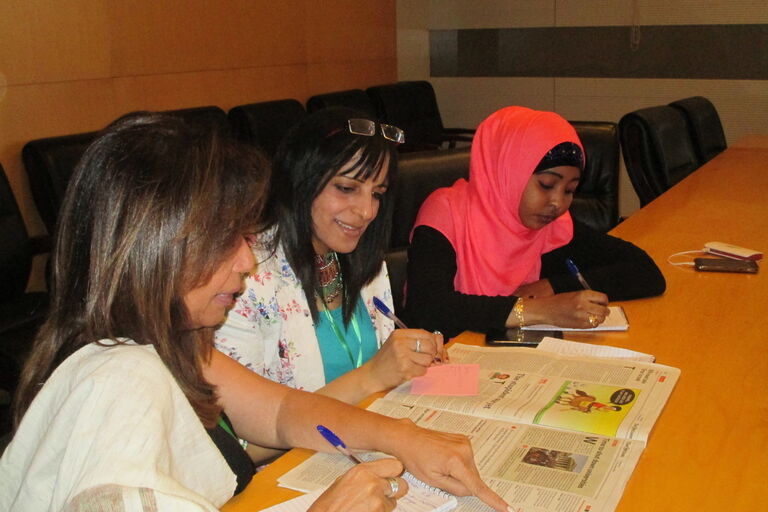
The course was based on the Watching the Watchdogs training manual, developed by Gender Links in 2006. The manual was adapted and enhanced with local Malawi media examples, as well as those used in the Gender and Media Progress Study 2010 (GMPS) research, to make it relevant to the participants’ context.
Mozambique
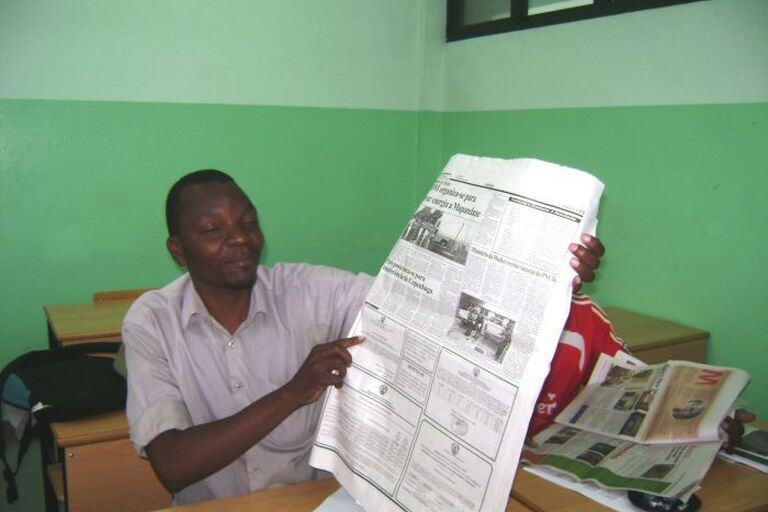
The Mozambique media literacy project ran from November to December 2009, with graduation held in February 2010. The course, which was being run on a pilot basis, was conducted over an eight-week period. It was run in collaboration with Eduardo Mondlane University in Maputo, which hosted the participants throughout the course.
Mauritius
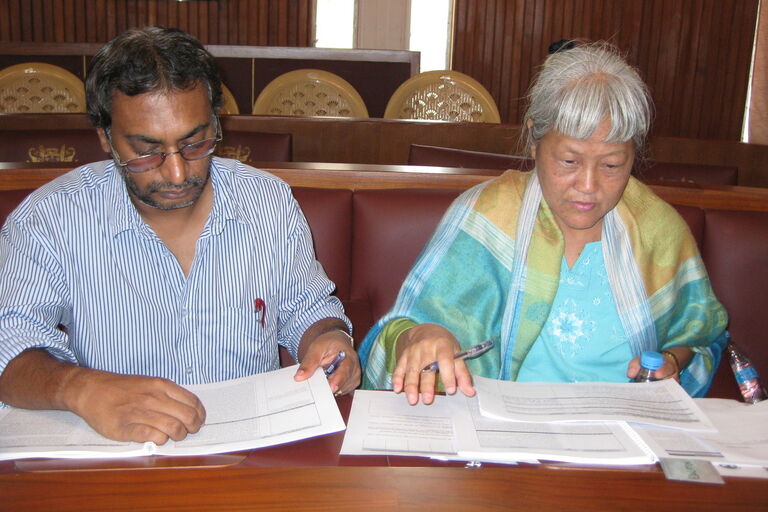
This short training course on media literacy (the ability to be critical about what we see, hear and read) was a joint collaboration between Gender Links, and the Media Watch Organisation and the CCL Training Institute in Mauritius. This course was made possible with funding from Danida.
Namibia
The Namibia media literacy project was a collaboration between Gender Links, the Gender and Media Diversity Centre and the Namibia chapter of the Gender and Media Southern Africa Network.
The course was conducted using a local adaptation of the Gender Links media literacy toolkit, Watching the Watchdogs, with training commencing on 16 June 2008 at the Polytechnic of Namibia.

South Africa
These reports outline the activities of the gender and media literacy course run by Gender Links in partnership with Ecumenical Service for Socio-Economic Transformation (ESSET).
The training was conducted with informal women traders who work with ESSET from 29 October 2010 to 24 February 2011, which coincided with the 16 Days of Activism campaign, in which the women actively participated.
This project is part of Gender Links’ efforts to empower citizens to engage critically with the media.
Swaziland
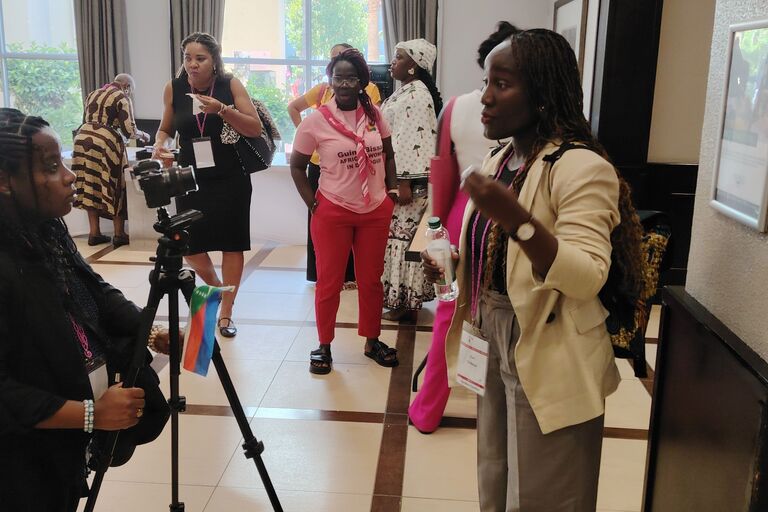
The Swaziland media literacy pilot project kicked off on 3 August 2009. The course, a collaboration with the Department of Journalism and Media Studies at the University of Swaziland, aimed to empower the public to engage critically with the media. It attracted a wide range of participants, including journalists, students and members of the general public.
Participants attending the course worked on special projects that were presented on graduation day on 22 September 2009.
Zambia
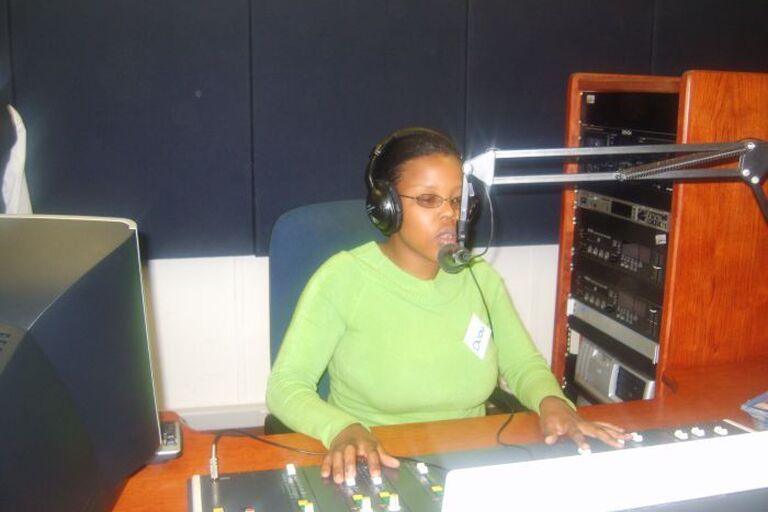
This report outlines the Zambia media literacy project, a collaboration between Gender Links and the Zambia Institute of Mass Communications, which took place from 27 to 31 July 2009. The course, run on a pilot basis, attracted a wide variety of participants, including journalists and media practitioners, journalism students, and members of the general public.

Zimbabwe
This report details the activities of the gender and media literacy training conducted at the National University of Science and Technology (NUST) from 22 to 26 November 2010. Gender Links, in partnership with the NUST, hosted the five-day training session, the first of its kind at the university.
The course was based on the Watching the Watchdogs training manual, developed by Gender Links in 2006. The manual was adapted and enhanced with local Zimbabwe media examples, as well as those used in the Gender and Media Progress Study 2010 (GMPS) research, to make it relevant to the participants’ context.
Training toolkit
The Watching the Watchdogs toolkit was developed to guide the media literacy training courses. It draws on research and training materials developed over several years on gender and the Southern African media.
The kit consists of a binder with 10 modules, core exercises and notes. The modules allow for maximum participation and creativity on the part of learners, as well as adaptation to local circumstances.
The binder format enables participants at any level or location to add their own collection of materials to the basic texts, based on the numerous exercises and assignments. The toolkit can also be adapted to suit the needs of different target groups by adding local examples.
It also takes into account an outcomes-based approach to education.