
Gender and the media
Gender and the media

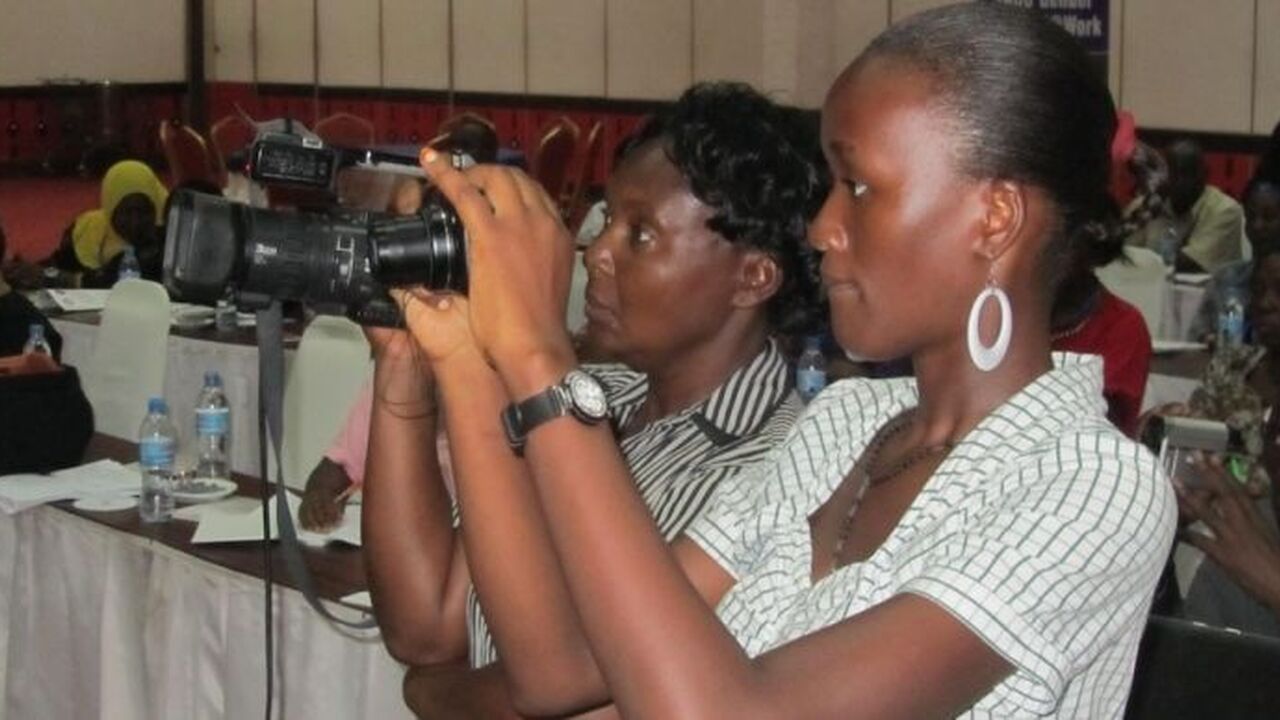
Gender equality in and through the media

We work with media houses, journalism schools, regulators and civil society to push for inclusive, accountable and gender-aware journalism, amplifying women’s voices and advancing inclusive media policy through research, advocacy, training and partnerships.
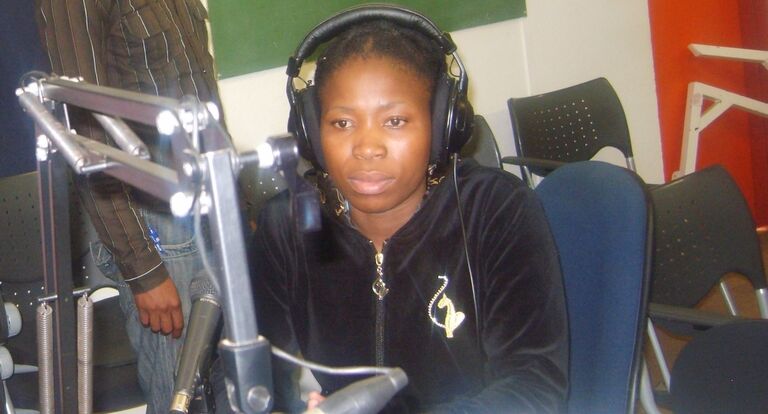

Key facts
gender-aware stories, produced by 44 journalists in five countries under the Media Parity project
journalists in five countries receiving training under the Marang Fund, producing 500+ stories on sexual diversity and inclusion
Centres of Excellence for gender awareness in media houses and 13 for gender awareness in media education institutions
Why this work matters
The media can reinforce inequality or drive change. According to a 2021 Global Media Monitoring Project survey, across Africa, only 22% of the people seen, heard or read about in the news are women.
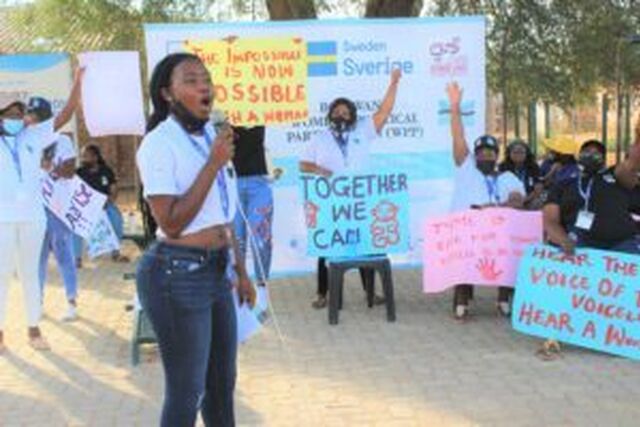
To change this, Gender Links is shaping a vibrant gender-in-the-media movement across Southern Africa.
We use research-driven, locally rooted approaches to shift narratives and influence global standards, including through our leadership in the Global Alliance on Media and Gender.
Gender Links has played a key role in driving cross-cutting policy and practice, including:
- Groundbreaking research informing media training, advocacy and policy, including the Gender and Media Progress Study, the most extensive longitudinal media study on the region
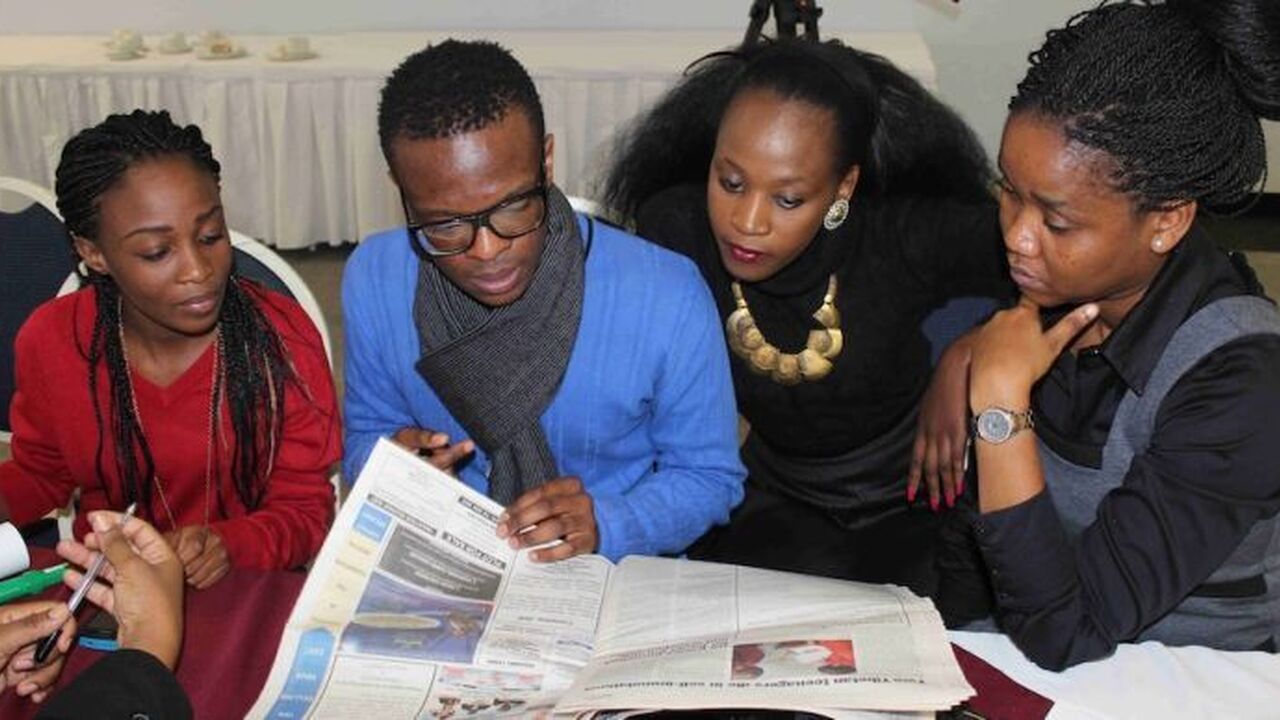
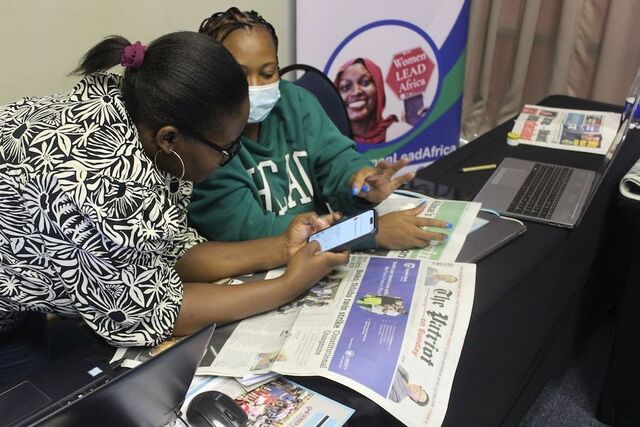
- Gender-aware journalism training and on-demand consultancies; media partnerships; thematic workshops, especially addressing reporting gaps, such as SRHR (sexual and reproductive health rights), women’s political participation and economic inclusion; and developing training tools available via our knowledge hub
- Building networks and lasting partnerships with media, researchers, academics and activists through initiatives such as Centres of Excellence within 108 media outlets, the Gender and Media Diversity Centre, and the Gender in Media Education network
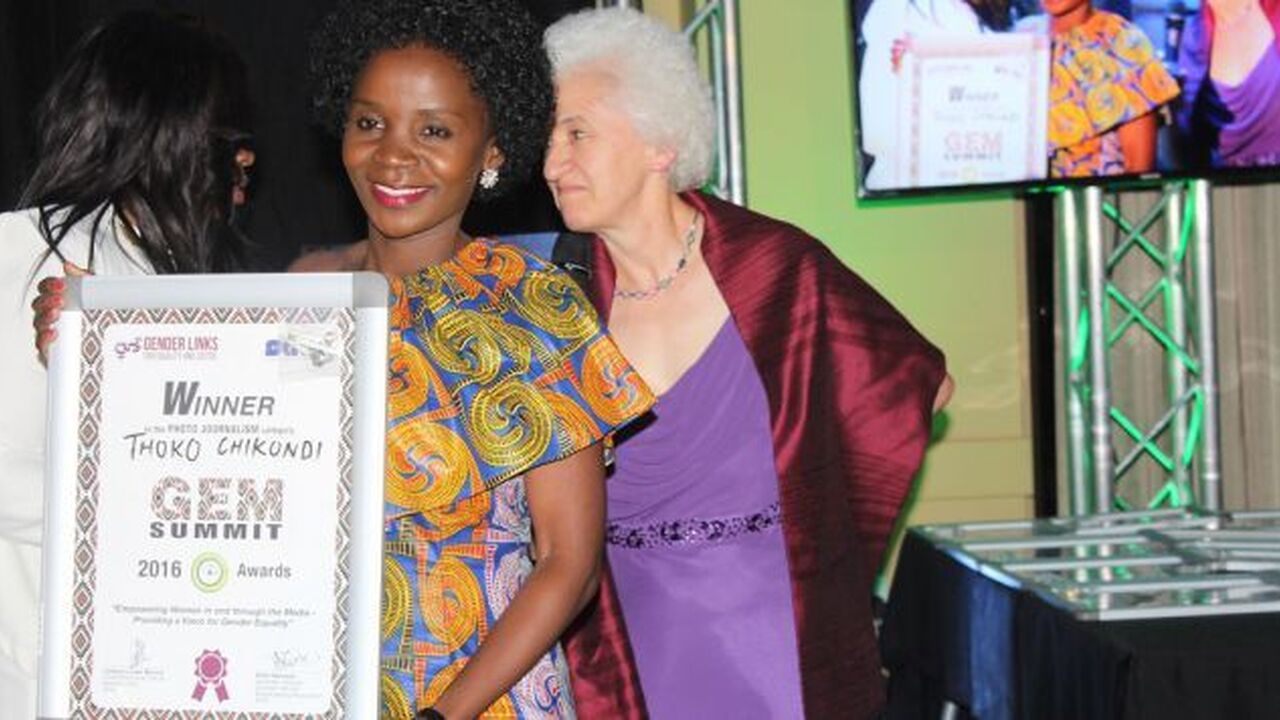
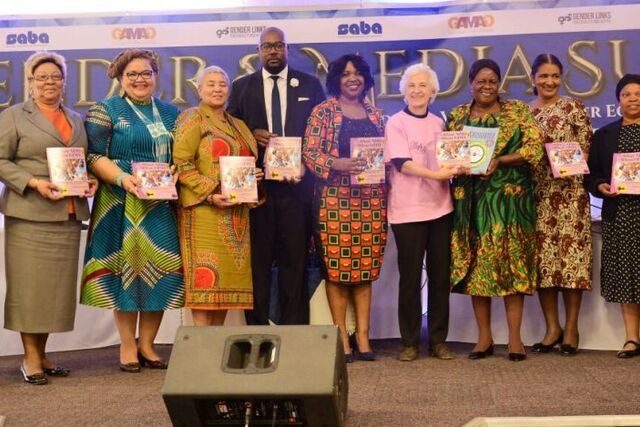
- SADC gender and media summits – vibrant platforms for celebrating excellence in gender-aware journalism, enabling peer learning, and mobilising collective action across countries and sectors
Programmes

Knowledge products

Publications
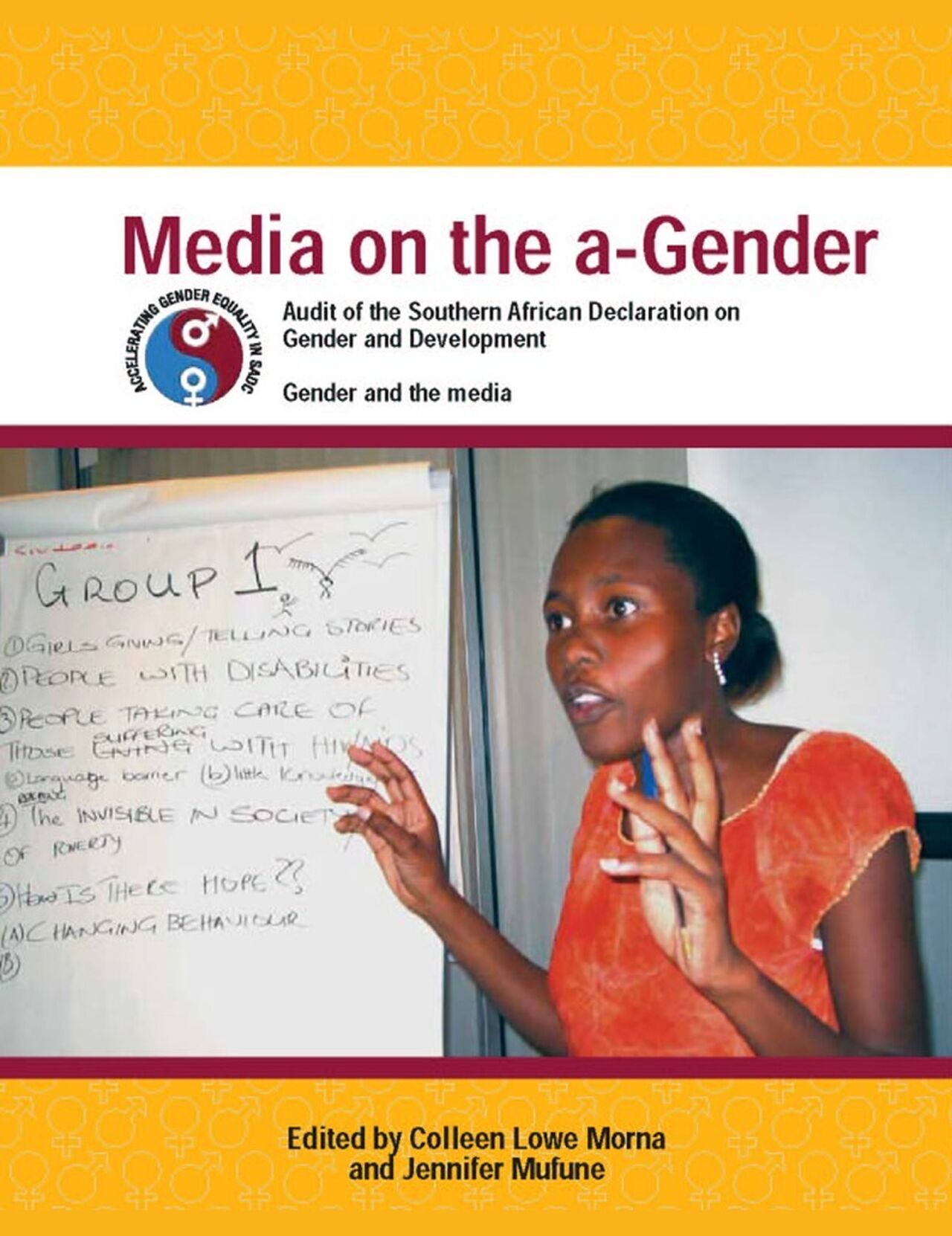
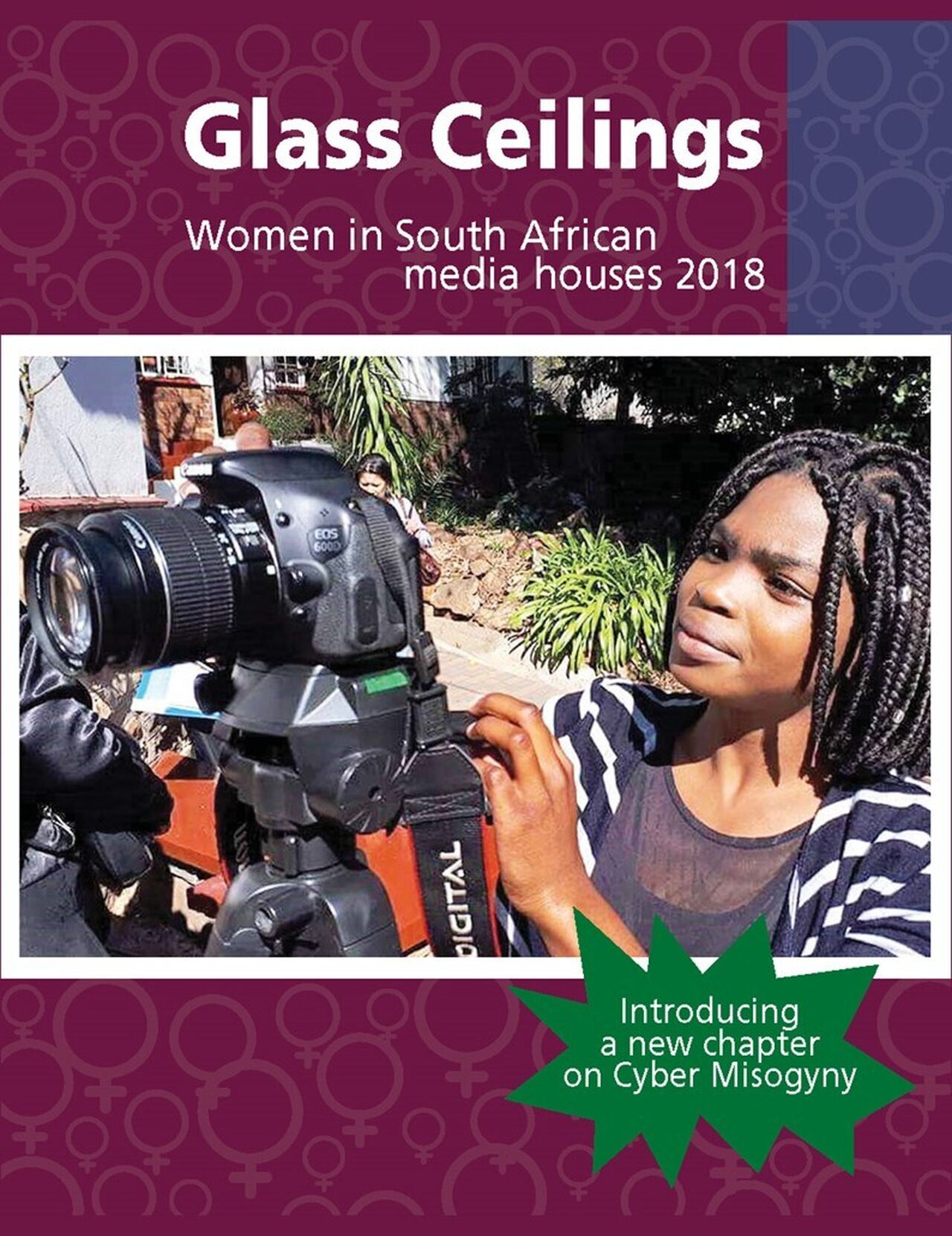
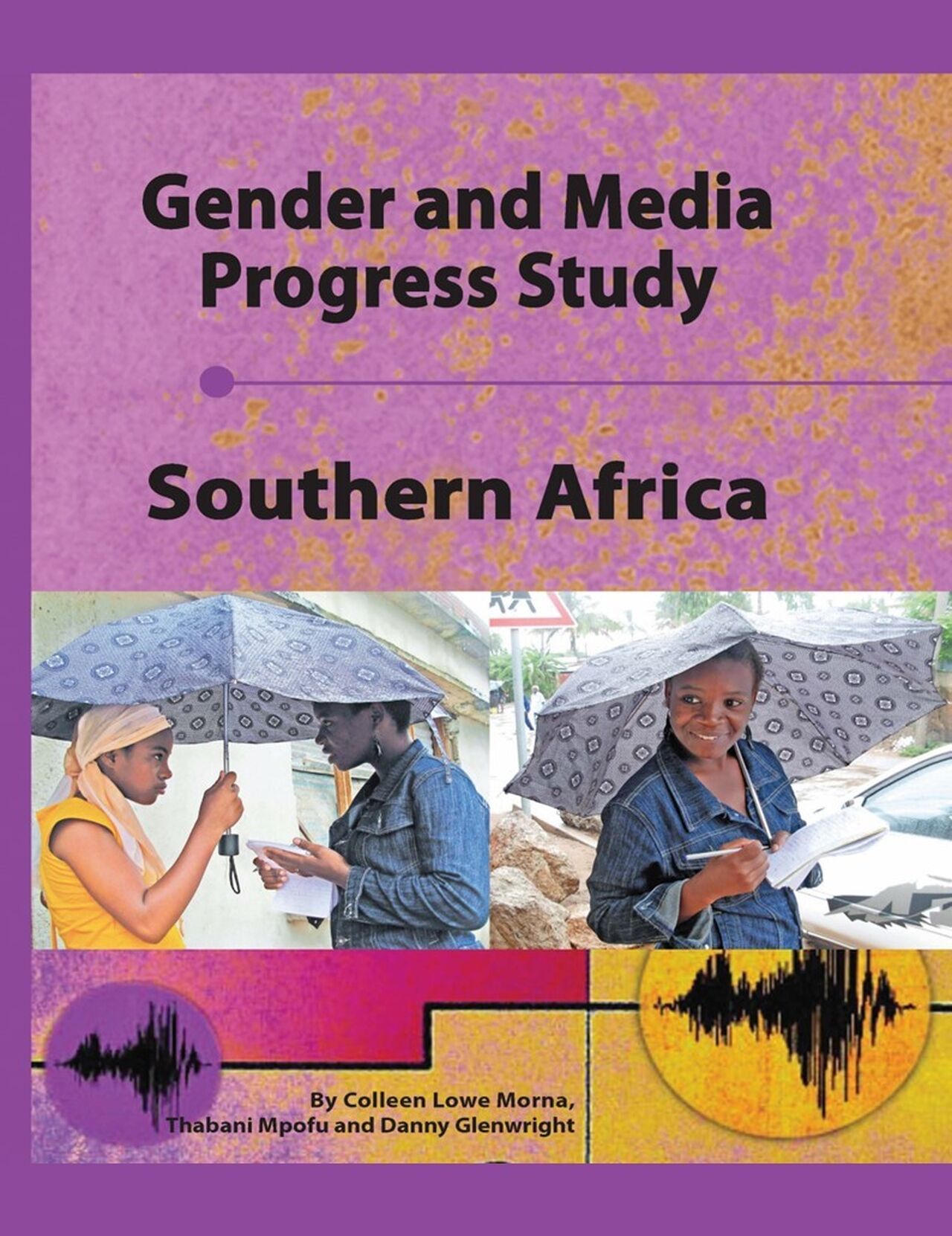
COEs for Gender in Media Education
The Centres of Excellence in Media Education Network arose from the Gender in Media Education Audit (2010). The audit measured if and how gender is mainstreamed in journalism and media education and training. The research highlights gaps and good practices in institutions of higher learning across the region.
COEs for Gender in the Media
The media policy arm of Gender Links aims to ensure that the SADC Gender Protocol targets of gender equality in and through the media are integrated into the work of regulatory authorities and media houses.
Training
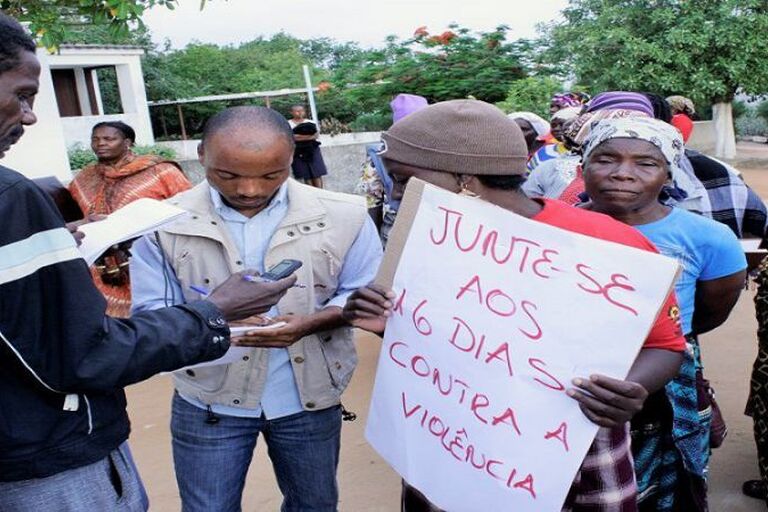
Over the years, Gender Links’ training work has taken on several dimensions, including the development of a wide array of training materials and tools, as well as short courses on various themes such as gender violence, HIV and AIDS, SRHR, elections and the media, gender and economic reporting, and women’s political participation.
We also piloted a media literacy course for the general public in South Africa, which has since been extended to different target groups, including learners, women in politics and journalism, and media trainers.
Media literacy
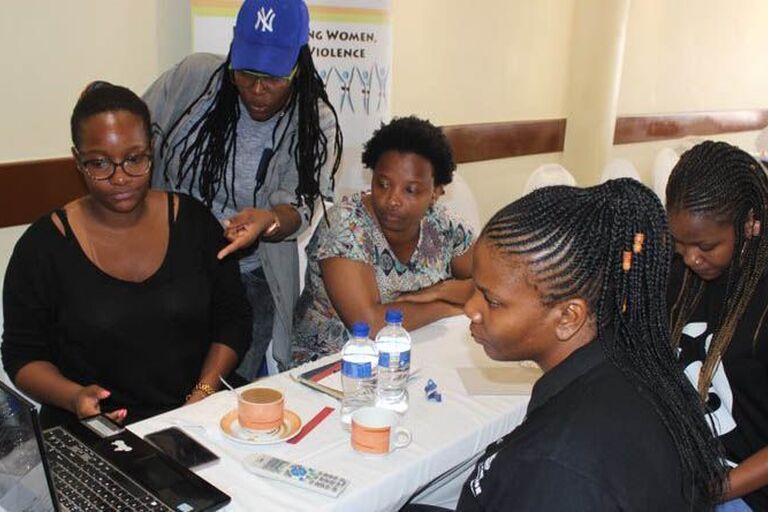
Gender Links has developed a Gender and Media Literacy course designed to enhance citizens’ ability to engage critically with media content. First piloted in South Africa in 2006, the course has since been replicated in 13 SADC countries.
The training targets different groups, including the general public, women in politics, school-going learners and trainers.
