Mozambique: Desistência escolar das raparigas

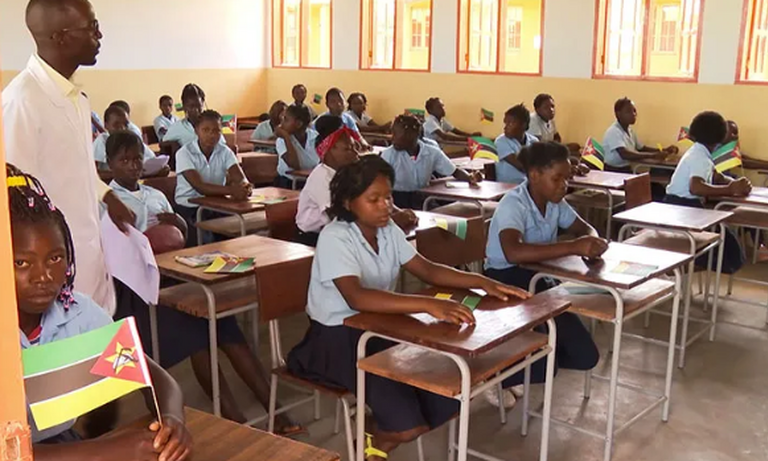
The article examines the persistent problem of school dropout among girls in Mozambique, highlighting early pregnancy, child marriage, domestic labor burdens and cultural stigma as key drivers. Data from the Barometer on the Status of Women in Mozambique show that around 70 percent of pregnant girls abandon school, reinforcing cycles of poverty and vulnerability.
Through the personal experiences of young mothers, the story illustrates how stigma, family pressure and lack of decision making power force many girls to leave school despite policies that allow pregnant learners to continue their education. While some girls receive family support and manage to return to school after childbirth, others permanently lose educational opportunities due to social and economic constraints.
Government officials acknowledge progress in reducing dropout rates but admit that gaps remain, particularly in psychosocial support and community attitudes. The article stresses that keeping girls in school requires coordinated efforts by families, schools and authorities, and that education remains critical to girls’ empowerment and long-term social development.
Written by Helena Madanca. This article, first published by Savana, is part of the Media Parity Capacity Building Programme and republished as part of the programme series.
Comments
Related news