Marang in motion: When African women gather, we heal

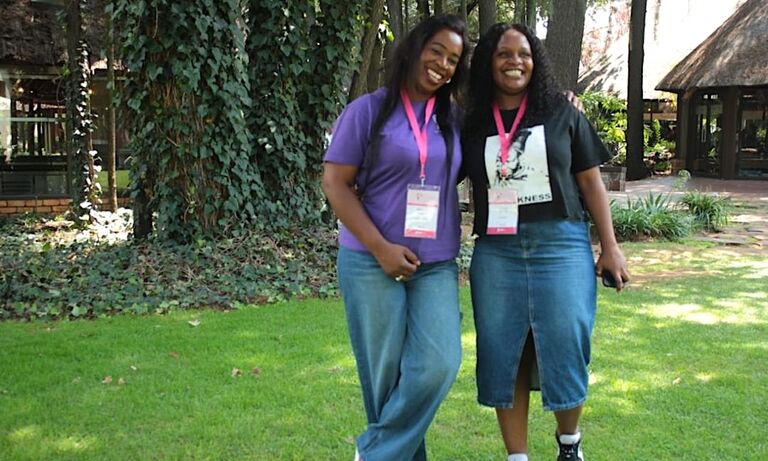
Walking into my first African Women in Dialogue (AfWID) review meeting felt like crossing a sacred threshold. From the very first moment, the space held me, ngothando, with love, so abundant it softened the edges of everything I thought I knew about convening, about politics, about power. This was not just a meeting. It was a homecoming, ukubuyela ekhaya.
I arrived as part of the curators’ collective, entrusted with shaping the regional convenings and imagining future AfWID spaces that are inclusive, safe, and uplifting. Yet, as a first time participant, I was also simply a daughter among mothers, a learner among elders, umntwana wabafazi abakhulu, held by wisdom and care.
What made this gathering extraordinary was its fullness. Every single African country was present, represented in body, voice, and spirit. From the islands to the mainland, from north to south, east to west, the continent gathered as one, iAfrika iphelele, with no margins, no absences, no silences.
To share a room with Zanele Mbeki, Naledi Pandor, and so many women I grew up admiring felt surreal. To breathe the same air as these formidable leaders, to feel the weight and warmth of our united struggles, was to understand lineage as living presence. Jaar-jaar dafay dund ci nun, history lives in us.
Each day began with greetings in our many languages: Kusile. Dumela. Asubuhi njema.
And in those greetings, we recognised something profound. Across borders and tongues, we greet the same sun, ilanga eliphumayo, the rising light of a new day, offering an affirmation that says, I see you. You are seen.Sawubona. Sikhona.
In that shared recognition, AfWID felt unmistakably Marang coded, a space of illumination, warmth, and becoming. Marang, light, moved through bodies, memory, and possibility.
There was healing in every rhythm. We sang. We danced. We loved. We wrapped ourselves in vibrant African colours. We cried together, sakhala ndawonye, holding Sudan, the DRC, and other wounded lands in collective grief. In those moments, we practised kutunza, the radical act of holding and caring for one another without explanation.
I was moved in ways I am still finding words for, yet never once felt alone. I was surrounded by mothers who loved me, oomama abasithandayo, by ancestors who paved the way, okhokho’kazi, and by young women carrying the Africa we seek, iAfrika esiyifunayo, riding on the lineage of their foremothers.
Our conversations travelled deep: the archives of African women, knowledge production rooted in our lived realities, and the urgent work of decolonising language, space, and borders. We spoke of disruption, ukuphazamisa inkqubo yobukoloniyali, of dismantling systems that fragment us, and of reclaiming wholeness on our own terms.
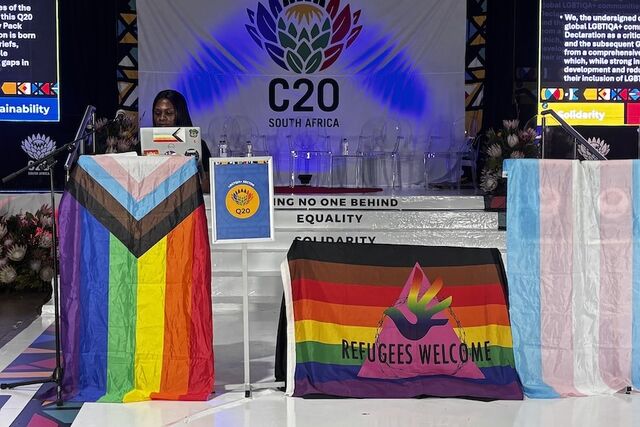
In this sacred space, queerness was not merely tolerated. It was celebrated. Revolutionary activist leaders like Sarah Longwe embodied this truth so powerfully. Her rainbow phone case became a teaching tool, a declaration of solidarity. She reminded us, clearly and without apology, that homophobia is un African, and that queerness is deeply African, historical, and ours. Siyazi ukuba singobani, we know who we are.
AfWID showed me what is possible when African women gather with intention. Siyaphilisa. Siyavuma. Siyathandana. We heal each other. We affirm each other. We love, fiercely and freely.
As I look toward future convenings, my heart is full. To our mothers, our elders, our way openers: Re a leboga. Siyabonga. Asante sana.
Thank you for paving the way. Your footsteps have made paths wide enough for us all.
(Written by Lusanda Mamba, Programme Manager, Marang Southern Africa LGBTIQ Fund)