16 Days: Honouring the forgotten elderly womxn GBV survivors

In every community, there are silent stories, narratives of pain, resilience, and unspoken strength. Recently, Tosunga Baninga was reminded of a truth often overlooked. Elderly womxn remain among the most vulnerable and least supported groups in addressing Sexual and Gender-Based Violence and Femicide (SGBVF).
While preparing for the workshop, climate justice activist Mamokete posed a poignant question: ‘What about the elderly womxn? Who is thinking about them?’ Her words struck a chord; this was a call we could not ignore. This community carries a history of violence, and many elderly people have endured traumas that were never acknowledged. We recalled the heartbreaking 2016 case of an elderly woman raped and killed – her veins cut, her voice silenced forever. At that moment, we knew the workshop needed to shift focus. We had to create space for the elderly. We had to listen.
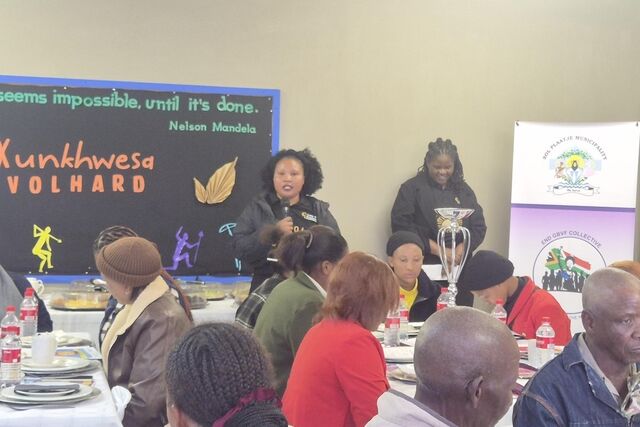
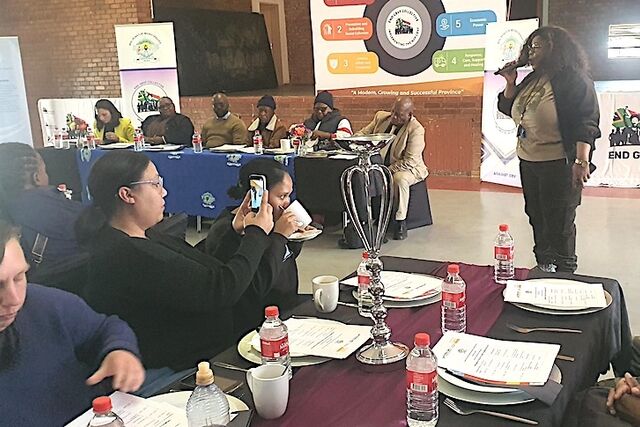
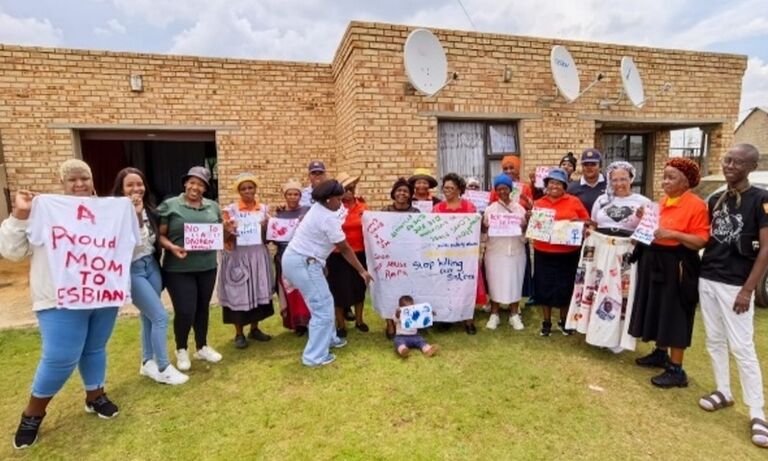
The workshop brought together elderly womxn for three key sessions designed to educate, empower, and open pathways to healing. It created safe spaces, three sessions and countless emotions
Understanding LGBTQIA+ Identities: Facilitated by Mosebetse Elle Mosue, this session offered a compassionate introduction to LGBTQIA+ issues. For many participants, it was their first opportunity to learn and ask questions in a safe, non-judgmental environment. This session provided practical knowledge on HIV and AIDS, equipping elders to protect themselves and care for orphaned grandchildren. The focus was on clear, accessible information rather than technical jargon.
Artistic Activism and Emotional Release: Initially framed as a discussion on activism, this session evolved into a profound moment of emotional expression. As memories surfaced, some participants were triggered by past trauma. A social worker was present to offer immediate support, reminding us that healing is never linear and that elderly people deserve space where their pain is acknowledged and held with care
Our original plan was to prepare participants to support victims in their communities. However, when the elders spoke, we listened. The workshop took a pivotal turn when elders began asking: ‘Where do we go when we are abused?’ ‘Who shelters us?’ ‘Who protects the old women?’ These questions changed everything. We invited Anisa from the National Shelter Movement to provide practical guidance on shelter and safety options, information that had been denied to these survivors for years.
The day concluded with a vibrant painting session led by Elle, Katleho, and Bomikazi. The room filled with colour, laughter, and joy, even the youngest participant joined in. These artworks will not be hidden away; they will serve as tools for advocacy, storytelling, and ongoing healing.
Provincial leaders and SAPS members attended the workshop, encouraging us to expand into larger venues and reach more people. Their support affirmed what we already knew: This is not just a workshop; it is a movement.
We then concluded that our work is far from over. The next steps were to collaboration with the 1in9 Campaign, elders will paint a mural at the 1in9 office, using art to raise awareness and share their stories; administrative support, assisting with policies, contracts, organisational development; skills development, training in sewing and gardening to promote healing, independence, and sustainable livelihoods.
The Heart of It All, this workshop taught us a profound truth that healing does not belong only to the young, it belongs to the elders too, those who raised us, whose pain has long been ignored, and whose voices we must amplify. What began as a single workshop has grown into an ongoing program rooted in dignity, community, and justice. And this is just the beginning.
(By Itumeleng Maloka, WVLSA intern)
Comments
Related news