Southern Africa: Putting women at the centre of Peace and Security

What does peace mean for a woman living in a conflict affected community? What does security look like for a refugee who faces discrimination when seeking healthcare, or for a woman whose voice remains absent from decisions about her country's future?
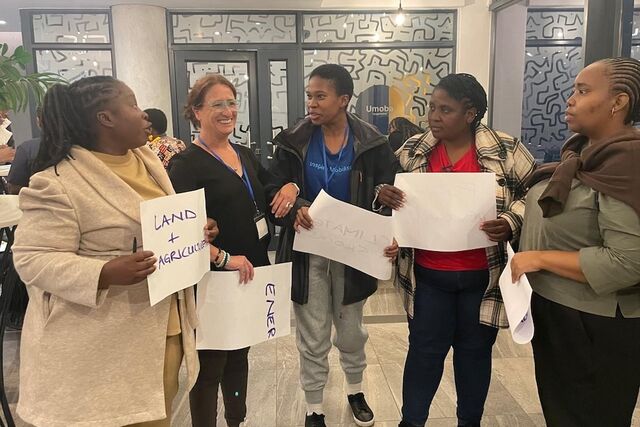
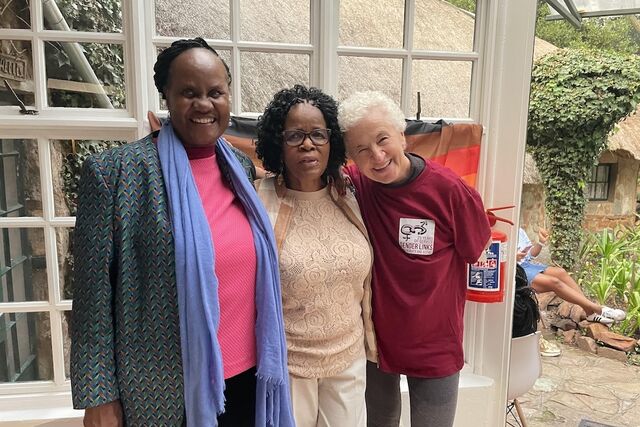
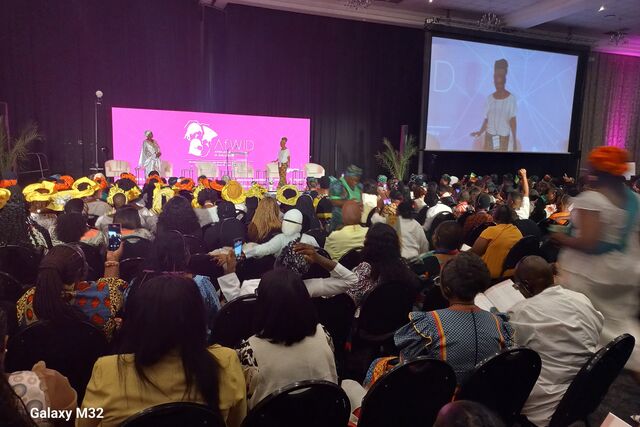
These questions go to the heart of the 2026 Southern Africa Gender Protocol Barometer chapter on Women, Peace and Security, launched by Gender Links and the Southern Africa Gender Protocol Alliance on 30 October 2026.
The launch provided an opportunity to reflect on progress across the region, examine the persistent gaps between policy commitments and women's lived realities, and consider how the Women, Peace and Security (WPS) agenda must evolve beyond 2030.
Progress on paper, but what about practice?
The findings present a sobering picture. Southern Africa records a regional Women, Peace and Security Gender Equality Score of just 34 out of 100.
Although countries have made progress in establishing policy frameworks and increasing women's representation in some institutions, meaningful participation remains a significant challenge.
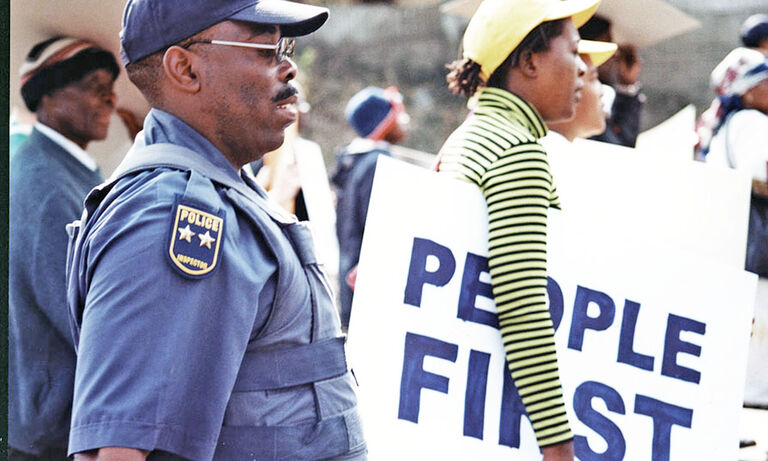
Women's representation in diplomatic services performs comparatively well, with a regional score of 64. However, the scores fall to 44 for police services, 35 for women's voices in conflict and peace reporting, 28 for defence forces, and just 15 for peace support initiatives.
These figures reveal a fundamental challenge: women's presence in institutions does not necessarily translate into influence over the decisions that shape peace and security.
Women must not only be counted in security institutions. They must have opportunities to lead, participate in mediation, influence policy, shape peace processes and hold institutions accountable.
The chapter also finds that nine SADC countries have adopted National Action Plans on Women, Peace and Security. While this represents important progress, implementation, financing and public reporting remain uneven.
The challenge is no longer simply whether governments have made commitments. It is whether those commitments are producing meaningful change in women's lives.
Peace and security extend beyond the battlefield
One of the strongest messages emerging from the chapter and its launch is the need to broaden how we understand insecurity in Southern Africa.
Armed conflict remains a serious concern, particularly for women and girls affected by violence and displacement in parts of the Democratic Republic of the Congo and Mozambique.
However, women's experiences of insecurity are not limited to situations of war.
Electoral violence, xenophobia, displacement, climate related disasters, gender based violence, political exclusion and barriers to justice can all undermine women's safety and dignity.
The launch brought these interconnected realities into focus through perspectives from the DRC, a policy discussion on xenophobia in South Africa, attention to the experiences of LGBTQI+ refugees and migrants, and regional reflections from Madagascar.
These perspectives reinforce the importance of an inclusive WPS agenda that recognises women in all their diversity, including those whose experiences are often overlooked in conventional peace and security discussions.
For migrant, refugee and asylum seeking women, the search for safety can itself expose them to new forms of insecurity. Discrimination, exclusion from essential services and hostility towards people perceived as foreign demonstrate why peace and security must also be understood through a human rights lens.
An inclusive regional agenda must respond to these realities rather than treating them as separate from peacebuilding.
Women are already building peace in their communities
Across Southern Africa, women continue to demonstrate that peacebuilding takes place not only in formal negotiations, but also in communities.
In Mozambique, 240 Women Peace Sentinels across eight districts have contributed to early warning, community mediation, violence referrals and connections to essential services. Their work demonstrates the importance of community based approaches to preventing conflict and protecting women.
In Malawi, women participating in District Peace and Unity Committees have addressed 372 disputes involving issues such as land conflicts, child marriage, trafficking and violence against women.
These examples highlight the contributions women are already making to conflict prevention and community stability.
Yet much of this work remains insufficiently recognised in formal measures of peace and security.
The region must therefore strengthen the connection between grassroots peacebuilding and national and regional decision making, ensuring that women's community leadership is supported, financed and reflected in policy.
Beyond 2030: From commitments to accountability
As Southern Africa considers the future of the SADC Protocol on Gender and Development beyond 2030, the findings of the Barometer provide an important basis for advocacy.
Article 28 of the Protocol addresses peacebuilding and conflict resolution. Its review presents an opportunity to strengthen regional commitments and ensure that the WPS agenda responds to contemporary challenges.
The Southern Africa Gender Protocol Alliance is proposing stronger provisions across six interconnected areas: participation, prevention, protection, relief and recovery, accountability, and data.
This means moving towards measurable targets for women's leadership in defence, policing, mediation and peace support operations. It also means strengthening early warning systems, protecting women affected by displacement and violence, investing in recovery, and ensuring that governments allocate resources and report on progress.
Importantly, these proposals must distinguish between representation and meaningful influence.
The number of women participating in an institution matters. But so does their authority to make decisions, influence outcomes and shape the policies that affect their communities.
The road ahead
The 2026 Barometer reminds us that progress cannot be measured by policy adoption alone.
Real progress must be visible in women's safety, leadership, access to justice, participation in peace processes and ability to influence decisions.
As the Southern Africa Gender Protocol Alliance advances its Post 2030 advocacy, the challenge is to translate the evidence into concrete commitments that governments can implement, finance and monitor.
Peace cannot be sustainable when women remain excluded from the institutions and processes responsible for protecting it.
The future of Women, Peace and Security in Southern Africa must therefore be built not only around women's presence, but around their power, protection, participation and influence.
Read the 2026 Women, Peace and Security Barometer chapter for the full findings, country evidence and proposed priorities for the Post 2030 agenda.
#VoiceandChoice #WomenPeaceSecurity #SADCGenderProtocol #Beyond2030 #GenderEquality