Cameroon: #EndTaxOnPad237 Digital advocacy and outreach campaign

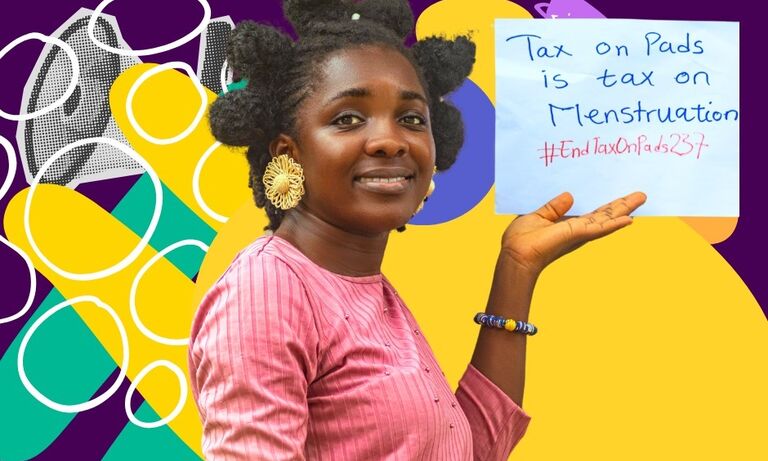
The #EndTaxOnPad237 campaign reframed menstrual health as a rights issue, mobilising young women, activists and community leaders across Cameroon to challenge taxation on sanitary pads and promote menstrual dignity.
The Cameroon #EndTaxOnPad237 advocacy and outreach campaign was led by Nkengafack Eucharia, a WOSSO Fellow working closely with youth-led organisations and community advocates. Implemented nationally through social media and community-level engagements, the campaign responded to menstrual poverty worsened by high sanitary pad costs, discriminatory taxes, and stigma surrounding menstruation. With more than half of women living below the poverty line, the unaffordability of pads fuels school absenteeism, economic dependency, psychosocial distress, and survival coping mechanisms.
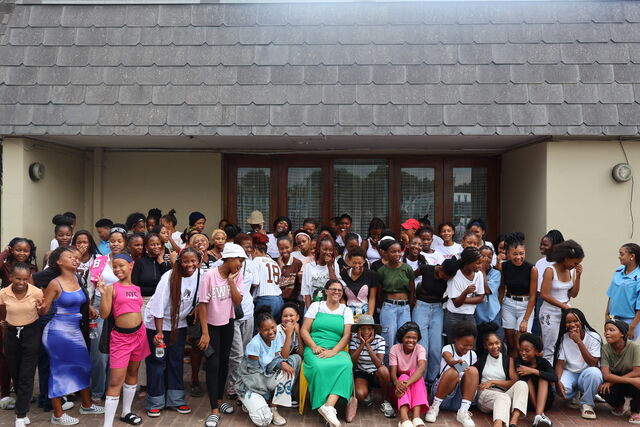
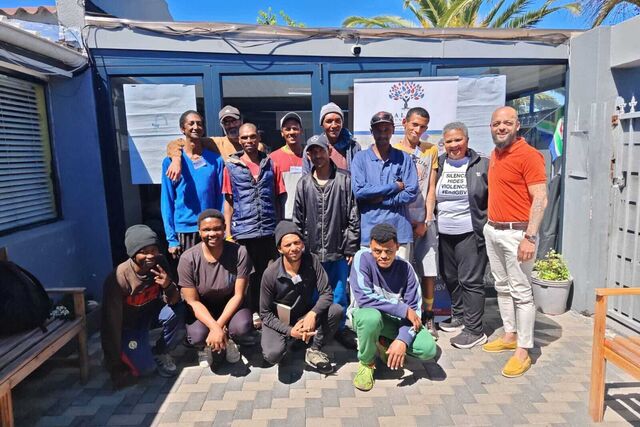
The campaign aimed to shift public narratives by positioning menstrual health as a matter of dignity and gender justice rather than a private concern. Digital advocacy—through posters, videos, blogs, messaging and an X (Twitter) chat—reached over 10,400 people and generated 500 engagements. Community dialogues brought leaders into discussion, increasing their understanding of the urgent need to waive taxes on pads. Legal consultancy was also conducted to determine the tax burden.
Before this campaign, menstrual poverty was normalised and rarely discussed publicly. Decision-makers had limited understanding of its impact, and youth voices were largely absent. Through the campaign, young women emerged as advocates, activists gained confidence, and menstrual justice became recognised as central to gender equality in Cameroon.
A key change was the recognition of menstrual health as a dignity and justice issue. Youth-led organisations joined the movement, some now developing funded projects rooted in menstrual justice. Peer educators are using the Menstrual Health Justice and Dignity Manual and a digital advocacy toolkit produced through the campaign.
The significance of this change lies in elevating menstrual justice to national attention. Leaders now acknowledge the need for tax reform, while community advocates continue to challenge stigma, share lived experiences and widen engagement. The campaign showed how combining digital advocacy with community dialogue can break silence, strengthen solidarity and drive policy momentum.
Sustainability is built into the strategy through ownership by peer educators, youth groups and emerging women leaders. Advocacy tools created during the process can be reused and adapted widely. The WOSSO Fellow also founded the Voices for Transformation Initiative, a nonprofit positioned to lead menstrual justice, GBV advocacy and broader social justice work into the future.
Quotes:
Cynthia Bih - My menstrual experience hasn’t been the best.
Mercy Cheah - It hasn’t been easy. Culture runs deep.
Lesley Shey - Youth engagement in menstrual health advocacy is crucial.