Zimbabwe: Men as allies in ending GBV

By Rita Tiriboyi
Gender Links and many other feminist organisations, including individual gender advocates, have long engaged in robust advocacy for women’s empowerment. This includes equipping women to take up leadership roles across many areas. However, it looks like the patriarchal community was not ready for these developments. The reaction to most empowerment initiatives is a severe backlash against empowered women and advocates seeking gender equality.
After seeing this article, a harsh example of backlash towards women political leaders in Zimbabwe, and many other actions of retaliation towards efforts to achieve gender equality, I paused for a while. I thought to myself: For how long can the backlash keep happening if men and women keep fighting from different angles? If we flip existing trends in Zimbabwe and Africa at large, how would life look like if men and women decided to come together and address gender issues as a team?
It seems previous advocacy attempts were interpreted as pointing to men as just as perpetrators of different forms of violence (due to patriarchal systems). This has fuelled backlash as a men’s defensive strategy. Looking at various women’s situations in my own home country and specifically in my community, women are often judged negatively for opening up about gender injustices or advocating against them. I recall a situation involving a certain female socialite who publicly confessed that she had been gang raped, but got numerous verbal lashes on social media from people who were judging her negatively, even before listening to her full story. The few advocates who tried to stand by her were also attacked.
This has led me to realise that, because of men’s egocentric nature, it is not easy to address their shortcomings without involving them. I could tell from those interactions that if just one prominent and influential man chooses to stand with women, the narrative would completely change. I think that understanding the negative masculinity traits should help advocates to consider putting men at the forefront to dismantle patriarchal culture from within and cultivate positive masculinity.
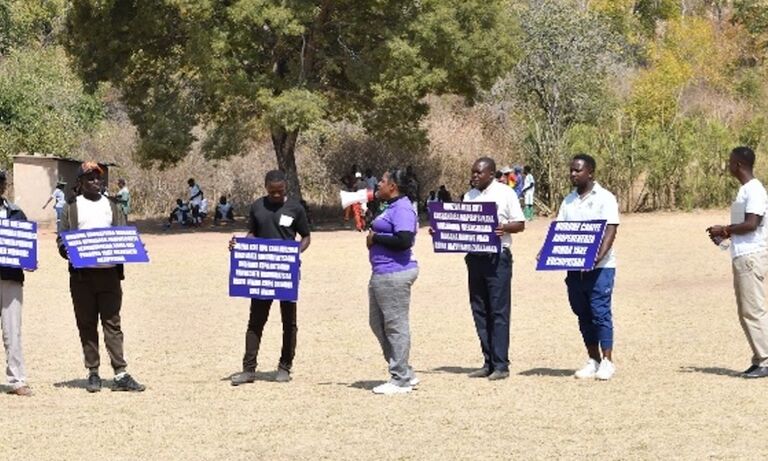
I personally draw lessons from experience about how I was quickly accepted, particularly by male gatekeepers in Bindura Rural District communities, when I rolled out my campaign for equal access to Sexual and Reproductive Health Rights services. In 2022, when I introduced my organisation to the community and mentioned that I wanted to implement women’s empowerment and gender equality programs, only the councillor attended my initial meetings. After some time, with funding from Gender Links, I introduced men’s forums through soccer competitions. The number of men began to rise to the point that by December 2024, my organisation had directly reached about 800 men with information on SRHR as basic human rights and educated them to encourage women to have access to SRHR services and information.
I noticed the zeal and excitement in many men’s faces because they felt involved and proud to be part of the change. In 2024, under my WOSSO fellowship, I went a step further and challenged men, including traditional leaders, to champion access to SRHR services and information within Bindura Rural. I was shocked at the number of calls I received from men eager to educate their peers and pose in photos and banners at the forefront of promoting access to SRHR services for themselves and their family members. This created space for discussions about how men can also be at the forefront of fighting gender inequality. A dialogue with the male local chief, village heads, and influential male champions from the Bindura community made us realise that these men genuinely want to learn more. If engaged well, they are eager to be part of the gender equality change we wish to see in the Bindura community. Men exhibited that they want to be engaged as stakeholders for change, not perpetrators.
I have reflected on the number of protocols that have been put in place to fight gender inequality, from the Beijing Declaration to the Convention on Ending All Forms of Discrimination against Women (CEDAW). What I realised is that most of these protocols focused more on the challenges women face and how to liberate women and empower them. The way they have been mostly interpreted and implemented has left men largely feeling left out and accused, leading to severe backlash.
I salute President Cyril Ramaphosa’s initiatives on positive masculinity, which he implemented as part of the African Union’s efforts to address gender-based violence and promote gender equality. His remarks at the third African men’s conference on positive masculinity are a testament to this. A closer look at this initiative shows that it encouraged men to take responsibility for challenging traditional gender stereotypes and to create safe spaces for men and women to coexist. I suggest the adoption of this model to dismantle negative patriarchal norms that impede progress being made towards achieving gender equality.
I call upon all gender advocates, activists and feminists to imagine a world where men and women sit at the same tables to fight the patriarchal system together, since it’s a system, not a person. May advocates consider and prioritise male engagement to end all forms of violence against all women and girls, from physical violence to digital violence.
#PushForward4Equality
Comments
Related news