Madagascar: ADLI supports local structures for inclusive, gender‑sensitive development

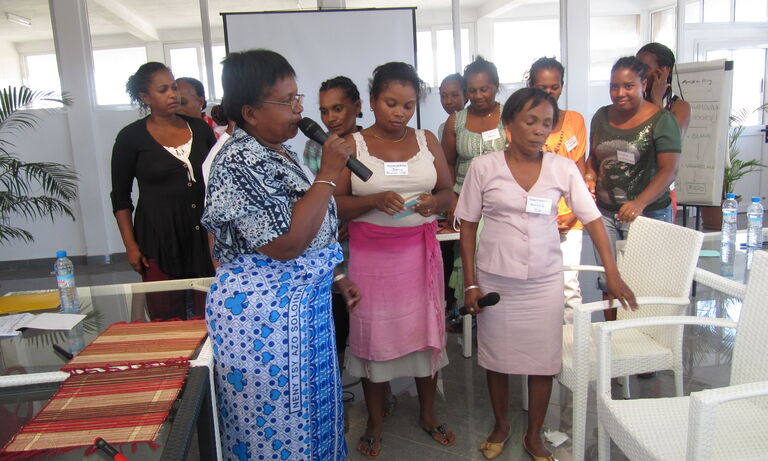
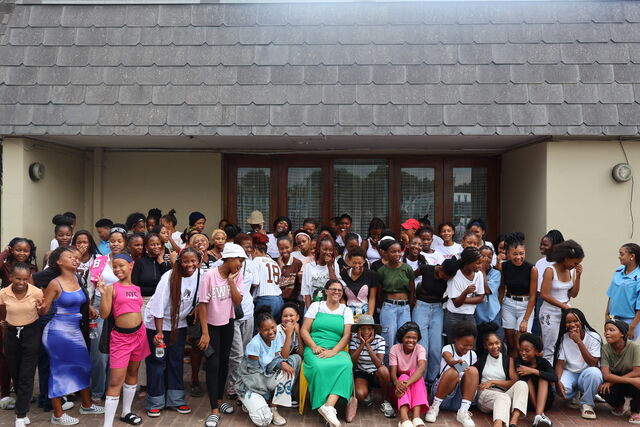
In Madagascar, ADLI has strengthened inclusive governance by operationalising local consultation structures across 262 communes. Women and young people—previously excluded from decision‑making—are now shaping development plans, influencing budgets and challenging long‑standing gender norms.
The Association pour le Développement Local Inclusif (ADLI) led a major transformation across 262 communes in Madagascar as part of the MIONJO programme, funded by the World Bank and the French Development Agency (AFD). Women, young people and especially girls had long been excluded from local governance. In many communes, patriarchal norms restricted women’s participation, limited their decision‑making influence and left their priorities invisible in development plans.
Before the intervention, women represented only 0.2% of communal council members, with almost no women mayors in the southern regions. Young girls faced early marriage, school dropout and limited access to protection structures. With no functioning local consultation structures, women and youth had no platform to express priorities or influence planning.
ADLI’s strategy focused on operationalising the Structures Locales de Concertation (SLC), establishing them across all targeted communes with at least 40% representation from women and young people. Capacity building, awareness raising and practical guides strengthened local leaders and SLC members, ensuring gender‑responsive participation.
Advocacy efforts targeted mayors and communal councils to integrate the voices of women and youth into decision‑making. The project also supported the development of inclusive planning documents—Plans de Développement Local Inclusifs et Intégrés (PDLII)—ensuring that all new plans reflect priorities such as girls’ education, prevention of early marriage and women’s economic empowerment.
Economic empowerment was another pillar, with at least 30% of communal budgets encouraged to support gender‑sensitive economic programmes. More than half of communes have now implemented gender‑responsive budgeting, improving school environments and providing income‑generation opportunities for women.
The change is visible in daily governance: SLCs now function in 100% of supported communes, women speak in public forums, and youth contribute to strategies addressing early marriage, education and community safety. Patriarchal norms are slowly shifting as women take leadership roles, influence resource allocation and claim their rightful place in shaping communal development.
This shift holds national significance. It supports Sustainable Development Goals on gender equality, inclusion and strong institutions. The movement demonstrates that inclusive local governance is not only possible but sustainable when structures are formalised and community members empowered.
Sustaining the change requires ongoing training, institutional anchoring of SLC mechanisms, gender‑responsive budgeting, documentation of good practices and advocacy for regulatory reform. With strong partnerships across civil society, communes and the state, Madagascar now has a replicable model for inclusive governance and gender‑sensitive development.
Quotes:
ANDRIAMAHASORO ANDRY - Grâce à l’accompagnement d’ADLI... notre commune inclut 40 % de femmes et de jeunes dans les décisions.
RAZAFINDRAHELIARISOA Mauriana - Avant ce projet, je n’avais aucune voix... aujourd’hui je peux exprimer les besoins des femmes.
ANDRIANANJA RIVO - Le projet m’a permis, en tant que jeune, d’être entendu pour la première fois dans ma commune.
Comments
Related Stories Of Change