Zim: Amplifying participatory advocacy for equality

| Gender Links
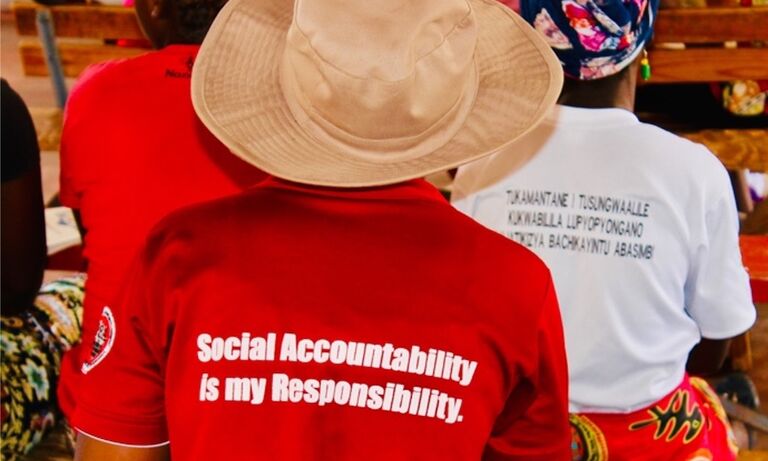
Amplifying the voices of marginalised women and girls in decision-making, meaningful participation, gender-responsive finance, and budgeting conversations is a powerful and transformative way of equalising the unequal and responding to urgent and long-term needs for women and girls, especially in rural and hard-to-reach communities.This is not just theory but a practical learning outcome for a Resilience in SRHR project implemented in Binga, a rural area bordering Zimbabwe and Zambia along the Zambezi River. When I first visited this area four years ago, I conducted a community scorecard mapping exercise with the adolescent girls and young women in the community, documenting the challenges that they are currently facing in accessing SRHR services in the health facilities and cultural hindrances to autonomy.
Entry 68377
The challenges included a lack of SRHR commodities in health facilities, long walking distances to health facilities, a lack of professional counselling services, restrictive and toxic cultural practices and the harsh effects of climate change, causing droughts, food insecurity and cascading negative effects to women and girls. My next question was, So what have you done about it? And there were no viable responses yet….From this day, we embarked on a long and enlightening journey of girl-child empowerment that included transformative capacity-building trainings, livelihood skills training, Advocacy Asks mapping, public speaking, citizen journalism, social accountability monitoring and sisterhood watch classes. We emphasised the power of active and meaningful participation in decision-making platforms at the village, district and national levels. The adolescent girls and young women were trained on evidence-based advocacy, how they can use digital literacy skills through mobile phones to document, advocate for quality SRHR services, PushForward4Equality and hold community leaders to account as public duty bearers and their responsibility for equality, inclusivity, honouring diversity and leaving no one behind.These timely technical capacity-building trainings dismantled a culture of silence against abuse, perennial passive tolerance of toxic masculinities and social injustices towards women in the mask of culture and archaic traditional practices that muzzle women’s voices. In the season that followed, the trained women and girls Gender Justice Champions became beacons of hope and powerhouses of change for their community, inspiring a wave of long-lost positive perception for the girl child.The Gender Justice Champions advocated for a Women's Youth Quarter in Village and Ward level development committees, and for the first time, it was granted. They asked for youth-friendly services at health facilities, and it was provided for in three of the four facilities.As French Philosopher Michel Foucault said, "Knowledge is power", the Gender Justice Champions participated in District and National Level budget consultation meetings with the Ministry of Finance and presented their Advocacy Asks. They were also invited to the Parliament of Zimbabwe to present their Advocacy Position to the Parliamentary Portfolio Committee on Finance, and they did exceptionally well.To date, ten of the trained young girls and women have been given farming land by community leaders to start livelihood projects responding to climate change and building resilience. The women are now selling farm produce to gain income, some have decided to further pursue education and have enrolled in technical colleges and universities as first-generation university and college students.The cost of inaction is huge…as Philosopher Edmund Burke states, "The only thing necessary for the triumph of evil is for people to do nothing’’ All the women and girls needed was someone to light a fire inside them and watch it become a flame.If I were to ask the women and girls today again, So what have you done about your situation? They would tell this inspiring and life-changing story. Sometimes fighting pushbacks, backlash, and toxic cultures needs us to be there, to provide the information, opportunities and platforms for marginalised voices to be heard. This is only one community, imagine if we could do this everywhere? How many lives will be changed?The stories of marginalised rural adolescent girls and young women need to be told, unfiltered and solution-oriented. We can be the change to #PushForward4Equality!(Article written by Brighton Musevenzo, Human Rights, Research, Strategic Evidence and Learning Expert, https://www.linkedin.com/in/brighton-musevenzo/)Comments
Related news