Southern Africa: We’ve always been here: Reclaiming Trans histories, memory and movement

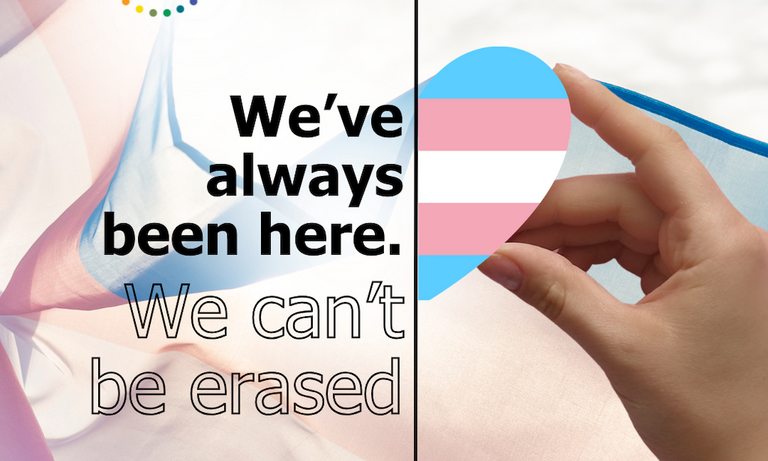
As Trans History Week 2026 unfolded under the powerful campaign theme “We’ve Always Been Here." We Can’t Be Erased,” the Marang Fund convened a regional Virtual Learning Exchange that brought together activists, organisers, and movement leaders from across Southern Africa for a deeply reflective conversation on history, identity, resistance, and community. Titled “We’ve Always Been Here: Trans Histories, Colonial Erasure, and Movement Building in Southern Africa,” the webinar served as both a continuation and expansion of conversations first held during Trans Remembrance Week in November 2025. While the earlier discussion centered on grief, violence, and survival, this dialogue intentionally shifted toward reclamation, joy, memory, and the ongoing work of building affirming futures for trans and gender-diverse communities across the region.
Moderated by AuntyBotee, the discussion featured regional voices including Hana Telvave of EkiT in Mauritius, Refilwe Sputla Mogorosi of Botswana Trans Initiative (BTI), and Tampose from The People’s Matrix in Lesotho. Together, the panelists reflected on what it means to exist authentically in societies that have often attempted to erase, silence, or delegitimise trans lives.
Reclaiming history from Colonial erasure
At the heart of the conversation was a powerful challenge to one of colonialism’s most enduring myths: the idea that trans and queer identities are “un-African.” Throughout the webinar, panelists repeatedly affirmed that trans people have always existed across African societies, long before colonial borders, imported laws, and missionary ideologies attempted to erase or suppress indigenous understandings of gender diversity. Hana reflected on how colonial influence in Mauritius disrupted cultural understandings of gender and erased historical roles that gender-diverse people once occupied within communities, including caregiving and communal support systems. She spoke about the importance of decolonising language and reclaiming narratives that affirm trans existence and dignity.
Similarly, Tampose and Sputla reflected on how colonial systems imposed rigid binaries that replaced more fluid and community-based understandings of identity that once existed across African cultures. The discussion highlighted how these imported systems continue to shape violence, exclusion, and social stigma today. Yet despite these attempts at erasure, the conversation repeatedly returned to one central truth: trans communities continue to exist, organise, heal, and lead.
Beyond survival: Trans joy, healing, and community
A defining strength of the conversation was its refusal to center trans existence solely through trauma. Instead, the panelists spoke powerfully about joy, affirmation, chosen family, and the importance of safe community spaces. They reflected on how healing often begins in moments where trans people are finally able to exist without explanation, fear, or apology.
For Sputla, one of the most transformative moments in his journey was meeting people who shared similar lived experiences and identities. That moment of recognition helped him understand that he did not have to shrink himself to fit into spaces that misunderstood him.
Tampose reflected on the importance of intentionally choosing peace and joy despite systems that often seek to define trans lives only through hardship. He spoke about how community, storytelling, and chosen family create spaces where trans people are able to live fully and authentically.
Hana similarly emphasised the role of storytelling and visibility in transforming public perception and building dignity for trans communities in Mauritius. Through advocacy, creative work, and movement organising, she highlighted how trans people are reshaping narratives about themselves and refusing to be reduced to stereotypes or tokenistic representation. Collectively, the panelists reminded participants that trans joy is political. Healing is political. Existing authentically is political.
Building Trans-Led futures
The conversation also explored what meaningful inclusion and movement-building truly look like. Rather than calling for symbolic visibility, the panelists spoke about the importance of trans people being recognised as leaders, decision-makers, knowledge holders, and architects of their own futures. Hana stressed the need to move beyond tokenism and toward systems where trans communities are trusted to lead, organise, and shape policies affecting their lives. Discussions around care-centered organising, burnout, and sustainability also emerged as key themes, particularly in relation to how movements can build structures that prioritise people over systems. The webinar highlighted that community care is not separate from activism; it is part of movement-building itself.
The conversation further reflected on recent legal developments in Botswana, including the repeal of discriminatory colonial-era laws targeting queer communities. While acknowledging these gains as important milestones, Sputla emphasised that legal reform alone is not enough without broader social inclusion, protection, and systemic change.
“We Can’t Be Erased Because We Exist”
As the session drew to a close, the panelists reflected on the importance of intergenerational organising, storytelling, and ensuring that younger trans people inherit communities where they are affirmed rather than erased. Perhaps the most powerful reminder from the discussion was also the simplest: Trans people do not need to prove their existence. Their histories, communities, relationships, resistance, and dreams already exist across Africa.
The work now is to continue reclaiming those histories, protecting those communities, and building futures where trans people are not merely included symbolically but are fully recognised, resourced, protected, and empowered. Because trans people have always been here. And they cannot be erased.
Beyond Trans History Week: Continuing the work
While Trans History Week offers an important moment for reflection and visibility, the conversation made clear that this work cannot begin and end within a single campaign period. The histories, realities, and futures of trans and gender-diverse people remain deeply connected to broader struggles for justice, dignity, safety, and collective liberation across the region.
As the Marang Fund continues to work alongside grantee partners and regional movements, conversations such as this Virtual Learning Exchange form part of a larger commitment to strengthening trans-led advocacy, care-centered organising, intergenerational learning, and movement solidarity across Southern Africa. The discussion reaffirmed the importance of creating spaces where trans communities are not only represented but also trusted as leaders, storytellers, strategists, and knowledge holders shaping the future of queer organising on the continent.
Moving forward, the hope is that these conversations continue to deepen regional collaboration, strengthen community care networks, and contribute to a growing archive of trans-African histories and lived realities that refuse erasure.
Because this work is not only about remembering the past.
It is about protecting the present and building freer futures.
Comments
Related news