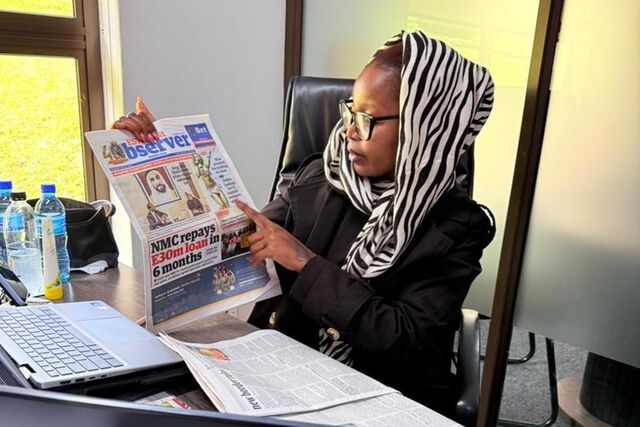
Southern Africa: The law is written. The stories are not.

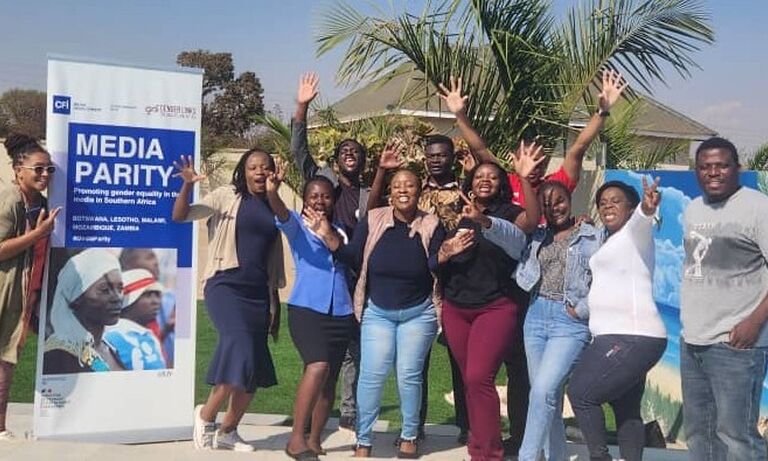
Cape Town, 8 September 2026: The laws exist. Across Southern Africa, governments have adopted legislation and policies intended to prevent gender-based violence, protect survivors and hold perpetrators accountable. Yet many women who experience violence never seek help.
This reality raises an important question: if the laws are in place, why do so many women remain silent? Part of the answer lies beyond legislation, courtrooms and policy documents. It lies in the stories societies tell, the voices people hear and the experiences they recognise as their own.
For more than two decades, Gender Links has built a remarkable foundation for advancing gender equality through the media. The organisation's media programme has established Centres of Excellence in media houses and journalism schools across the Southern African Development Community (SADC) region. It has conducted extensive gender and media research and supported media literacy initiatives across multiple countries. At the same time, monitoring continues to show that women remain under-represented in media coverage.
These achievements have created something more than a network of journalists and researchers. They have created a community of people uniquely positioned to tell stories that still need to be heard.
The SADC Protocol on Gender and Development contains clear commitments. It calls on governments to prohibit all forms of gender-based violence, combat sexual harassment, strengthen services for survivors, train justice and health professionals, prevent child marriage and address trafficking.
Yet regional data shows that in many SADC countries, more than half of women and girls who experience violence never seek formal help. Among those who do, many turn first to family members or neighbours rather than official services.
The existence of laws alone does not guarantee that people will use them.Practical barriers certainly matter. Courts may be under-resourced. Police stations may lack privacy. Health services may be difficult or expensive to reach. However, there is another challenge that receives less attention: whether women believe they will be heard, believed and treated with dignity when they come forward.
Changing that belief requires more than drafting legislation. It requires changing how society understands women's experiences. Stories have a unique ability to help people see the world through someone else's eyes.A legal document tells us what should happen. A story helps us understand what actually happens.
A court statement focuses on evidence. A monitoring report focuses on indicators and statistics. Both are essential. Yet neither can fully capture the everyday realities that shape a woman's decisions: the advice from relatives, concern for children, financial pressures, fear of community judgement or the moment she decides enough is enough.
These details matter because they create recognition.When a woman recognises her own experience in another person's story, she may begin to understand that what happened to her has a name, that others have lived through similar experiences and that support or legal remedies may be available.
This is why Gender Links' I Stories are so important. They allow survivors to tell their own stories in their own words rather than through the voice of a researcher, journalist or institution.
Journalists spend their careers documenting injustice. They sit in courtrooms, conduct interviews, analyse reports and witness how systems succeed or fail. Yet reporting has limitations.
A news story often requires a named source, an official comment or documentary evidence. When a survivor cannot continue participating in the process, an important story may disappear from public view.
This is where fiction can play an important role. Fiction is not a substitute for facts. Instead, it provides a way to explore realities that many journalists understand deeply from years of reporting. Writers can capture experiences, emotions and social dynamics that statistics alone cannot communicate.
Many journalists already possess the research, knowledge and insight needed to write these stories. The challenge is simply to begin. No single novel, memoir or personal story will end gender-based violence. No piece of fiction can replace policy reform, survivor services or effective law enforcement.
However, stories can influence how people think about those issues. They can encourage empathy, challenge assumptions and create space for conversations that would otherwise never happen.
Most importantly, stories can ensure that women are not only the subjects of research and policy discussions, but also the authors of their own narratives. The legal frameworks are already written. The regional commitments exist. The institutions continue to evolve.
What Southern Africa still needs are more stories. Stories that are specific, honest and rooted in lived experience. Stories that move beyond generalities and show what gender justice looks like in real lives, communities and families.
The invitation is simple: write the first words. Tell the story. Share the experience. The law is already written. The stories are still waiting to be told.
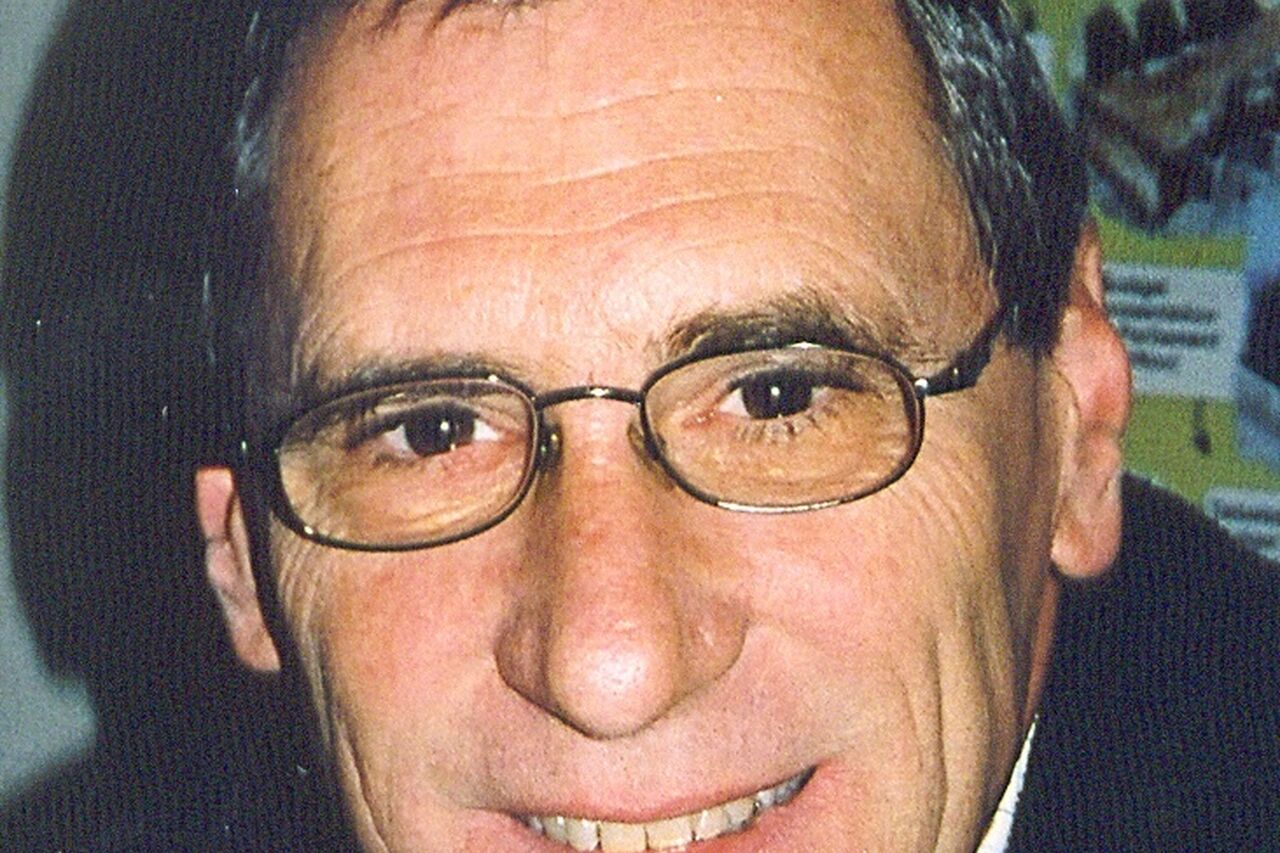
(Trevor Davies is a writer and photographer who lives between the north of England and Cape Town. He is a long-standing contributor to Gender Links. His novel Red Dress was published in September 2026, and he is currently completing The Archivist, a novel set in Rhodesia and Zimbabwe between 1968 and the present.)