Southern Africa: Evidence must change whose voices shape the news

Johannesburg, 17 August 2026: More women are reporting and presenting the news, yet they are still not equally heard in it. This contradiction is more than a statistic. It shows why newsroom diversity must be matched by deliberate changes in sourcing, safety, leadership and editorial practice.
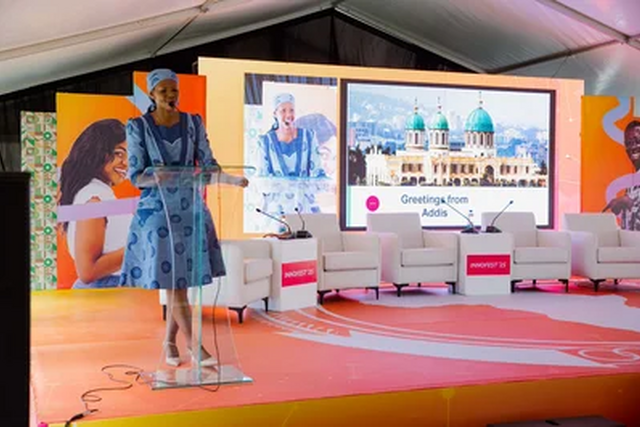
The regional launch of the Gender and Media Progress Study (GMPS) 2026 placed that challenge at the centre of the discussion. Women now constitute 42% of reporters, but account for only 29% of news sources. The evidence points to progress, while exposing the power structures and everyday decisions that continue to limit whose knowledge shapes the news.
Participants reflected on changes since the first GMPS in 2003. They recognised more women in newsrooms and leadership, wider coverage of gender issues and less blatant stereotyping. However, they described progress as slow and uneven.
The conversation has also moved beyond visibility. Representation must be accurate, dignified and safe. Social media and citizen journalism have widened participation, but digital platforms, artificial intelligence and misinformation have introduced new risks. Online backlash and technology-facilitated violence can silence women even as digital media creates new opportunities for them to speak.
Women journalists face a growing “cyber ceiling”. Research cited at the launch found that 75% of women journalists surveyed in South Africa identified cyberbullying as a barrier to progress, compared with 30% in 2018. Sexual harassment inside newsrooms presents another barrier, particularly for younger women trying to remain and advance in journalism.
Individual journalists cannot transform media systems alone. Media ownership, institutional values, hiring, assignments and sourcing practices all influence what becomes news and whose voices are treated as authoritative.
A reporter may return from training ready to apply a gender lens, yet still face an editor who favours familiar official voices or a production system driven by speed. Gender-responsive journalism therefore requires editors, managers, sub-editors, photographers and media owners to share responsibility for change.
Participants identified gender awareness and gender-responsive editorial decision-making as leading priorities. They also called for stronger interviewing, listening, research, verification, visual storytelling, inclusive language and digital safety skills. Continuous learning should reach the whole media chain rather than depend on one-off training for individual reporters.
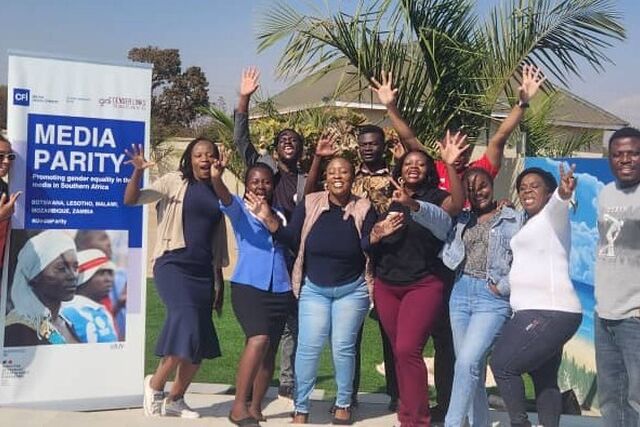
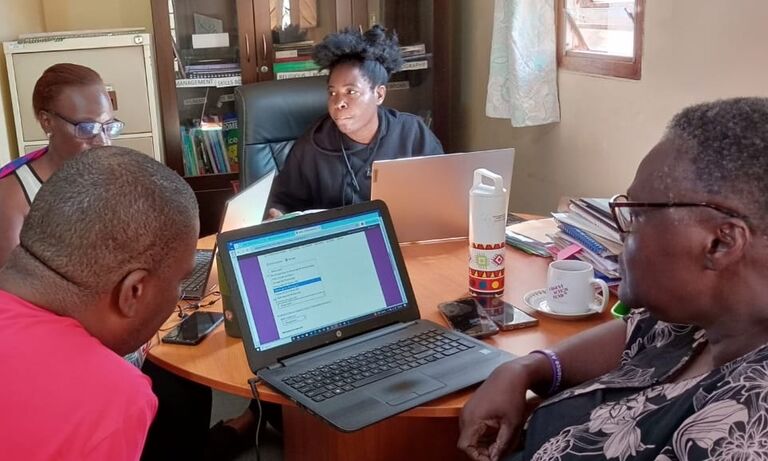
The launch also showed what happens when training connects directly with newsroom practice. Through the Gender Links and CFI Media Parity programme, journalists from 22 media outlets in five countries received gender-aware reporting training and mentorship, producing 303 stories.
The results demonstrate the value of intentional sourcing. Women accounted for 82% of sources in business stories and 66% in politics and governance, far above their representation in routine news coverage. Real-time editorial guidance, source-balancing tools, research and verification helped journalists apply gender analysis directly to their work.
The GMPS also exposed major gaps in coverage of lesbian, gay, bisexual, transgender, intersex and queer issues. Only seven of the 2,060 monitored items focused on LGBTIQ issues. The Marang Fund media programme responds by bringing activists and community members into training and encouraging journalism that presents people as agents of their own narratives.
Specialist media offered practical lessons for mainstream newsrooms: build relationships with communities before a crisis, ask rather than assume and continue following stories after the immediate news cycle ends. Inclusive journalism begins with listening.
Participants proposed a practical agenda for newsrooms. Make diverse sourcing an editorial requirement. Use first-hand and lived-experience voices. Review or reactivate gender and media policies. Train every level of the media system. Create safer physical and digital workplaces. Review coverage regularly and sustain relationships with communities.
These actions belong in daily news meetings, assignments, interviews, headlines, photographs and editing decisions. They should not remain commitments made only at launches or training sessions.
The GMPS provides the evidence. Gender Links programmes show that change is possible when training is sustained by mentorship, policy and editorial leadership. The next step is to make inclusive practice routine.
More women in newsrooms is progress. Equality depends on whose voices shape the news. Newsrooms now have both the evidence and a practical agenda. It is time to act on them.
Explore the GMPS 2026 regional and country findings
Join the conversation: #WhoseNewsWhoseViews
(Deborah Walter is a communications specialist who managed the Media Parity project)
Comments
Related news