Namibia: Wrong Generation - a landmark film inspired by #ShutItAllDown

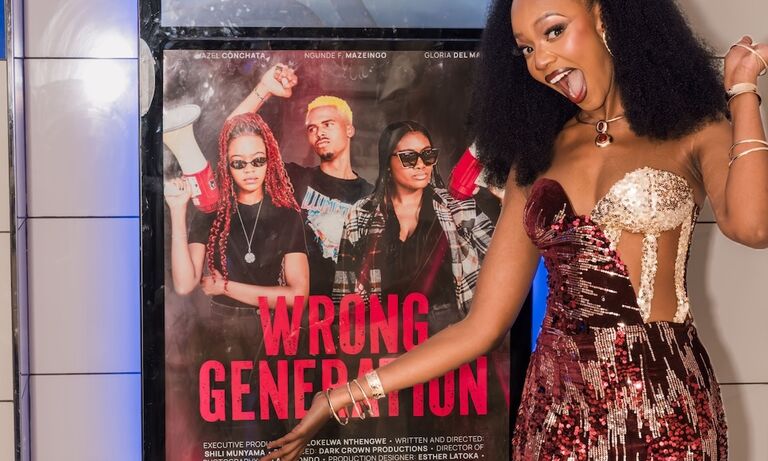
On the night of the premiere, I remember standing in the foyer of Ster-Kinekor Grove Mall and feeling something I hadn’t felt in a very long time; a quiet, grounded kind of awe. Not the adrenaline of protest, not the survival mode of organising, not the numbness of grief, but awe. Awe at the fact that a story born out of pain, loss and relentless work had found its way onto a Namibian big screen, in a country that has only two cinemas.
Wrong Generation began as grief and anger, as dreams of crowds and placards long before I knew what the movement would be called. It began with Shannon’s name carrying across timelines and news bulletins, with #ShutItAllDown forcing a conversation Namibia had never had so publicly before. It began with a younger version of me, Nyuma, navigating workplace violations she did not yet know how to name. To stand in front of that screen and know that all those threads had been woven into a film, and not just a film, but a landmark independent production, felt like my private history and our collective history were finally being held in one frame.
Inside the cinema, every one of the 112 seats was taken. Filmmakers, activists, civil society leaders, government representatives, journalists, friends, strangers: all of us in the dark, waiting for the first frame to hit. The cinema was not just full; it felt dense, charged. There was something almost defiant about that fullness. In a country where cinema-going is not an ordinary, everyday habit, where access to screens is limited to two locations, a full house is more than a logistical achievement. It is a statement that stories like ours are not niche, not fringe, not “too activist”, not “too local” to fill a room.
For me, that night was about proof. Proof that Namibia can produce work that is deeply rooted in our realities and still capable of speaking to a broader world. Proof that an almost entirely Namibian cast and crew can hold a project of this scale and execute it with care, rigour and imagination. Proof that independent film, unsupported by large studio systems, can still claim space on commercial screens for more than a single token night.
The two-week extended cinema run, shared between Grove Mall and Maerua Mall, matters profoundly in that context. A premiere can be dismissed as a once-off event, a moment of hype. A sustained run – where audiences can return, bring friends, argue over scenes in WhatsApp groups and on street corners – begins to create a culture. It pushes the film from “special occasion” into something closer to habit, even in a landscape as restricted as ours. With only two cinemas, each additional day on screen is an act of insistence: this story deserves time; this conversation deserves repetition.
Thinking about the future of African cinema from that vantage point, in that specific geography, I feel both the weight of limitation and the spark of possibility. Two cinemas are a constraint, yes, but they are also a reminder to be inventive. African cinema in Namibia cannot rely purely on traditional distribution models. It will live in those two rooms, but it will also live in community halls, university lecture theatres, pop-up screenings, streaming platforms, and on the devices of young people who may never sit in a formal cinema seat.
If Wrong Generation represents anything about that future, I hope it signals that African cinema need not apologise for being political, intimate, grieving or resistant. The Deputy Minister spoke about film as both culture and industry, and that duality is where I see our path. We need the sector treated as a strategic priority – policy, funding, infrastructure, training, and distribution that recognises film as a site of job creation and nation-building. But we also need to protect the soul of the work: stories that dare to look directly at patriarchy, gender-based violence and systemic failure without turning away; stories that centre young, queer, feminist, marginalised voices not as side characters, but as architects.
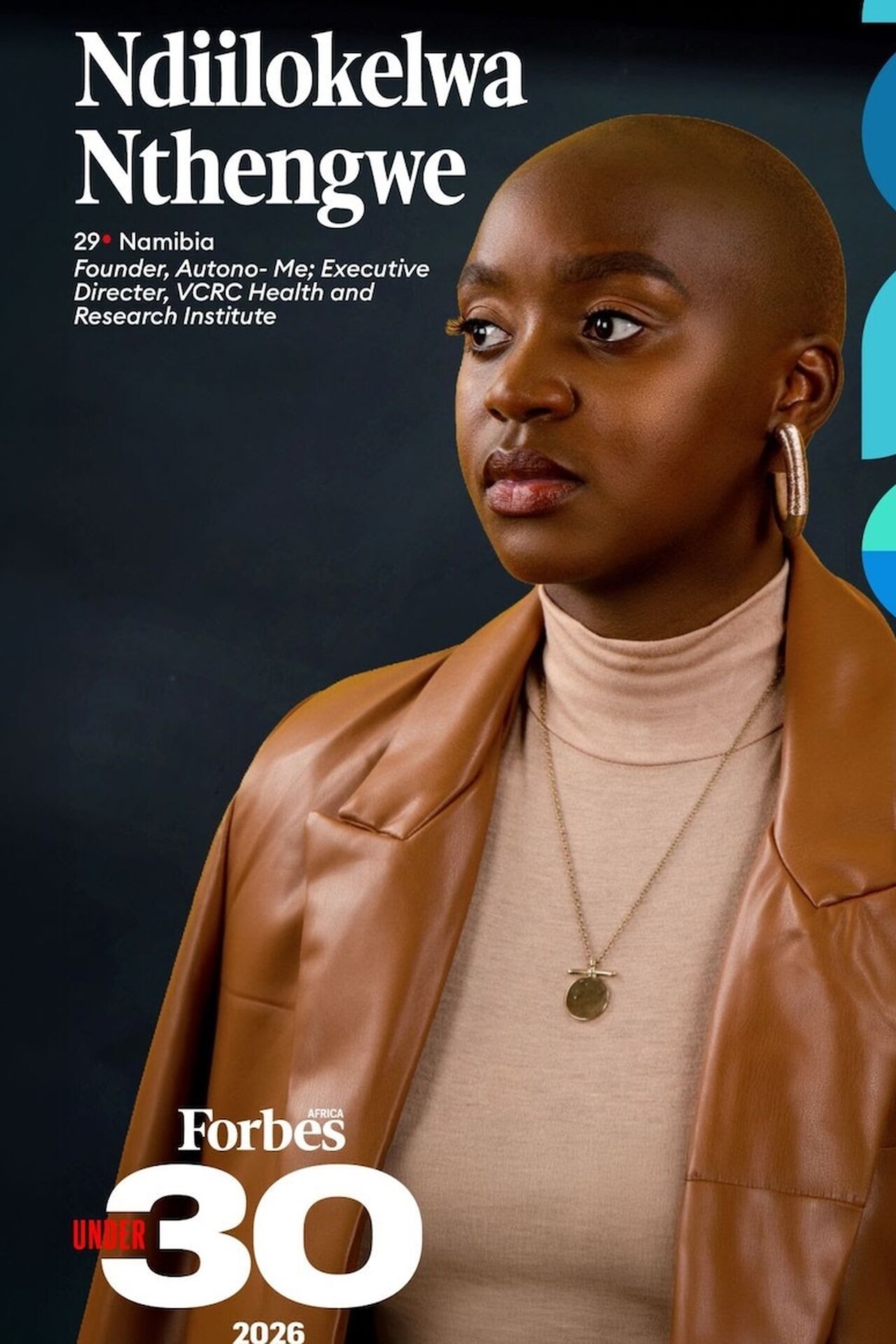
On a personal level, that night was also a collision of timelines. Around the same period, I received recognition on the Forbes Africa 30 Under 30 list for social impact and research. Seeing my name there, and then seeing my name on the screen as Executive Producer, felt like two different worlds acknowledging the same truth: that the work of activism, writing, and now filmmaking are not separate silos but different languages in the same conversation. The certificate is an external affirmation, yes, but the real validation for me came from watching a packed room breathe with the film, flinch, laugh, fall silent, and stay to talk afterwards.
What mattered most was not that I was being recognised “out there”, but that, right here at home, survivors, activists, creatives, students, parents and policymakers were sharing an experience that grew out of our own wounds and courage. Forbes can measure impact in certain ways; a full cinema of 112 people sitting with a story about loss, love and friendship measures it in another.
When I think about what the night actually meant, I return to the phrase I used in my speech: connecting our healing. Wrong Generation is not a cure; it is an offering. It does not fix gender-based violence, workplace harassment or the impunity that enabled both. But it does something quieter and, in some ways, just as radical: it says that our pain belongs on screen, that our resistance is cinematic, that our friendships are worthy of archiving.
As the lights dimmed and the film began, I could feel the presence of the people whose names shaped this journey: Shannon, Nyuma, Nina, and the countless women, girls and gender-diverse persons whose stories never made it to a headline. That night, in a single room with 112 seats, in a country with only two cinemas, our stories were seen. For African cinema in Namibia, that is not the endpoint. It is a beginning.
(Written by Ndiilokelwa Nthengwe, VCRC, Marang Fund Grantee Partner - Namibia)