Mozambique: A pobreza e abandono paterno como forma de violencia de genero

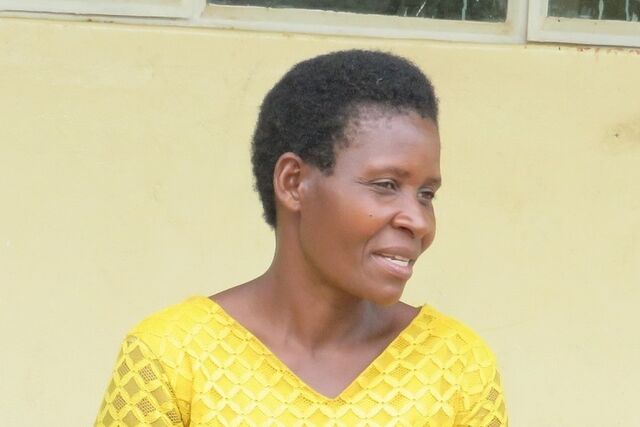
The article examines how extreme poverty and paternal abandonment operate as forms of gender-based violence against young women in Mozambique. Through the lived experience of Ana, a 22-year-old single mother, the story shows how hunger, lack of economic support and absent fathers expose women and girls to exploitation, trauma and long-term vulnerability.
Ana’s account illustrates how poverty pushed her into transactional sexual relationships during adolescence, interrupted her education, and later left her to raise a child without support from the child’s father. The article highlights how abandonment, humiliation and food insecurity compound the physical and emotional burden on young mothers, often forcing them into survival strategies that are neither free nor safe choices.
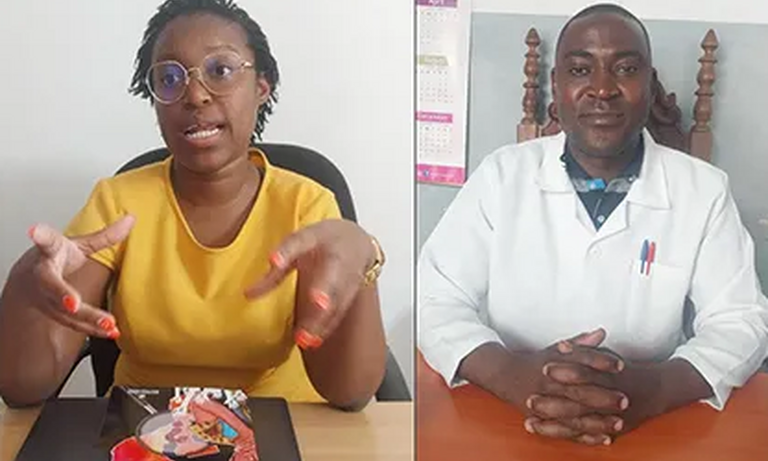
Psychologists and gender rights activists interviewed situate Ana’s story within the broader feminization of poverty in Mozambique. They argue that structural inequality, limited access to education and social protection, and the normalization of male abandonment trap women in cycles of dependence and exploitation, underscoring the need for systemic responses rather than individual blame.
LINK TO PUBLISHED STORY
Written by Helena Madanca. This article, first published by Savana, is part of the Media Parity Capacity Building Programme and republished as part of the programme series.
Comments
Related news