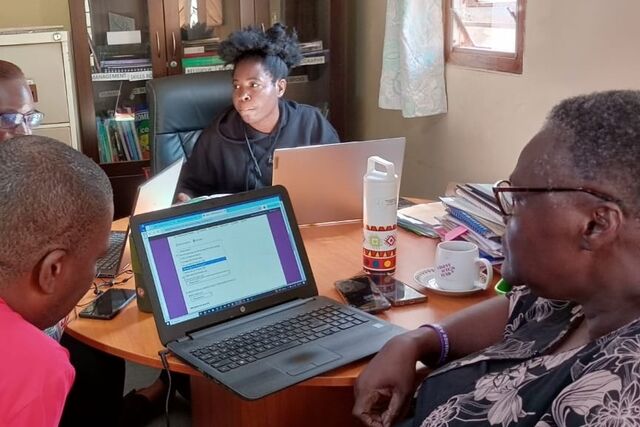
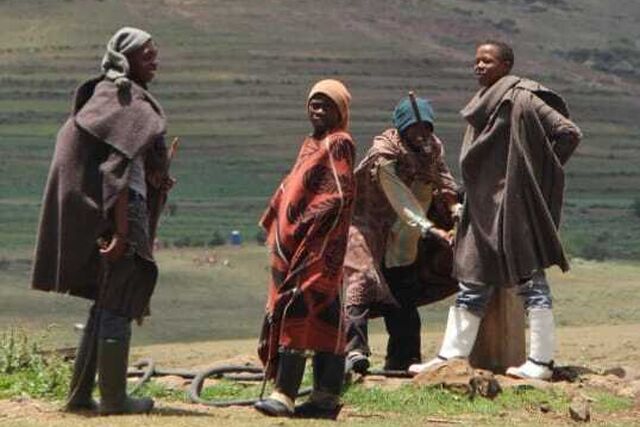
Lesotho: The lives of Basotho domestic workers at home and abroad

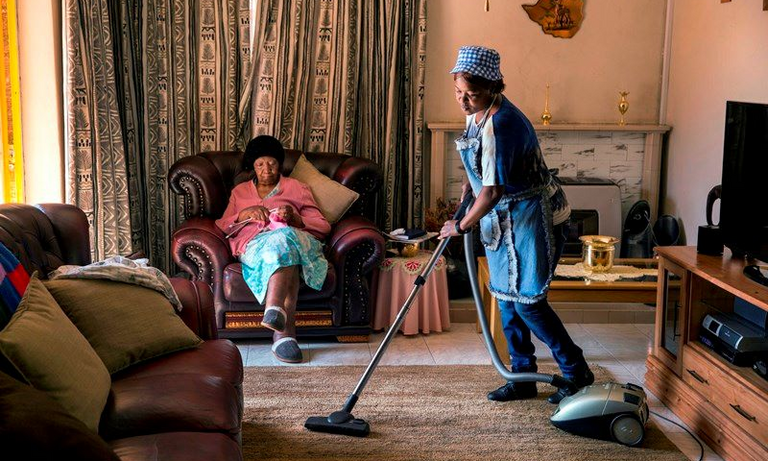
The article examines the lived realities of Basotho domestic workers in Lesotho and South Africa, focusing on how domestic work sustains families while exposing women to insecurity, low pay, and abuse. It shows how unemployment, economic shocks, and limited rural opportunities push women into informal domestic work as a survival strategy, both locally and across borders.
Through testimonies from domestic workers and insights from labour advocates, lawyers, and migrant worker organisations, the story highlights common challenges such as verbal agreements instead of contracts, long working hours, lack of rest, exposure to sexual abuse, and fear of dismissal or deportation for migrant workers. Weak enforcement of labour laws and informal recruitment systems deepen vulnerability.
The article explains why domestic work matters to Lesotho’s economy and social fabric. Women’s earnings and remittances support households, education, and food security, yet the sector remains undervalued and poorly regulated. The story calls for formalisation, professionalisation, stronger enforcement of labour laws, and recognition of domestic workers’ dignity and rights.
LINK TO PUBLISHED STORY
https://www.lena.gov.ls/invisible-work-keeps-lesothos-families-afloat/
This article, first published by Lesotho News Agency, is part of the Media Parity Capacity Building and republished as part of the programme series.
Comments
Related news