Lesotho: Exploitation of women during weeding season

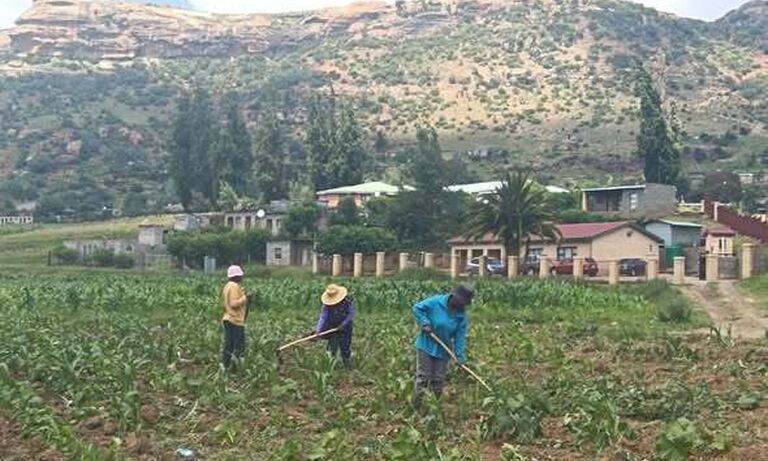
The article examines the exploitation and economic vulnerability of women employed in seasonal field weeding work in Lesotho. It explains how traditional communal labor practices have been replaced by paid pieces of work, yet wages for weeding remain unregulated and extremely low compared to other sectors.
Women workers interviewed describe earning between M50 and M60 per day for long early-morning shifts, an amount that is insufficient to meet basic household needs amid rising food prices and harsh weather conditions. Irregular or delayed payment further deepens hardship, often forcing families to borrow money or buy food on credit. Several sources highlight that women carry the greatest burden, as they are primarily responsible for feeding children and managing daily household needs.
The story presents differing views from workers, field owners, and labor authorities on whether wages should be regulated. While workers and some community members argue that regulation would promote decent work and protect rights, some landowners resist formal controls. The Labor Commissioner indicates that government efforts to strengthen labor inspections could eventually extend protection to agricultural workers, offering hope for improved conditions.
Written by Makhaba Masekonyela. This article, first published by Lesotho News Agency, is part of the Media Parity Capacity Building Programme and republished as part of the programme series.
Comments
Related news