G20: The Unspoken crisis of the Y20

Every year, young leaders from across the world gather under the Y20 banner with a shared mission: to shape bold, innovative, and inclusive policies that G20 leaders can adopt for a more just and sustainable world. Yet year after year, despite the passion, dedication, and brilliance poured into these recommendations, the outcome remains painfully unchanged. Most Y20 policies are never implemented. They are heard, acknowledged for a moment, and then quietly set aside as the global machinery continues without them.
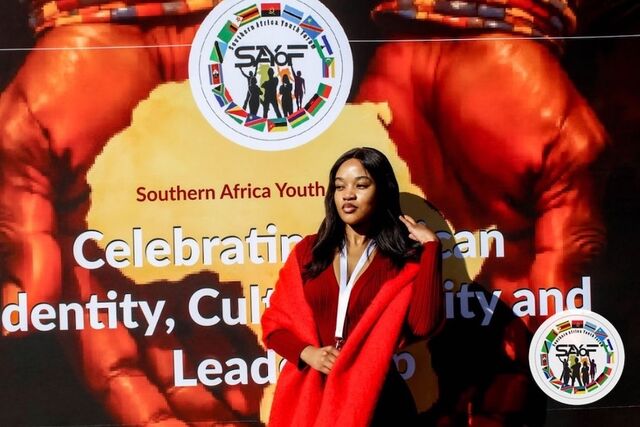
After attending a Y20 side event during the G20 myself, this reality felt even heavier. The room was filled with powerful energy, young people speaking with urgency, rage, hope, and deep clarity. They raised vital issues around climate justice, GBV, SRHR, youth employment, digital governance, equity, and global inequality. What stood out most was their refusal to be silent. This generation differs from past generations of youth, who were expected to nod politely and accept their limited space. Today’s youth challenge, question, and demand change. They refuse to be tokenised or reduced to symbolic participation.
Yet the system continues to fail them.
At the core of the problem lies a structural imbalance. The Y20 is a platform for ideas, but not for decision-making. Young people can propose policies, debate them passionately, draft communiqués, and present evidence-based solutions, but they cannot enforce implementation. The G20 holds the power, while the youth hold the urgency, and these two realities rarely meet. The result is a cycle in which youth recommendations become beautifully written documents with little impact on global decision-making.
Over the years, several transformative Y20 proposals have been rejected outright or shelved without implementation.
Young leaders have repeatedly called for the establishment of a permanent Y20 council to institutionalise youth participation and track how the use of recommendations. This proposal, one of the most important for accountability, has been rejected despite being raised multiple times. Another consistent ask has been to create of a Global Youth Fund to support and scale youth-led initiatives, particularly in the Global South. This too has never materialised. The idea of having youth representatives at the G20 Sherpa level, a change that would allow youth voices to influence negotiations before decisions are finalised, has also been dismissed repeatedly. Even youth-driven proposals on critical issues like climate finance, strong AI governance, digital rights, and progressive tax reform have not been adopted in any meaningful way.
These failures raise an uncomfortable question: why have a Y20 if none of its policies are taken seriously? The answer is both political and symbolic. Governments recognise the importance of being seen to consult youth. It is good optics. It signals inclusivity and progressiveness. But listening without action is not inclusion; it is performance. The Y20 becomes a space where youth voices are showcased, photographed, and applauded, but rarely integrated into real policy. This may serve the G20’s image, but it does nothing for the millions of young people whose lives are shaped by global decisions made without them.
During the side event I attended, young people spoke with honesty and courage. They made it clear that they are tired of being invited into rooms only to be ignored. Their words carried both frustration and determination. Many expressed that young people are not just the future, they are the present. They are already leading movements, building solutions, creating technologies, driving activism, and pushing for justice in ways older generations never imagined. They are the backbone of societies everywhere: the workforce, the innovators, the caregivers, the creatives, and the voters. And they are no longer willing to sit quietly while decisions that affect their lives are made without their participation.
If the G20 continues to dismiss youth recommendations, young people will eventually be left with only one option: to make noise loud enough that the world cannot ignore them. This generation does not wait for permission. They speak. They challenge. They demand. We see this in the streets of Tanzania, where young people have risen to challenge unemployment, governance issues, and shrinking civic space. We see it in Nepal, where youth-led protests have erupted against corruption, inequality, and political stagnation. And we see it in many other countries, Kenya, Sri Lanka, Nigeria, India, where young people are mobilising, demanding transparency, and pushing back against systems that exclude them. They understand that meaningful change has never come from quiet agreement; it comes from bold voices, collective pressure, and persistent action. This generation is proving everywhere that when decision-makers refuse to listen, young people will not hesitate to shake the ground beneath them.
The Y20 can become a meaningful platform, but only if the G20 treats youth policy recommendations as essential rather than optional. Young people have already done the work. They have drafted solutions, shared evidence, and contributed lived experiences shaped by the deepest impacts of global inequality. What they need now is for the world’s most powerful leaders to step up, to listen, to act, and to recognise that young people are not an accessory to global leadership. They are its driving force.
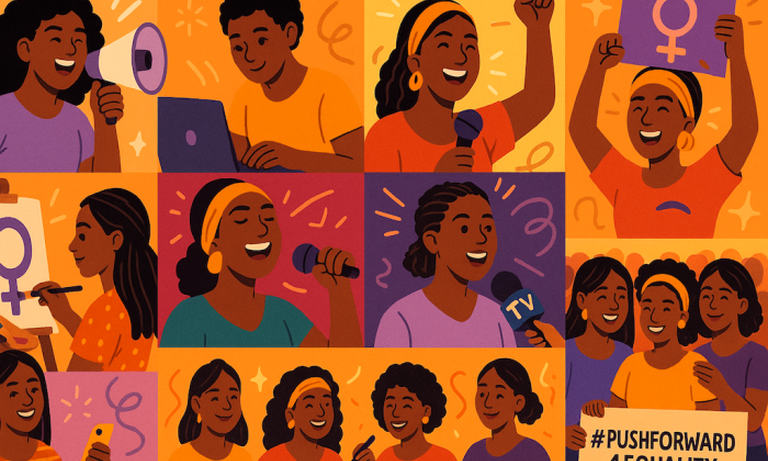
If G20 leaders fail to understand this, young people will show them. The world is changing, and so is the youth. They are ready, they are loud, and they will make themselves heard whether the system is ready for them or not. And as they rise, they will continue to Push Forward for Equality, justice, and a world where youth voices are not only heard but also respected and acted on.
Comments
Related news