South Africa: Gen Z disruption – too loud for W20

By Carren Liandol
They call us the Disruptive Generation, as if passion, innovation, and courage are crimes. At the Women 20 (W20) Summit in South Africa, a space meant to shape the future for all women, young voices were few, and when heard, often dismissed as too loud or too bold. But disruption is not destruction, it’s evolution.
Gen Z stands at the frontline of new realities: digital transformation, climate crises, mental health struggles, and shifting gender norms. We live the change others discuss in conference halls. Our ideas are not noise; they are the rhythm of progress. So, if believing in equality, inclusion, and innovation makes us disruptive, then maybe disruption is precisely what the W20 needs.
Technology is best when it brings people together, not when it leaves them behind. As the world accelerates into the digital era of the 25th century, we cannot dismiss the reality that young people live and breathe this age every day. At the W20 2025 Summit, many youth participants felt specific topics, especially around technology, were overlooked or superficially addressed.
Unlike previous generations, young people directly experience both the opportunities and challenges of this digital world. While technology can bring risks, it offers immense potential if approached with guidance, literacy, and innovation. Instead of sidelining these conversations, particularly around the use of AI, why not work with it, feeding AI with information aligned to a country or region’s laws and values? Through such collaboration, technology can be tailored to serve local realities while empowering youth, ignoring the present generation’s understanding risks leaving critical insights and future-ready policies untapped.
Sometimes, the small things we overlook carry the biggest impact—like name-calling. Labelling young participants as the “Disruptive Generation” at a platform like the W20 sends the wrong message. These spaces are meant to inspire, connect, and empower, not silence or intimidate. There are far better ways to address concerns about youth contribution than dismissive labels. When young people fear being judged or branded as “disruptive,” how can they freely network, collaborate, or form meaningful partnerships? Even more, influential decision-makers may distance themselves from vocal youth, missing out on fresh perspectives. Advocating for AI, climate change, Gender-Based Violence and Femicide, mental health, and other pressing issues is not disruption; it’s leadership. And in today’s world, leadership should be celebrated, not stigmatised.
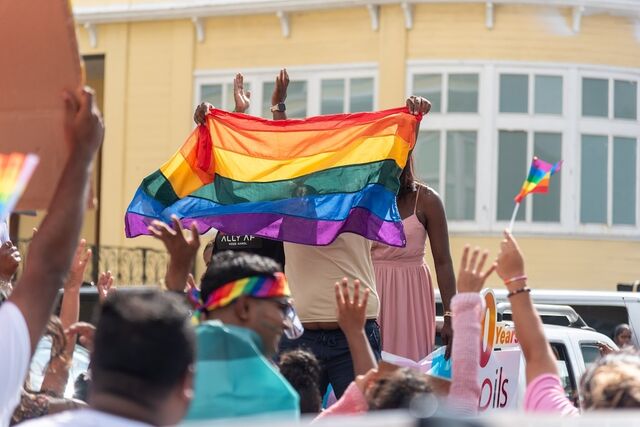
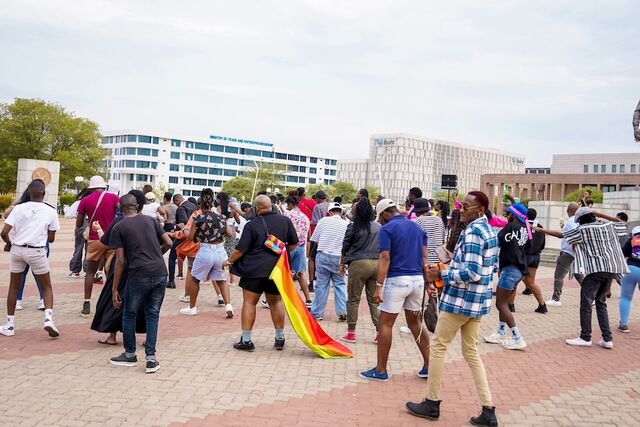
We come from all corners of the world, each shaped by different laws, cultures, and policies. Yet, there is no harm in learning from one another and respecting what other countries uphold. South Africa, for instance, stands as a beacon of inclusivity. It became the first African country to legalise same-sex marriage under Section 9 of the Constitution, which guarantees equality and prohibits discrimination based on sexual orientation.
However, during global platforms like the W20, discussions around inclusion often overlook the queer community, citing cultural and regional differences as barriers. True inclusion means acknowledging all identities, even those we may not personally relate to. Avoiding these conversations only widens the gap we aim to close. To build genuinely inclusive societies, the W20 must create safe spaces for dialogue, integrate diverse perspectives into policy recommendations, and promote learning exchanges that strengthen mutual respect across regions. Inclusion is not about agreement; it’s about understanding, acceptance, and ensuring that no voice is left unheard.
That is why the way forward calls for both reflection and action. The W20, as a platform for shaping global gender equality policies, can take meaningful steps to ensure young people are not just seen but truly heard.
To begin with, the W20 should promote meaningful youth engagement through creating a Youth Inclusion Framework that ensures Gen Z and young women are part of the conversation from the start, not as guests, but as contributors. This means integrating youth perspectives in agenda-setting, policy drafting, and follow-up mechanisms. Mentorship exchanges between senior delegates and young innovators could bridge generational divides, combining wisdom with digital-age creativity.
Equally important is the need to strengthen digital and technological inclusion. A “Digital Innovation for Inclusion” initiative within the W20 could empower young leaders to co-design ethical and regionally relevant technology policies. Rather than viewing AI and tech advancements as threats, we can use them as tools to promote equality, access, and innovation guided by digital literacy programs that ensure no one is left behind.
Finally, the W20 must promote inclusive dialogue and cultural respect. It’s time to normalise difficult but necessary conversations about sexuality, mental health, gender identity, and social justice without fear or bias.
This is pushing forward for equality. Demanding safe dialogue spaces that respect cultural diversity and encourage learning and empathy can help nations grow together instead of apart. Inclusion does not mean imposing beliefs; it means listening, understanding, and finding common ground rooted in human dignity.
The W20 stands at a turning point. It can remain a platform that echoes familiar voices or evolve into a space that amplifies all voices, especially those often sidelined. Gen Z is not too loud; we are the sound of change. And perhaps, that’s the very rhythm the world needs to hear right now.
#PushForward4Equality
Comments
Related news