Barometer 2024: Maternal and Menstrual Health

| Gender Links
[video width="852" height="480" mp4="https://genderlinks.org.za/wp-content/uploads/2025/03/VC-BARO2024-health-sm.mp4"][/video]
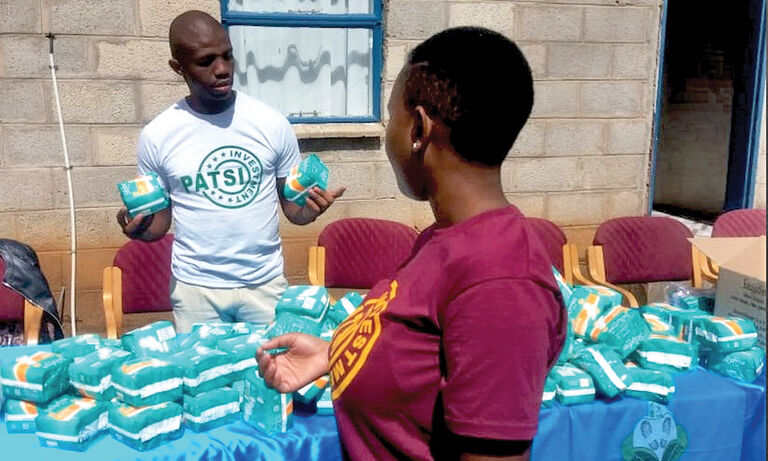
- Six SADC countries have now removed VAT from menstrual products, and eight countries provide menstrual hygiene products in schools, mainly in rural and disadvantaged communities.
- Regional progress on reproductive health shows that eight SADC countries have successfully met or surpassed their family planning targets, while six member states have yet to achieve these benchmarks.
- Access to basic sanitation and handwashing facilities remains low in all countries except Mauritius and Seychelles.
- The regional average of unmet need for contraception in southern Africa remains high at approximately 19%, which exceeds the global average of 9%.
- The lowest unmet need is in Mauritius, at about 10%, while Angola has the highest rate, estimated at 38% of married women. This rate reflects significant challenges in family planning and gender equality in Angola, where the modern contraceptive prevalence rate remains one of the lowest in the region at just 12.5%.
- Maternal mortality remains stubbornly high. Only Mauritius and Seychelles have met the SDG target of fewer than 70 deaths per 100,000 live births.
- The DRC has the highest maternal mortality rate, with 693 deaths per 100,000 live births.
- Efforts to lower maternal mortality across SADC have seen varied progress, with high rates in several other nations, including Malawi and Zimbabwe, where economic instability and healthcare limitations are contributing factors. Reducing maternal mortality remains a critical priority, especially given the need for consistent healthcare access and quality maternal services across the region.
- Nine countries in SADC have included Human Papillomavirus (HPV) in their national vaccination programme, though coverage varies across countries, from 98% in Seychelles to 55% in Botswana.
- The prevalence rate of cervical cancer per 100,000 women per year attributable to HPV is higher than the Africa average of 26 incidences in all countries except Mauritius.
- Ten SADC countries now have national cervical cancer screening programmes. However, large-scale coverage remains a challenge, ranging from 4% in Mozambique to 56% in South Africa for women ever being screened for cervical cancer.
Comments
Related news