South Africa: Empowerment of a Survivor of Domestic Violence

A Journey from Despair to Independence
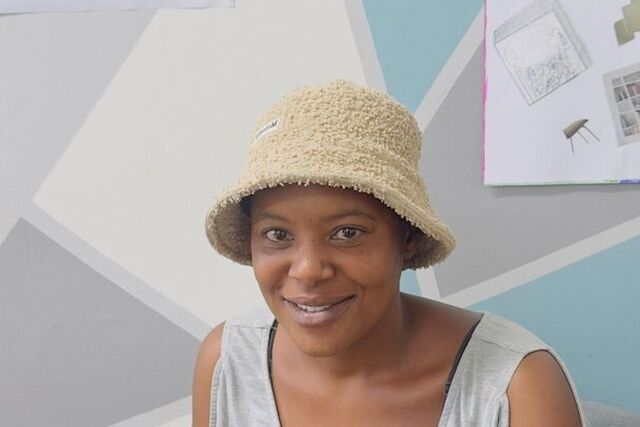
Domestic violence remains one of the most pervasive violations of human rights in South Africa. Behind every statistic is a human story, one of pain, resilience, and transformation. This is the story of Magdeline Mogale, a mother of three, who turned her darkest moments into a beacon of hope.
Before the Change: A Cycle of Abuse
Magdeline lived with her partner in his sister’s home for several years. Their relationship was marred by constant conflict and escalating violence. Physical and emotional abuse became part of her daily reality, spilling over to affect her children’s well-being and performance at school. Despite reporting the abuse to the South African Police Services (SAPS), no legal action was taken. Desperate for help, Magdeline reached out to Thusanang Trauma Centre multiple times. The Centre followed its standard procedure, issuing call-in notes and arranging joint sessions. But these efforts failed. The boyfriend refused to cooperate, and the abuse worsened. Eventually, Magdeline left for her maternal home, only to return later, hoping for change. Instead, she discovered infidelity and faced another brutal assault. In a moment of despair, Magdeline attempted suicide. She contacted a member of Thusanang Trauma Centre from the veld, who immediately alerted SAPS. This intervention marked the turning point in her life.
The Intervention: Care and Support
Magdeline and her children were admitted to Thusanang Trauma Centre, where they received care packs, food, and psychosocial support. The Centre’s social workers conducted follow-up sessions, ensuring emotional healing and stability. Through counselling and empowerment programs, Magdeline began to rebuild her confidence and envision a life free from violence.
The Change: Independence and Peace
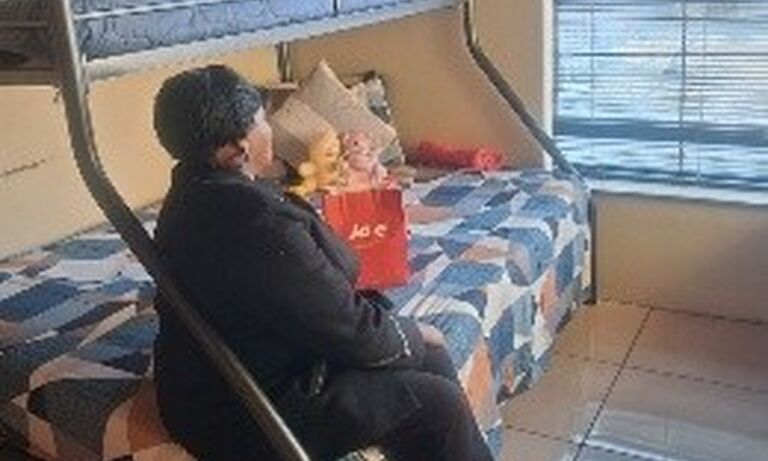
Today, Magdeline is employed under the Expanded Public Works Programme (EPWP) through the Department of Social Development. She earns a monthly salary, supports her children, and lives in her own shack. A space of peace and dignity. She is even planning to build a permanent home, buying materials bit by bit. Her transformation is not just personal; it sends a powerful message about resilience and the importance of support systems for survivors of gender-based violence.
Evidence of Change
- Magdeline is employed and financially independent.
- She provides for her children and lives in her own home.
- She has opened a domestic violence case, and the perpetrator has been arrested.
Quotes
Quote 1:
Thanks God I am independent, working and have a place of my own. – Magdeline Mogale
Quote 2:
Never stay in an abusive relationship in the name of love. – Magdeline Mogale
Quote 3:
I feel better ever since I left the abusive relationship. I have peace of mind. – Magdeline Mogale
Sustainability and Next Steps
Magdeline’s journey demonstrates that empowerment is sustainable when survivors receive holistic support emotional, legal, and economic. She continues to work, save, and plan for a better future for her children. Her story is a testament to the transformative power of counselling, community support, and economic opportunities.
Why This Story Matters
Gender-based violence is not just a private issue; it is a societal crisis that demands collective action. Magdeline’s story highlights the critical role of organisations like Thusanang Trauma Centre and programs like EPWP in breaking cycles of abuse and fostering independence. It reminds us that change is possible when survivors are given the tools to reclaim their lives.
By: Keabetswe Natasha Nthutang
Comments
Related Stories Of Change