In Mauritius, families of LGBTQIA+ individuals often face stigma, confusion, and pressure stemming from cultural, social, and religious norms. Many parents struggle to understand their children’s identities due to misinformation and limited access to safe spaces for dialogue. This reality frequently leads to isolation, emotional strain, and, at times, rejection of LGBTQIA+ individuals within their own families.
Collectif Arc-en-Ciel (CAEC) identified the urgent need for a dedicated psychosocial support space for parents and close relatives of LGBTQIA+ people. While CAEC has historically offered support to LGBTQIA+ individuals and their families, there remained a gap in structured, parent‑centred engagement. The Parents Support Group was created to fill this gap, using a participatory approach in which parents are not recipients of information but active co-creators of knowledge, support, and advocacy.
Through a series of facilitated sessions, parents learned, unlearned, and explored new ways of understanding sexuality, gender identity, and the lived experiences of their children. The first session revealed the transformative power of collective dialogue. Parents expressed fear, confusion, love, and hope—often for the first time in a safe and understanding environment. Their willingness to share openly created an atmosphere of trust that allowed for meaningful shifts in attitudes and perceptions.
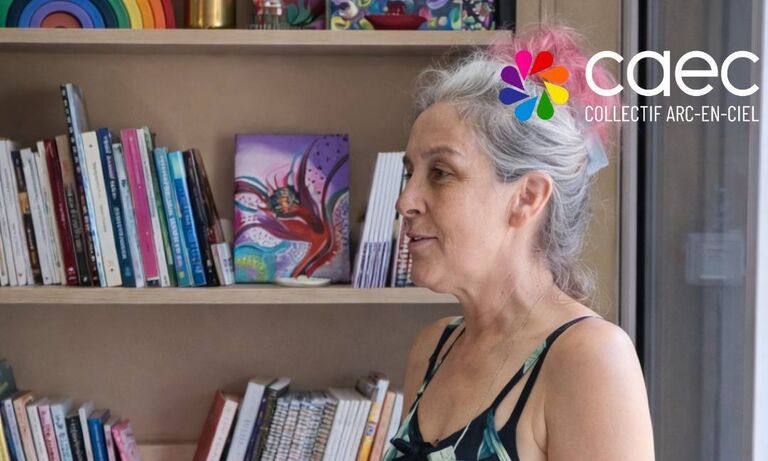
The session, facilitated by CAEC psychologist Amanda Sadien, enabled parents to ask questions without judgement, confront their own social conditioning, and acknowledge the impact of stigma on their children. One parent voiced a powerful commitment: “I may not understand everything yet, but I refuse to be the reason my child suffers in this country. If I must learn everything from zero to protect them, I will.”
The change became more visible during the second session. Parents not only returned—they expanded the space by inviting others from their networks. A growing sense of shared identity emerged as parents began identifying themselves as “parent champions.” They embraced their role as allies not only to their own children but also to LGBTQIA+ individuals without supportive families.
Parents described noticeable improvements in their relationships with their children, including stronger communication, emotional connection, and shared purpose. Before the initiative, many felt alone, uncertain, and disconnected. Now, they participate in a supportive community where stories, fears, and hopes are shared, validated, and transformed.
The initiative’s significance lies in its ability to shift families from private supporters to public actors in the LGBTQIA+ movement. Parents contribute credibility and emotional authority to advocacy efforts, helping shift harmful social norms in community, school, and religious spaces. Their voices strengthen the movement by adding perspectives grounded in care, responsibility, and lived family experience.
Sustainability will be achieved by integrating the Parents Support Group into CAEC’s long‑term programming. Parents will participate as co-designers and co-facilitators, ensuring continued ownership and relevance. Over time, the group will evolve into a wider parent champion network, expanding to regions across Mauritius and partnering with schools, counsellors, and social services.
Ultimately, this initiative marks a shift from isolation to community, from fear to confidence, and from silence to collective advocacy. By placing families at the heart of LGBTQIA+ inclusion, the movement becomes stronger, more holistic, and grounded in shared humanity.
Quotes
Ingrid Telvave, Look, I am now becoming a parent champion.
Marie I refuse to be the reason my child suffers in this country. If I must learn everything from zero to protect them, I will.
Clara Huet Before, I was just a parent trying to understand my child. Now I am learning, unlearning, and walking this journey with my child.