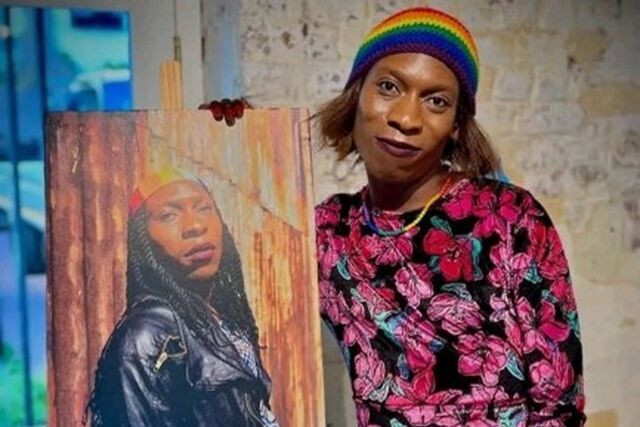
LGBTQ+ learners across Namibia continue to endure discrimination, bullying and silence within school environments that should be safe, nurturing and inclusive. This feature highlights the lived experiences of queer learners, drawing attention to the everyday struggles they face because of their identity. Despite constitutional protections, many learners report feeling unsafe, unsupported and misunderstood within the very institutions responsible for shaping their futures.
The story examines how queer learners are often subjected to verbal harassment, social exclusion and emotional distress. For many, school becomes a space of fear rather than learning. Teachers may lack training on inclusion, while some unintentionally reinforce harmful stereotypes. Reporting mechanisms are either weak or non-existent, leaving learners with few options for protection.
One learner’s personal experience illustrates the emotional toll of targeted bullying and the lack of adequate institutional response. Their testimony highlights the absence of support structures, the failure of school policies to protect queer learners and the enduring stigma that surrounds sexuality and gender identity in many communities. These systemic shortcomings contribute to mental health challenges such as anxiety, depression and diminished sense of self-worth.
The feature also highlights how LGBTQ+ learners in rural areas face compounded barriers, aggravated by cultural taboos, limited access to counselling and deep-seated misinformation. Transgender and gender-diverse learners, whose identities are visibly policed, are at even greater risk of exclusion and emotional harm.
The article calls for urgent improvements in school policy, including anti-bullying frameworks, teacher training and inclusive reporting systems. It emphasises that safety, dignity and equal educational opportunity are rights—not privileges—and that any form of discrimination undermines learners’ academic development and emotional wellbeing.
Ethical considerations guided the reporting process, especially because the story involved a learner under the age of 18. Consent was prioritised, names were withheld and sensitive details were removed to ensure safety. The coverage avoided sensationalism and focused instead on dignity, empathy and responsible storytelling.
The feature prompted dialogue among educators, parents and policymakers. It has been used in workshops and policy discussions as a resource for understanding the lived challenges of queer learners. Advocacy groups have also used the story to guide conversations on inclusive school practices, counselling services and support structures.
Through responsible storytelling and emphasis on lived realities, the article contributes to broader efforts to promote safe, inclusive and equitable learning environments for all learners in Namibia.
Comments
Related Stories Of Change