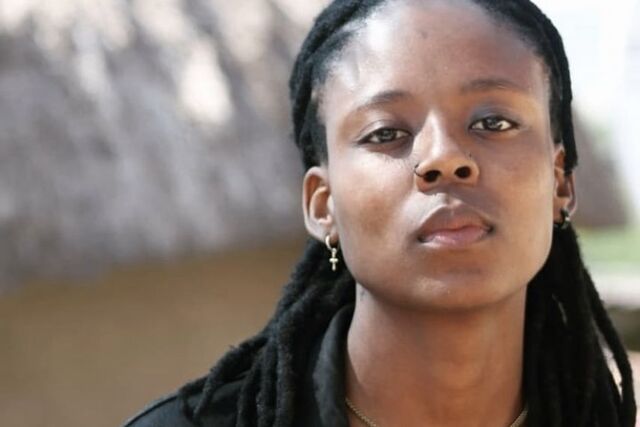
I am a final-year student at the University of Botswana, studying Hydrology and Psychology. I come from a very traditional family, and none of them knows about my sexual orientation. Ever since primary school, I have been teased and insulted for playing with girls and dressing in ways that people associated with girls. Even at home, my uncle would beat me for “acting like a girl.” I was confused then. I kept hoping it was just a phase that would pass, but it never did.
High school only made things harder. The insults grew harsher, and I began to hate going to school. I was lonely until I met another gay student who became my only friend. My classmates, and even some teachers, mocked me, calling me evil or “possessed.” Their cruelty pushed me to seek deliverance in church, hoping something would change. Instead, I ended up hating myself even more. No prayer changed me; my feelings for men never went away. Eventually, I decided to get counselling, and that became the beginning of my healing. Therapy helped me rebuild my confidence and slowly learn to accept myself.
Even at university, homophobia remains strong, but now I have the knowledge and strength to withstand it. Therapy helped me see that I wasn’t cursed; I was bullied. My friend also played a huge role; he comforted me, supported me, and reminded me that one day everything would be okay. We would go for tea and lunch together, lifting each other when things felt unbearable. His presence made me feel less alone.
There is still so much that needs to change. Parents need to understand that if their child is part of the LGBTIQ community, they should accept them. Growing up, especially in an Africanoriented family, I was expected to be “a real boy”, physically strong, into football, and conforming to all the stereotypes. But children are born different and innocent, and they deserve the freedom to express themselves without fear.
The truth is simple: I once hated myself for this. I carried shame that was never mine to carry.
Homophobia remains one of the biggest barriers in Botswana. At the university, students tease us, and even some lecturers don’t feel comfortable helping us with assignments. Sometimes, people shout threats as I pass, saying that gay people should be killed or banned from this world. They weaponise religion and call us evil, without realising the harm they cause.
To anyone going through what I went through: go to therapy if you can. Accept yourself. Be proud of your existence because not everyone will understand you, but you must understand yourself. Love yourself first. Seek out communities like BONELA and LEGABIBO. They host events like Pride and IDAHOT, where LGBTIQ people come together to share experiences and support one another. Being around people who understand makes a difference.
As for my hopes, I dream of a future where the wider community and the LGBTIQ community live in peace and harmony. I want a society where queer people no longer fear for their lives, where love does not have to hide, and where being different doesn’t mean being unsafe. That is the world I hope we can build.
Comments
Related I Stories