Entry 11967
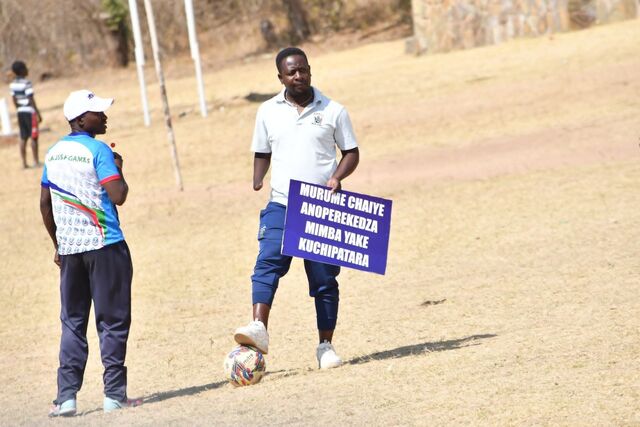
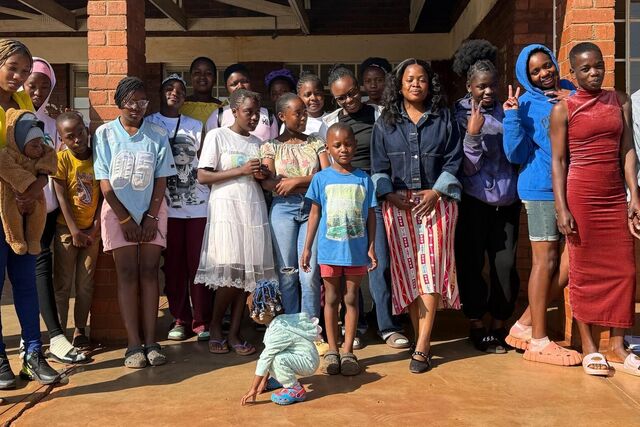
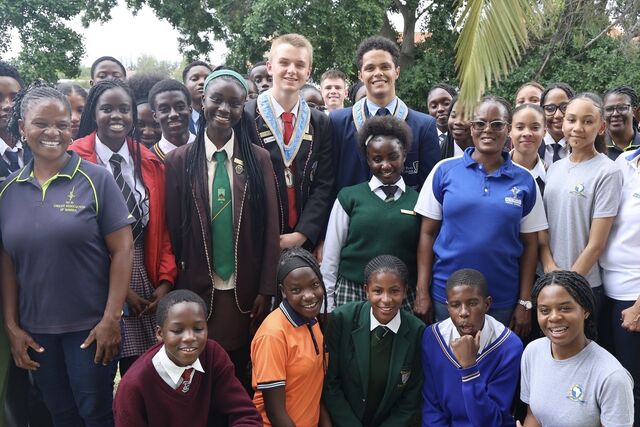
Women in Communities (WICO) Zimbabwe, a Voice and Choice Southern Africa Fund (VCSAF) grantee, implemented a program at Mupangayi Secondary School in Shurugwi District to improve access to sexual and reproductive health (SRH) and HIV services for adolescents. This initiative included health clubs and peer education, emphasising creating stigma-free environments through intergenerational dialogues between parents/guardians and their children. The “
I am my daughter/Son’s keeper” campaign facilitated discussions about misunderstandings and tensions between parents and adolescents, showcasing various challenges faced by students, such as substance abuse and pregnancy stigma. The sessions promoted one-on-one family discussions, enhancing communication and understanding and establishing trust between generations. Participants recognised the necessity of open dialogue for better sexual and reproductive health rights (SRHR) and HIV outcomes. The programme concluded that accurate information and supportive environments enable adolescents to make informed choices regarding sexuality, reinforcing the importance of communication at home and school while also stressing the need for accessible contraception and HIV prevention measures to avoid unwanted pregnancies and infections.The “
I am my daughter/Son’s keeper” campaign addressed issues causing tension and misunderstanding between adolescents and their parents/guardians. It provided a platform for parents to express their fears and concerns and for children to share their feelings of being misunderstood. The session began with open discussions about the issues and tensions between parents/guardians and their children. Some concerns raised included:
- Nyoni, a Form 4 student, lives with her parents who provide her with necessary school resources. After persistently requesting a cell phone for research, her parents noticed she became secretive and spent excessive time on it, causing friction.
- Zimuto, also in Form 4, lives with his uncle while his parents work in South Africa. Despite receiving trendy clothes and gadgets, Brian’s grades dropped, and his behaviour suggested substance abuse, influenced by older peers.
- Chizana, a Form 3 student living with her grandmother, faced stigma after returning to school post-pregnancy. She struggled with ridicule from peers who did not understand her situation.
The dialogue sessions included one-on-one family discussions, leading to a better understanding and appreciation of each other’s viewpoints. Learners realised that parents’ concerns were more about protection than blame. The consensus was that open dialogue between children and their parents/guardians is crucial for better SRHR and HIV outcomes.The dialogue improved communication and relationships, increasing trust between adolescents and their parents and enhancing support from the older generation. Some comments from participants included:
- A mother: “Today, we learned much about bridging the gap between parents and children. By being more open, we realised the importance of communicating better with our children. This approach can help prevent them from seeking guidance elsewhere, which might be misleading. We discussed the use of phones extensively and agreed that students should focus on using technology responsibly rather than abusing it.”
- A learner: “I am a student at Mupangayi Secondary School in Ward 11 of the Shurugwi district. Today, WICO Zimbabwe visited us and helped us understand how to improve communication with our parents. This communication can be about academic issues or social challenges, such as abuse and negative peer pressure. We must accept guidance from our parents and guardians, as they genuinely have our best interests at heart. We are very grateful for the opportunity to dialogue with our parents.”
Key changes at a community or national levelThe critical change at the community level is the enhancement of communication and understanding between adolescents and their parents/guardians regarding SRHR and HIV issues. This has been facilitated through intergenerational dialogue programmes, which have helped bridge the gap between generations, fostering trust and openness. The dialogues encourage a supportive environment where adolescents can seek guidance, and parents can voice their concerns, ultimately leading to better health outcomes and more responsible decision-making among youth.At the national level, this initiative aligns with broader public health policies aimed at improving access to integrated SRH and HIV services for young people in Zimbabwe. Emphasising the importance of open discussions and educational campaigns, such as the “
I am my daughter/Son’s keeper” campaign, supports national policies focused on reducing stigma and promoting health literacy among youth. This approach not only aids in informing adolescents about health choices but also advocates for supportive family dynamics, which are critical for the successful implementation of health policies.
Grantee/VCSAF contributionThrough the VCSAF fund, Women in Communities (WICO) Zimbabwe has significantly enhanced access to integrated sexual and reproductive health (SRH) and HIV services for adolescents in the Shurugwi district. Through collaboration with schools, WICO established health clubs and employed peer educators among prefects, which fostered a supportive environment conducive to learning about SRH and HIV. This strategic approach aimed to create stigma-free school settings where students could openly discuss their concerns and access necessary health information.Through these efforts, WICO has fostered more robust relationships between adolescents and their parents, increasing trust and support. This connection is vital for adolescents to make informed and healthy choices regarding their sexual health. By promoting dialogue and education, WICO contributes significantly to empowering young people to navigate their sexual and reproductive health responsibly and effectively, thus facilitating positive change in the community's health landscape.
Next stepsThe following steps in the intergenerational dialogue on SRH should focus on reinforcing the foundations laid during the sessions and ensuring sustainable engagement between parents and adolescents.
Continue promoting open dialogue: It is essential to continue promoting open dialogue between parents and their children. Schools and community organisations should facilitate regular meetings and discussions, encouraging parents to express their concerns and children to share their experiences. This ongoing communication can further bridge the gap and deepen understanding within families.
Enhance educational initiatives on SRH: It is crucial to enhance educational initiatives about sexual reproductive health and HIV for both adolescents and parents. Workshops and informational sessions should be organised to provide accurate knowledge and resources, thus empowering both groups to make informed decisions and foster a supportive environment free of stigma.
Institute support systems, including counselling services and peer support: Support systems should be instituted, including counselling services and peer support groups, which can provide adolescents with a safe space to discuss issues they face. These initiatives will help reinforce the trust established during the dialogues and support the continued development of healthy relationships between generations.Adolescents and young people are more likely to make healthy choices when they have accurate, relevant information about sexuality that is presented in a non-imposing way. Creating an open, stigma-free environment at home and school where they feel comfortable asking questions helps them develop positive attitudes and behaviours that support healthy decisions. Additionally, access to contraception and HIV prevention is crucial for preventing unwanted pregnancies and sexually transmitted infections, including HIV.