South Africa: A lesson in democracy, political tolerance and the safety of observers

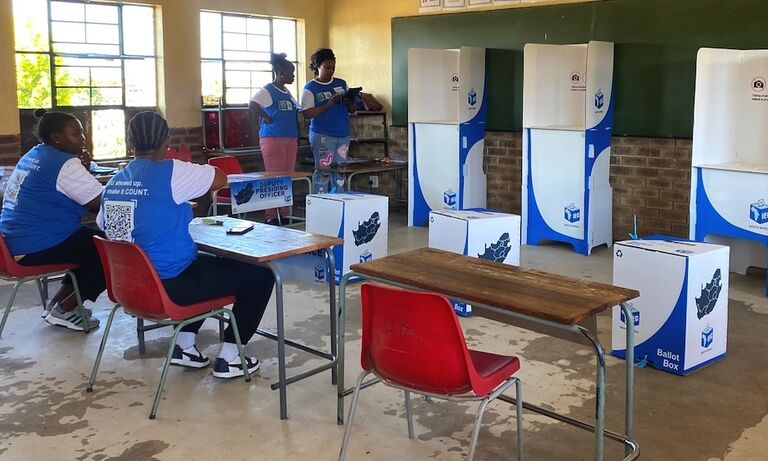
On 4 November 2026, I observed the elections and witnessed the electoral process firsthand, learned about the work of election observers, and reflected on the importance of free and fair elections.
The day began smoothly. People came out in numbers to cast their votes, although the voting station became relatively quiet as the day progressed. The only early challenge was a smoothly. The only initial challenge was that the voting station slight delay while IEC officials were still setting up and preparing for the day's activities.
Later, an incident raised questions about public understanding of the role of election observers.
An observer, representing Defend Our Democracy, became the centre of a dispute because she was also known to be an ANC member. Like many people, observers may have their own political affiliations and personal histories. However, her political background led members of other political parties to question her presence and demand that she be removed from the voting station.
The incident revealed the gap in public understanding of the election observers' role and responsibilities. Observers monitor the electoral process, identify possible irregularities and contribute to transparency and accountability. Their presence should not automatically be questioned simply because they have a political affiliation. What should matter is whether they meet the relevant accreditation requirements and comply with the applicable rules and code of conduct.
Unfortunately, the situation escalated. The observer was subjected to threats, including threats to her life. There were also threats to close the voting station. The situation became so serious that she had to contact someone to come and fetch her because she no longer felt safe.
This was deeply concerning. How can we speak about protecting democracy and ensuring free and fair elections when the people responsible for observing the process cannot carry out their duties without fearing for their safety?
It raises important questions about the role of the Independent Electoral Commission (IEC).
Does the IEC conduct sufficient workshops or information sessions to educate political parties, candidates, voters and community members about how election proceedings work?
Are people adequately informed about who election observers are, what they are allowed to do and what their responsibilities are?
More importantly, what measures does the IEC have in place to ensure that observers are protected and can perform their duties without intimidation, harassment or threats to their lives?
The absence of information kits made the situation even more difficult. Observers were approached with questions that they did not always have the information or resources to answer. This highlighted the need for proper preparation and support before election day.
The IEC must do more than prepare voting stations and manage the voting process. It must also ensure that everyone involved understands the electoral process and their respective roles. Observers should receive clear information packs outlining their roles and responsibilities, applicable rules, key contact details, and procedures for reporting incidents. IEC officials should also be adequately prepared to manage conflict, respond to intimidation and intervene when situations threaten the safety of those present.
Democracy cannot thrive in an environment of intimidation and fear.
Election observers play an important role in strengthening transparency, public confidence and accountability in the electoral process. Their safety and independence must be taken seriously. Political differences should never become an excuse to threaten or intimidate someone who is carrying out an authorised responsibility.
My experience on 4 November reminded me that observing elections is about more than watching people cast their votes. It is also about understanding the systems that protect democracy and identifying where those systems need to improve.
As we continue to strengthen our democracy, the IEC must invest in public education, proper observer preparation and effective safety measures. Every person involved in the electoral process deserves to carry out their responsibilities in a safe and respectful environment.
The question remains: Who protects those who are there to protect democracy?
(Written by Itumeleng Maloka, WOSSO Fellow)
Comments
Related news


