SA: Breaking free from GBV and cultural chains

“When you silence a woman, you silence a nation.” – African proverb
In the heart of Ha-Makuya, a village in Limpopo Province, South Africa, I witnessed the devastating impact of gender-based violence (GBV) on women and communities. As a Social Worker at the Life Savers Foundation, a victim empowerment centre, I saw firsthand the fear, vulnerability, and silence that GBV breeds. But I also saw the resilience, strength, and determination of women who refuse to be held back by cultural norms and societal expectations.
GBV is a complex issue, fuelled by poverty, unemployment, and cultural norms that perpetuate inequality and silence. As one woman shared, “Culture confined me, denying me the right to work, silencing my voice, and reducing my identity to childbearing.” These words echo the experiences of many women who are trapped in abusive relationships, stripped of their economic independence, and isolated socially.
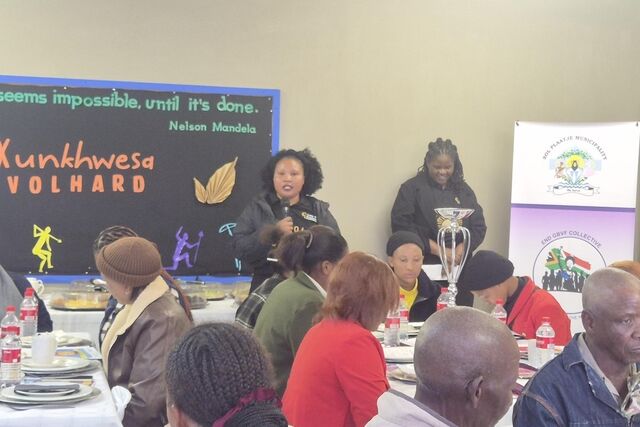
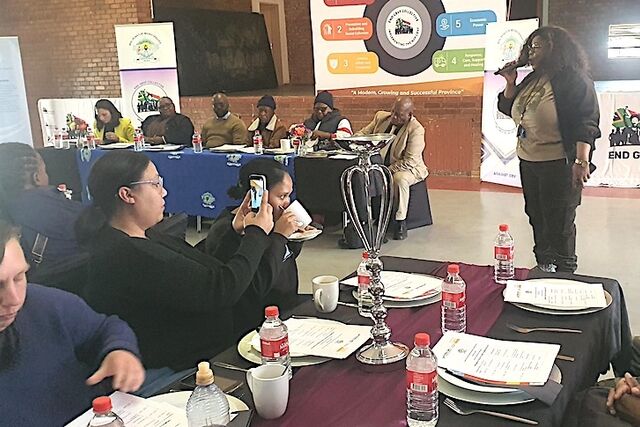
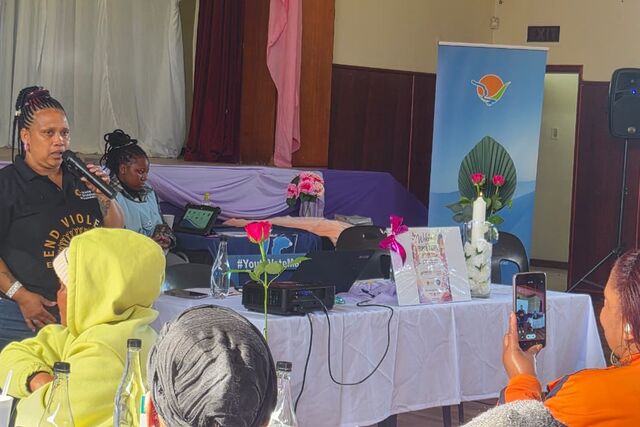
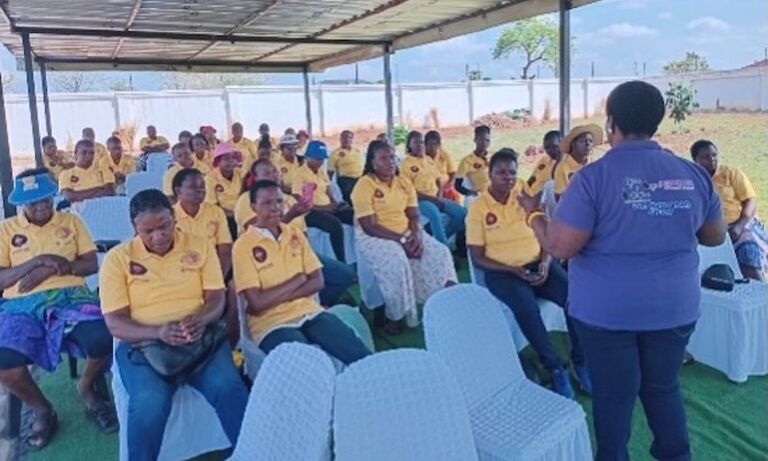
But there is hope. Through my WOSSO Fellowship, I engaged traditional and religious leaders, challenging deeply ingrained norms that perpetuate GBV. I embarked on a challenging yet transformative journey to engage traditional and religious leaders in conversations about gender-based violence (GBV). These leaders hold deep-rooted influence in our communities, where culture and religion often dictate norms and behaviours. My approach was to create respectful, open workshops where we could explore the painful realities of GBV in depth. I painted vivid pictures of how certain cultural practices and religious misunderstandings have, for too long, enabled violence against women and silenced their voices.
At first, resistance was palpable. As a young woman of just 34, I was often met with scepticism about what I could possibly teach the elders, the custodians of tradition. Some questioned my audacity, others dismissed my ideas as rebellious or misguided. It was not an easy path. But I approached these leaders not as an opponent, but as a partner with a shared goal: the well-being of our communities. The respect I showed for their wisdom, combined with my genuine willingness to listen and learn from them, began to break down barriers. They realised I was not fighting against them, but presenting something vital that had been overlooked for generations.
Harnessing this growing trust, I rallied other women to join me in advocacy. Together, we won more men to the cause, men who recognised that protecting women and eliminating GBV strengthened families and communities as a whole. Slowly but surely, the narrative began to change. Traditional and religious leaders who once served as gatekeepers of silence became champions of justice, demonstrating that transformation is possible when we engage with respect, courage, and relentless hope.
The strategies I used to engage traditional and religious leaders in the fight against gender-based violence (GBV) were deeply grounded in respect, collaboration, and realism. Recognising the immense power these leaders wield in their cultural and spiritual spheres, I chose to empower them as champions of change rather than as challengers of their authority. Instead of imposing programs, I encouraged traditional leaders to integrate GBV discussions into their existing platforms, such as community meetings and cultural gatherings, while religious leaders were supported to include GBV issues in their leadership summits and sermons. This approach allowed the messages to resonate authentically within their communities and created a sense of ownership among the leaders themselves.
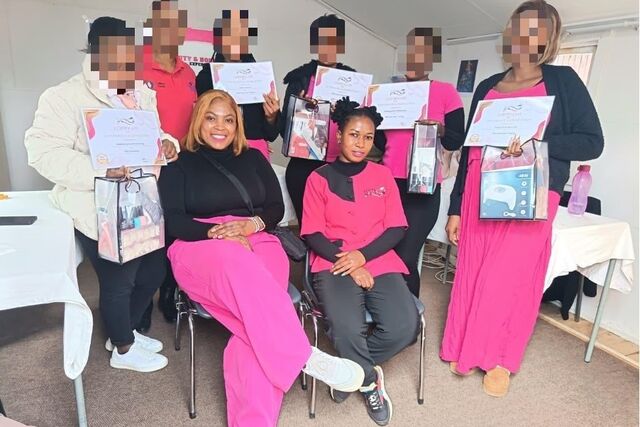
My research, which was part of my master’s degree, offered valuable insights that I used to empower women directly. One striking finding was how cultural restrictions limited women’s opportunities to seek work beyond their villages, perpetuating cycles of dependence and silence. I initiated conversations with men, painting a compelling picture of how these restrictions affect women’s mental health and economic independence. A respectful dialogue that acknowledged cultural sensitivities while highlighting the urgent need for change helped open minds. I also created safe spaces where women could share their experiences, many of whom revealed that, traditionally, their voices were muted, even in critical personal decisions like family planning. These stories were shared within the Man Forum, creating empathy and greater understanding among men.
Finally, I partnered with various organisations to raise broader community awareness on the devastating impact of GBV and the value of gender equality. Together, we conducted educational sessions, community events, and media campaigns that challenged harmful norms and showcased positive transformations. These multi-layered, inclusive strategies built a strong foundation for sustainable change driven by community ownership and respect for cultural contexts.
Together, we can break the chains of fear, tradition, and silence. We can create a future where women are empowered, heard, and free from violence. Will you join me in this journey? Let’s shatter the silence and unleash a movement to break free from GBV and cultural chains. Together, we can make a difference.
#PushForward4Equality
Comments
Related news