Southern Africa: Queer mental health

| Gender Links
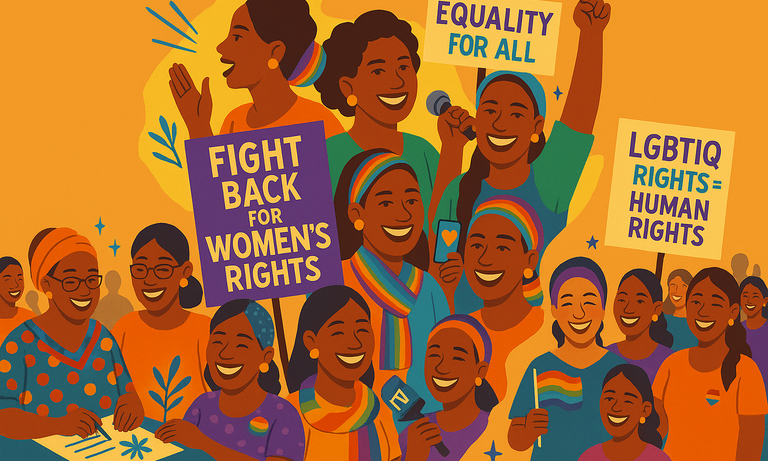
The relationship between Lesbian Gay Bisexual Trans Queer (LGBTQ) folks and the mental health care sector is sour. Mental health has long been used as a whip, a punishment for daring to be any different. Even the Diagnostic Statistical Manual of Mental Disorders classified homosexuality as a mental disorder, and although it has since been removed, the legacy remains.Intertwined in the LGBTQ community’s fight for their right to live is their constant battle with unique challenges that affect their mental health. For LGBTQ people, existence is a form of advocacy. That weight is enormous, but we never talk about the toll that takes on our mental health. To live in a body branded with a scarlet letter by society simply because you have chosen to thrive, to be authentically yourself. Faced with stigma, rumours, and immoral associations, simply because you present differently, feel different and love differently. “She’s bewitched,” they say, “a pervert,” they claim. Every single name in the book, besides the one your parents gave to you. And the impact? Far-reaching.When we hear things from our environment frequently enough, we start to internalise them. Enough people tell you that you are an abomination, and you start to believe it, questioning why you were made the way you were made. The toll on someone’s self-esteem that these words, the looks, the myths all leave wounds that the rest of the world rarely gets to experience. An experience that leaves a person isolated and at greater risk for mental illness.LGBTQ people experience anxiety of coming out, fear for their lives, and ostracisation from society. All these put significant stress on them, and together with gender dysphoria and constant misgendering, it is no wonder that LGBTQ folks are disproportionately facing mental health challenges at a higher rate than their heterosexual peers. This includes depression, anxiety, and substance abuse. LGBTQ people face economic exclusion, which further exacerbates the problem. Unable to make a living, LGBTQ people face further challenges with their mental health, particularly those who need the money for gender affirming procedures.To make matters worse, societal biases often slip into consultation rooms and become uninvited guests in therapy rooms. Seeking help does not guarantee that the process will be free from bias, stigma, prejudice, and outright discrimination. Some therapists, particularly in Africa, lack LGBTQ sensitivity training. Even those with some knowledge may still be influenced by their implicit biases and microaggressions. Many therapists do not fully grasp the intersectionality of LGBTQ identities—how age, class, socioeconomic status, religion, and culture intersect and affect the mental health of the individual before them.Additionally, due to a lack of training, LGBTQ individuals are often misgendered and misdiagnosed. Their mental health challenges are frequently reduced to their identity, leading to a painstaking therapeutic process. The process usually takes one of two problematic approaches: 1) trying to convince them to abandon their identity to fit into a heteronormative world, or 2) ignoring their identity altogether, as if it has no relevance to therapy.In a country like Lesotho, and similar to others across southern Africa, where religion is a significant part of the culture, it is not unusual for religion to be used as a yardstick for acceptability and morality. This includes the microaggressions, the insinuations that if one gave their life to God, then they would not be suffering. That, if you turned away from the immoral path, then the mental health issues would go away. Hurdles like this make accessibility to quality mental health care almost impossible for LGBTQ folks, and this is not touching on the current economic state of the world, of which LGBTQ folks continue to be hit differently by the state of the economy, so they cannot even afford private care.Mental health care should not be a privilege; it is a human right, and denying LGBTQ people affirming, inclusive care is a violation of that right. The challenges facing LGBTQ people regarding mental health and access to quality mental health care are complex. They are interconnected; addressing one issue in isolation is insufficient. problem only. There needs to be a systematic overhaul of how we approach mental health and LGBTQ rights.Firstly, as activists, we should push for funding for every therapist to be trained to understand the experiences of LGBTQ people, including how these experiences affect symptom presentation, the challenges that serve as risk factors, and the unique assets LGBTQ individuals bring to their lives. The focus should not only be on perceived problems, but also on viewing LGBTQ people as individuals with strengths that support their recovery. We should advocate for training on affirming language, LGBTQ history, and the community’s diversity. By collaborating with academics, professionals, and the community, we can disseminate information that accurately portrays LGBTQ realities. Additionally, we should work with professionals and universities to improve the curriculum for all health care professionals, ensuring a thorough understanding of LGBTQ mental health issues. It’s essential to recognize that LGBTQ people are not a monolith; different identities require individualized approaches for effective therapeutic engagement.Advocacy for protective laws remains essential to the mental health outcomes of LGBTQ people. We should campaign for legislation that protects us from wrongful termination of employment, discrimination, and hate crimes. Legislation must include stronger regulation of mental health care professions to ensure they can be held accountable for negligent harm caused and establish councils that ensure these professionals adhere to the ethics and principles of their profession. Additionally, we need to build coalitions with legal aid organisations for strategic litigation against discrimination and to pressure governments to enact protection into law.As an activist, what can you do to make a difference? You can educate yourself on the challenges facing LGBTQ people in your area and use this information to challenge harmful stereotypes around you and be an ally. You can also support LGBTQ friendly spaces by donating or volunteering in these organisations. Furthermore, contact your representatives, write letters, and speak out in any way to advocate for legislative changes. Equality will not be handed to us; we must work strategically together as individuals, organisations, and communities to take it and demand mental health care that affirms everyone.We will not see progress in addressing the global mental health crisis until we intentionally and vigorously advocate for truly inclusive mental health care for all. Until we all acknowledge that we cannot separate LGBTQ people from the realities that affect their mental health and the presentation of mental illness, then we are just putting band-Aids over bullet holes.Stand up, speak out, and be part of the progress toward equality.
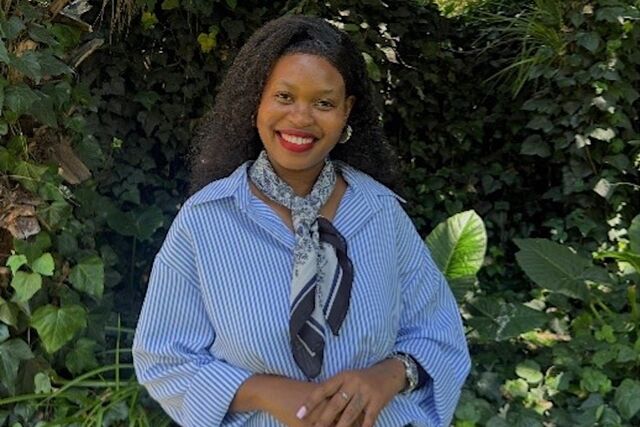
#Pushforward4Equality(This blog is written by Reatile Polaki, Maseru, Lesotho and is part of the PushForward4Equality campaign series.)
Comments
Related news