16 Days: Why Botswana must turn words into survivor justice

Every year from 25 November to 10 December, Southern Africa pauses to mark the 16 Days of Activism against Gender-Based Violence. We wear orange ribbons, convene panels, and issue statements condemning abuse. Yet for too many women and girls across Botswana - from Gaborone to rural wards in Kgatleng, Ngamiland, and Kgalagadi - violence remains an everyday reality met with silence, stigma, and slow-moving justice.
This year’s global theme: “Ensure justice, protect survivors, end impunity” - cuts directly to the heart of what must change. Awareness alone no longer saves lives. Survivors do not just need sympathy; they need police desks that treat complaints with urgency, courts that deliver timely verdicts, workplaces that refuse to shield perpetrators, and online spaces free from digital harassment.
For more than two decades, Gender Links has worked alongside Botswana’s local councils, newsrooms, and community activists to build evidence and push for gender-responsive governance. Through our partnership with the Botswana Association of Local Authorities (BALA) and 32 local government Centres of Excellence across urban and rural councils. reaching more than half of Botswana’s population, we have seen firsthand that change happens when local leaders own the solution.
This 16 Days campaign marks a new milestone in that journey: the formal registration of Gender Links Botswana as a dedicated national chapter.
Formalising our national presence is not about starting over; it is about sharpening our local accountability. With homegrown leadership, including the guidance of Board Chair Ambassador Dr. Athaliah Molokomme, Gender Links Botswana is positioning itself to bridge regional SADC research with everyday realities on the ground.
Nowhere is this bridge more urgent than in law reform and media accountability.
First, as Botswana advances its dedicated Gender-Based Violence Bill in alignment with the SADC Model Law on GBV, legislation must be matched by implementation. A progressive law on paper means little if survivors in remote villages cannot access legal aid, safe shelters, or economic independence to leave abusive households. Ending impunity means closing the gap between policy promises and the lived experience of a survivor walking into a police station or clinic.
Second, the media remains one of our most powerful tools for dismantling harmful social norms. Through our regional Voice and Choice Barometer and media monitoring work, we consistently see that how newsrooms frame violence matters. When headlines trivialise domestic abuse, blame victims for what they wore or where they walked, or treat femicide as isolated "passion crimes", impunity thrives. Conversely, when journalists interrogate systemic failures and amplify survivor voices ethically, institutions are forced to answer.
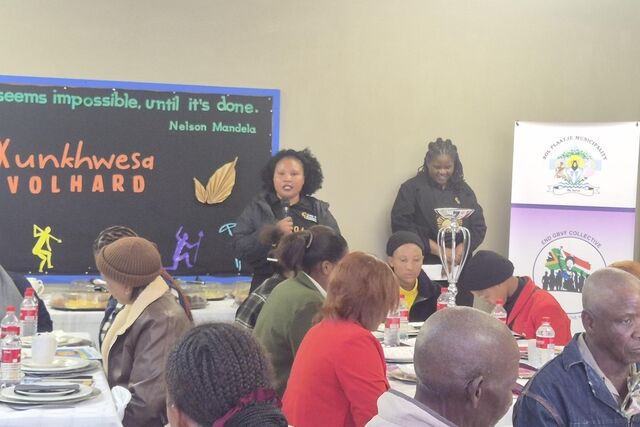
Over the next two weeks, Gender Links Botswana is connecting local journalists, council Gender Focal Persons, and civil society partners to regional barometer briefings and community dialogues covering child marriage, sexual and reproductive health rights, women’s political leadership, and the protection of marginalised groups from violence.
We do not need multimillion-pula conferences to spark change. We need political will in our councils, ethical rigor in our newsrooms, and courage in our dikgotla and homes to call out abuse before it escalates.
As Gender Links Botswana begins this new chapter, our challenge to every leader, editor, and citizen is simple: measure our progress not by the speeches we deliver during these 16 days, but by the justice survivors experience on day 17 and beyond.
(Pamela Dube is the Gender Links Botswana and SADC Liaison Facilitator.)
Comments
Related news