South Africa: Cultivating food security to combat GBV

Masimanyane Women’s Rights International implemented a food garden project in Buffalo City Municipality, Eastern Cape, to address the intertwined challenges of gender‑based violence (GBV), food insecurity, and limited opportunities for women and girls. Many young women remained in violent relationships because of financial dependence, unemployment and limited access to support services. Economic vulnerability deepened their exposure to abuse and reduced their ability to seek help.
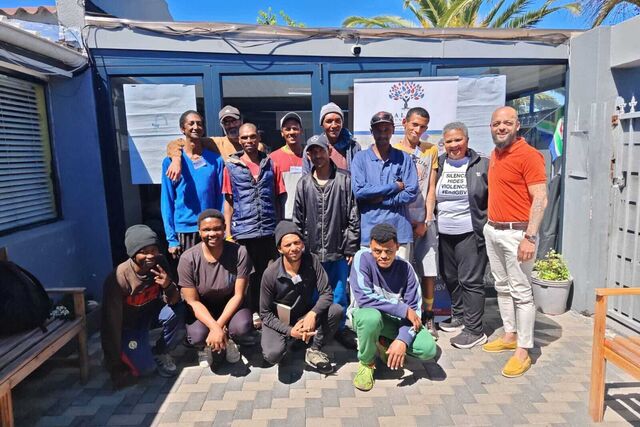
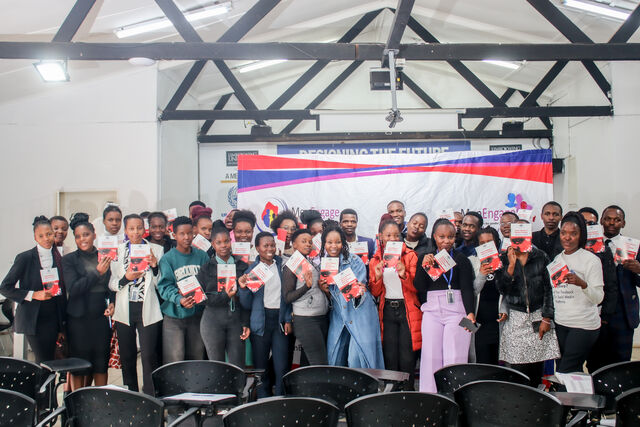
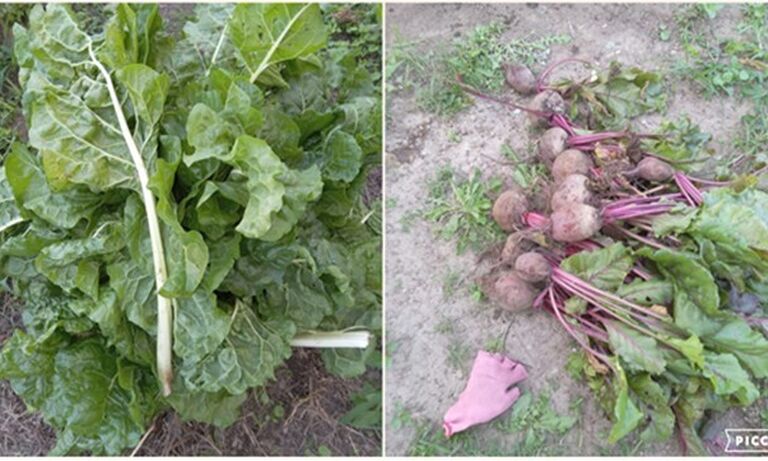
The project worked with eight young women’s clubs and local schools, providing training, tools, seeds and seedlings to establish one‑square‑metre food gardens. Skills training covered sustainable gardening, nutrition, and basic income‑generating techniques. Participants also attended awareness workshops on GBV, rights, and available support services. Peer mentorship, community engagement and collective action were central features of the programme.
The gardens created safer community spaces where women and girls could learn practical skills, connect with peers and rebuild confidence. Awareness of GBV increased through club‑based sessions and collaborations with organisations such as SHE, Childline and local government departments. Participants began contributing to their communities through soup kitchens, homework clubs and school‑based awareness activities. These efforts strengthened community cohesion, shifting social perceptions and positioning young women as leaders.
Before the project, communities struggled with high levels of GBV, food insecurity and weak support networks. After implementation, thriving gardens transformed community life. Women and girls became active contributors to household nutrition and small‑scale livelihoods. Support networks grew stronger, and communities became safer and more engaged in GBV prevention. The project demonstrated how sustainable, community‑driven solutions can shift power, restore dignity and reduce vulnerability.
The initiative also advanced the broader GBV movement by linking food security with empowerment and prevention. By strengthening agency and addressing structural vulnerabilities like poverty, the project enhanced long‑term resilience. The gardens continue to serve as educational platforms, safe spaces and sources of income.
Sustainability is ensured through community ownership, leadership development, partnerships with schools and local organisations, and ongoing mentorship. The young women’s clubs act as incubators for replication, enabling participants to mentor peers and expand food gardening activities into new areas. The model is adaptable and scalable, offering a sustainable foundation for community‑led GBV prevention and economic empowerment.
Quotes
Helen Hambani Food gardens have given me something to look forward to with my club mates.
Sikelelwa Being in the clubs and starting the gardens made me an important person in my community.
Andiswa I can now feed my children when they get home from school.