

Mauritius: economic and climate justice
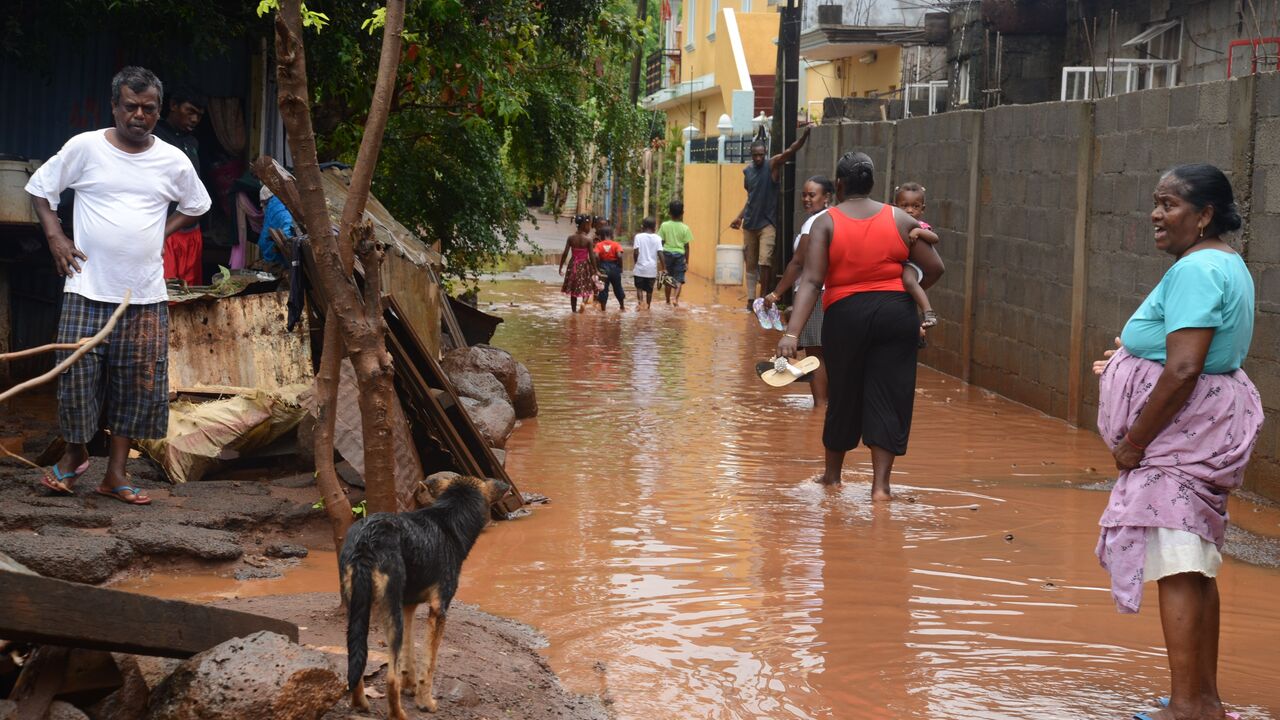
The small island state of Mauritius is among the most vulnerable countries to the impacts of climate change, including intense cyclones, abnormal tidal surges, prolonged droughts, flash floods and increases in sea temperature. Climate records from the 1960s to 2014 show warming of about 1.2°C and a decreasing trend in rainfall.
Sea levels are rising at a rate of 5.6mm per year on mainland Mauritius and 9mm per year at the island of Rodrigues, higher than the global average of 3.3mm per year. This impacts on beaches, which sustain the tourism industry, a major pillar of the economy. The frequency of tropical cyclone strength storms and other extreme weather events such as flash floods have affected the economy, ecosystems and livelihoods.
The projected reduction in rainfall and an increase in evapotranspiration may make agricultural production decline by as much as 15% to 25% by 2050. With a decrease in rainfall of 10% to 20% and a temperature increase of two degrees, sugar yield is expected to decline by one half to two thirds. It is estimated that over the next 50 years, half of the beaches will be lost to the point of supporting no visitors. Extreme weather events, including heavy rains, storms and flash floods, are likely to become ever more frequent and intense in Mauritius.