

Democratic Republic of Congo: Economic and climate justice
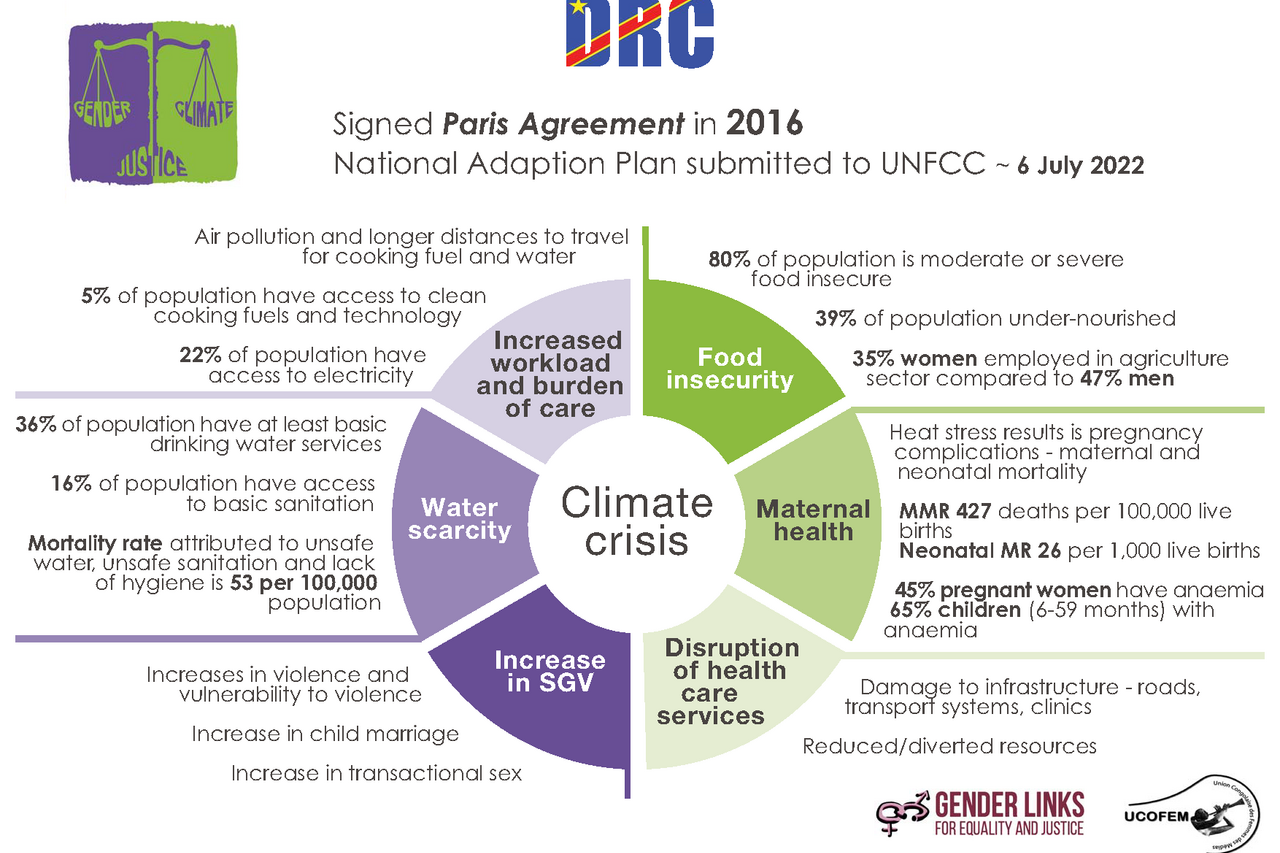
The DRC is at risk for many natural hazards, including volcanic eruptions, earthquakes, floods and droughts. Vulnerability to these hazards is exacerbated by poverty and political insecurity. The most impactful natural disasters in the DRC have been floods and epidemics, accounting for 27% and 58% of all disasters respectively. Lower-income populations tend to reside in more hazard-prone locations, with high potential for significantly increased exposure of already vulnerable populations.
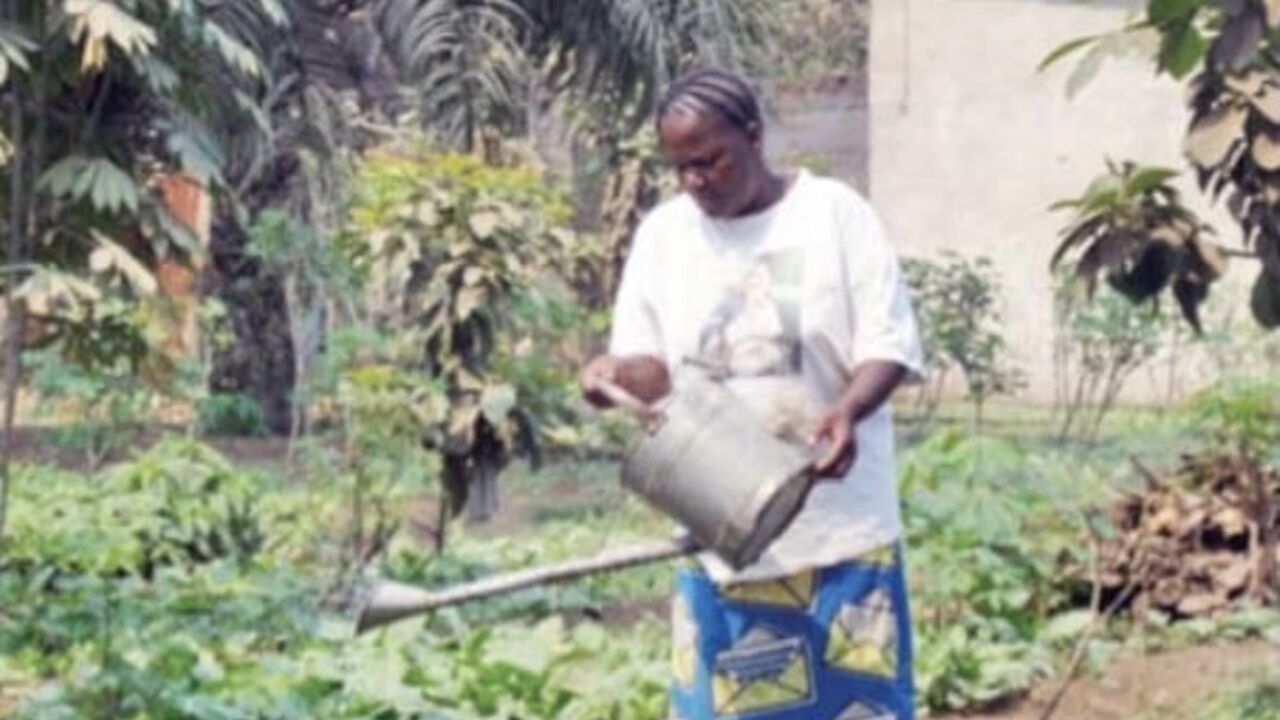
The agricultural sector is critical to the DRC’s economy and food security and is considered one of the most vulnerable to projected climate changes. The agricultural sector accounts for 40% of the national GDP, employs 70% of the country’s population (of whom 72% are women), and this is their primary source of income. Food security will be affected by land and infrastructure degradation due to erosion/landslides, a rise in livestock and crop diseases due to temperature increases, and direct crop failure due to floods and heavy rains.
Malaria is a leading cause of morbidity and mortality in the DRC, and it is projected to extend in both seasonality and geography. Rising temperatures and increased humidity will impact the lifecycle and habitat of malaria-carrying mosquito and parasite species, resulting in a change and spread of the temporal and geographic range of malarial zones. In existing malaria-prone areas, malaria cases are projected to triple by mid-century.