South Africa: Empowering Rural Women to Shatter GBV Silence in Vhembe District

This story highlights how women in rural Vhembe District, Limpopo, are challenging harmful norms, breaking GBV silence, and building stronger, safer communities through awareness campaigns, dialogues, leader training, and youth engagement.
In Vhembe District, Limpopo Province, Gender-Based Violence (GBV) remains deeply entrenched, driven by stigma, poverty, patriarchal norms, and limited access to support. Rural Venda-speaking communities face additional inequalities, including limited mobility, entrenched stereotypes, and restricted economic opportunities. The WOSSO Fellowship project, led by Khensani Shivambu, directly confronted these barriers from 2023 to 2025 through research, awareness campaigns, dialogues, and skills-building.
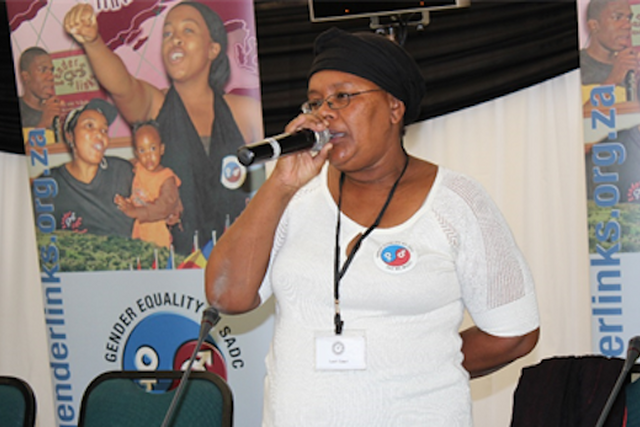
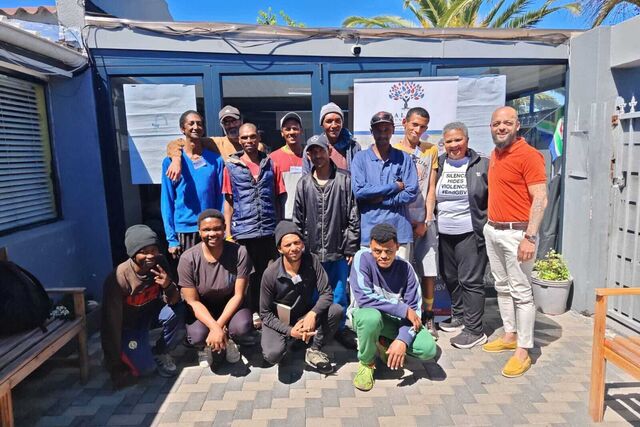
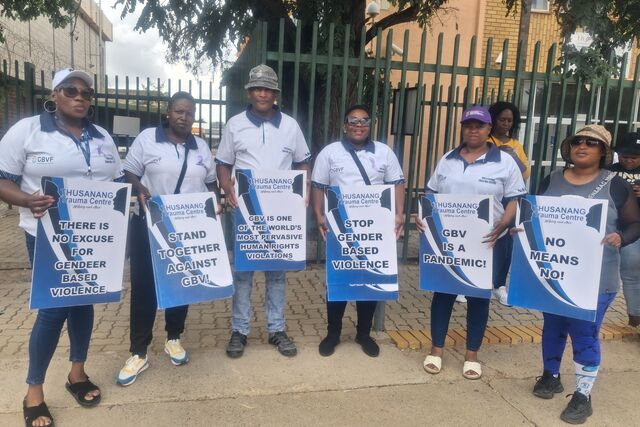
Work began by identifying gaps in rural GBV understanding. Targeted campaigns in Ha-Makuya and Malamulele equipped women with knowledge of GBV rights, reporting pathways, and the Domestic Violence Act. Women–men dialogues opened conversations on cultural beliefs, poverty, and harmful gender roles, fostering empathy and shifting community attitudes. Traditional and religious leaders were trained to act as first responders—supporting survivors, dispelling myths, and promoting accountability.
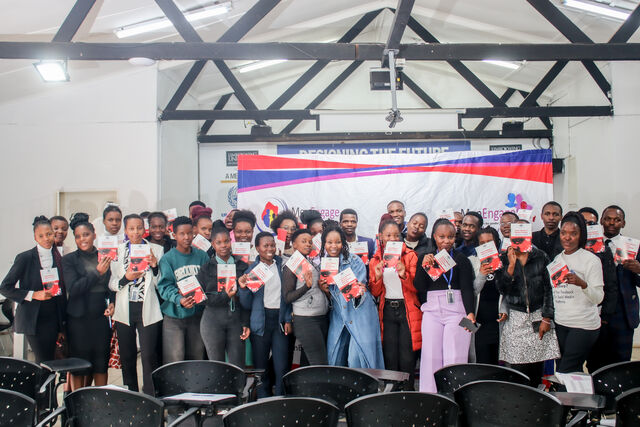
In schools, the project addressed period poverty by distributing reusable sanitary pads, hosting workshops on menstrual health and rights, and involving boys in stigma-breaking sessions. This reduced absenteeism, empowered girls to stay in school, and connected period poverty to broader gender justice efforts. Youth camps combined SRHR and GBV education, giving young people tools to prevent violence and promote healthier relationships.
Research titled ‘Perceptions and Awareness of GBV among Women in Ha-Makuya’ generated evidence that shaped tailored interventions and strengthened advocacy. Over 500 participants took part across activities, ensuring community ownership.
By 2025, change was visible: increased GBV reporting, improved knowledge of rights and services, and the emergence of trained leaders supporting victims. Women gained confidence to speak in public forums, engage in economic activities, and participate politically. Men began challenging toxic norms, supporting women at home, and acting as advocates. Girls experienced fewer school barriers due to period poverty interventions.
This change is significant for the gender equality movement. It demonstrates the transformative power of rural-led initiatives, filling long-standing research gaps and offering a scalable model rooted in community realities. Activities such as women–men dialogues, religious leader training, youth camps, and menstrual justice initiatives have created ripple effects across the district.
Sustainability is embedded in local structures. Bethesda Christian Church now hosts regular dialogues; traditional leaders mentor new responders; schools are linking with NGOs for continued pad donations; and Life Savers Foundation plans to expand research to additional rural sites. Community-based organisations are partnering with government departments to secure funding and integrate lessons into policies.
This project shows how rural women, once unheard, are leading a movement to end violence, challenge norms, and secure justice.
Quotes:
Participant No 1 - I used to stay silent about the beatings, thinking it was normal. After the awareness campaigns, I now know my rights and have reported my abuser.
Millicent Nelamvi - The Wosso Fellowship transformed how we operate. Women now come forward confidently.
Pastor LW Mabasa - The training helped me counsel victims and challenge stereotypes from the pulpit.