Eswatini: Break the Silence - end the cycle of violence

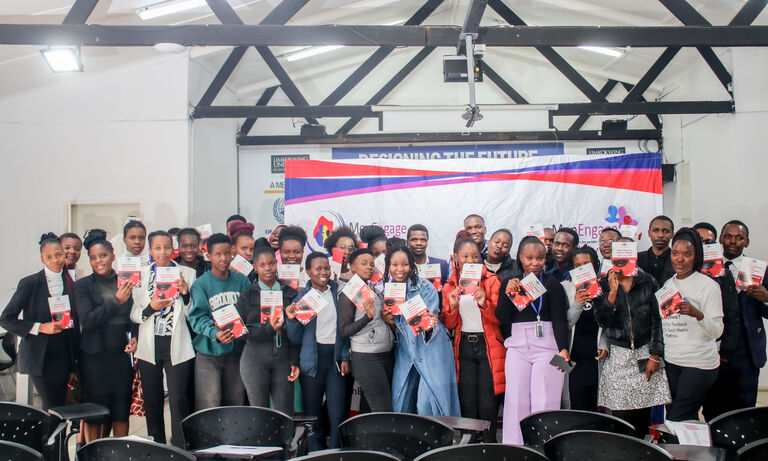
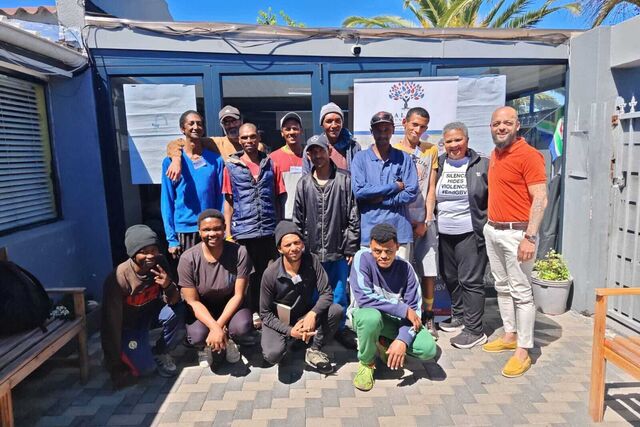
The Gender Transformative programme at Limkokwing University of Creative Technology aimed to address intimate partner violence (IPV), gender inequality, and harmful social norms among young people in Eswatini. Implemented through a partnership with the MenEngage Eswatini National Coordinator, the programme used the SONKE Gender Justice MenEngage training manual to deliver eight intensive sessions. These weekly sessions created a safe, inclusive space for critical discussions on gender norms, IPV, accountability, and healthy relationships.
The cohort of 40 students—young men and women—engaged deeply with the training, exploring the belief-change cycle and reconnecting with the social roots of violence. Many participants entered the programme believing that violence could be justified or that victims bore responsibility for preventing abuse. Pre-evaluation findings showed normalisation of harmful gender stereotypes and limited understanding of healthy relationship dynamics.
By the end of the sessions, participants demonstrated a shift from passive awareness to active introspection and responsibility. They gained a stronger understanding of gender-based violence (GBV), developed healthier approaches to conflict resolution, and recognised that silence perpetuates harm. This transformation was powerfully expressed through a collective pledge: to reject violence, speak out when it occurs, and ensure that no harm would happen under their name or watch.
The programme’s success sparked interest across the broader university community. Although institutional engagement was initially limited, the visible results encouraged student governance bodies to begin planning future peer-led awareness sessions, contributing to a sustainable model for change on campus. The strengthened partnership with MenEngage Eswatini provided technical support and a foundation for scaling the approach to other tertiary institutions.
The significance of the change lies in its demonstration that authentic transformation begins with empowering youth. By equipping young people with knowledge and skills, the programme initiated a grassroots movement capable of influencing broader cultural norms. Growing demand from additional students reinforced the value of safe spaces for dialogue and highlighted the potential for scaling the initiative nationally.
Sustainability is supported through continued mentorship, peer advocacy, and planned collaborations with student governance bodies. The student cohort, now trained and motivated, forms a strong network of youth advocates, extending the programme’s influence. Future goals include working with more universities, integrating gender-transformative sessions into orientation programmes, and strengthening partnerships to replicate the model widely.
Nomcebo Simelane "I have learnt so much from these sessions, I really wish that we could do more and that today wasn’t the last day."
Majaha Khumalo "These sessions have been eye opening. I will be sharing my new knowledge with my friends."
Nothando Masango "I wish more peers could learn this. I know more now and will definitely empower others."