Diversity: Inclusive for Who?

| Gender Links
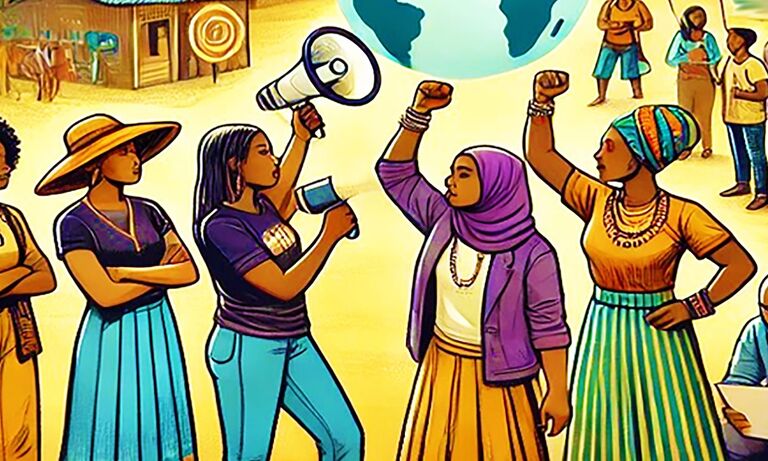
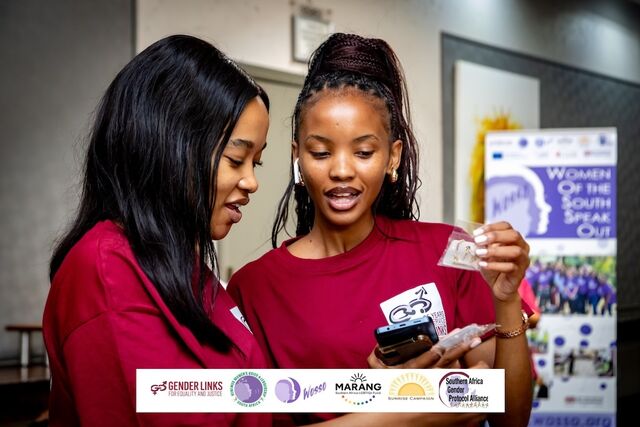
Activists, researchers and practitioners from diverse regions came together for “Inclusive for Who? Voices from the Edges,” a powerful dialogue on inclusion and diversity hosted by Women of the South Speak Out (WOSSO). Moderated by WOSSO Fellow Phyu Nwe Win, this thought-provoking Online Townhall explored the complexities of inclusion, challenging tokenism and calling for radical intentionality, intersectionality and authentic solidarity.Opening the discussion, Arya Kharel, WOSSO Fellow from Nepal, challenged the “illusion of inclusion” – pointing out that representation does not necessarily secure meaningful participation. She shared striking examples of women elected to leadership yet excluded from decision-making spaces, and the impact of entrenched stereotypes and family resistance. Kharel urged participants to rethink allyship, address root causes rather than seek quick wins, and create spaces where inclusion is intentional and by design.Building on these reflections, Menka Goundan from the Asian-Pacific Resource & Research Centre for Women (ARROW) unpacked the layered complexities of identity politics in the Asia-Pacific region. Goundan emphasised diversity and inclusion approaches must go beyond checklists to become deeply intentional. She spoke about colonial legacies and shared histories that shape the region’s diversity, highlighting the power dynamics embedded in even well-meaning inclusion initiatives. Drawing from her experience in climate negotiations, she posed the critical question of who decides “who comes to the table” and whether the table itself was ever designed to accommodate everyone equally.This question of design and belonging resonated with Lusanda Mamba, Marang Fund Programme Manager at Gender Links from Eswatini, who shared reflections as a queer, Black African woman. Mamba challenged persistent notions of queerness as unAfrican and highlighted the transformative power of centring marginalised voices and histories. She spoke candidly about systemic challenges, including institutional resistance, the silencing of local narratives and donor-driven frameworks that prioritise Western values over lived African realities. She called for radical intentionality, intersectional leadership, storytelling, language justice and authentic solidarity to foster genuine inclusion.Maria Fahmy, technical lead for WOSSO from MannionDaniels, spoke about the harsh realities LGBTIQ communities face in the Middle East and North Africa (MENA) region, where same-sex relationships remain criminalised. She shared the deeply moving story of Egyptian activist Sarah Higazi, who was imprisoned and tortured after raising a rainbow flag at a concert. Higazi sought asylum in Canada but struggled with PTSD. She eventually took her life, leaving behind a note of forgiveness. Fahmy emphasised that advocacy in the MENA region must remain rooted in local leadership to avoid perceptions of Western interference.In closing, participants agreed that meaningful inclusion strategies must avoid external impositions that overlook local realities. Creating spaces of true belonging requires more than intention; it demands justice, reflection, and a commitment to amplifying voices from the edges so that everyone belongs – not by chance, but by choice and design.
Comments
Related news