Tanzania: Taking a stand against FGM

| Gender Links
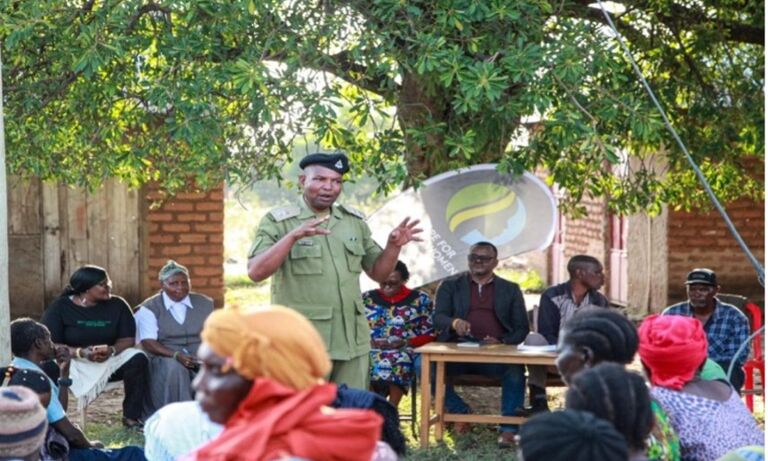
“I feel happy to be here; I feel safe because my father is not around, and I can continue with school.”Despite the ban on Female Genital Mutilation (FGM) in Tanzania since 1998, the practice continues in regions like Mara, where 32% of women aged 15 to 49 have experienced it. The Salama Foundation actively combats Gender-Based Violence (GBV) and advocates for girls' rights. The foundation empowers young girls like Katesho* to assert their rights using social media, SMS, and community radio. At just 15 years old, Katesho first encountered the Salama Foundation during the 16 Days of Activism against Gender-based Violence when the foundation visited her school.Katesho’s most memorable experience with the Salama Foundation occurred when they visited her school during the 16 Days of Activism against Gender-Based Violence (GBV). She recalls, “I remember last year when the Salama Foundation visited our school to discuss the dangers of FGM and provided us with educational materials and fact sheets. I learned about the severe health and psychological effects associated with this practice, which made me refuse to undergo it.”Katesho faced immense pressure from her father, who insisted she undergo FGM before enrolling in school. He believed the procedure was crucial to preserving the family’s honor. “He told me that I had grown up and needed to be cut for our family to be respected,” Katesho recalls. Determined to resist, Katesho fled her home and walked for ten hours to the Local Government Authority office in Gwitiryo, where she reported her situation. This marked a significant step in her fight against FGM, and her courageous act asserted her independence.“I remember last year when the Salama Foundation visited our school to discuss the dangers of FGM and provided us with educational materials and fact sheets. I learned about the severe health and psychological effects of the practice, which made me refuse to undergo it. I’m grateful my brother supported me through this ordeal, despite strong opposition from our parents,” she explains.Katesho's mother expressed her frustration, saying, “You are making me look foolish,” struggling to understand her daughter's concerns. After her brave escape, Katesho sought help from the Gwitiryo executive officer, asking them to contact the Salama Foundation for additional support. Determined to continue her education, Katesho became increasingly aware of FGM’s negative impact. The Salama Foundation prioritised her case and collaborated with the Mtandao wa Kupinga Ukatili wa Kijinsia (MKUKI) coalition to provide necessary assistance. Together, they organised meetings with local government officers, as well as traditional and religious leaders, to raise awareness of FGM and promote education and health services for girls.Today, Katesho lives at the Masanga Center in Tarime, where she continues her education and aspires to become a military officer. Her journey represents the growing movement among young women in Tanzania who reject FGM despite societal pressures. “I feel happy to be here; I feel safe because my father is not around, and I can continue with school,” says Katesho. The Salama Foundation, in partnership with the MKUKI Coalition, plays a crucial role in the fight against GBV. Their initiatives include school programs, campaigns on social media, radio, and TV, the establishment of anti-violence clubs, and the use of creative methods like dance to address reproductive health. Katesho’s determination exemplifies resilience and courage. Her fight against FGM highlights the ongoing need for advocacy and education, inspiring others to defend their rights and live free from harmful traditions.
Comments
Related Drivers Of Change