All facilities offer HIV/ART services including PMCT. Article27 of the SADC protocol states that there should be equal opportunities in HIV care, treatment and support services between men and women boys and girls. The high numbers of babies being born HIV positive had become a cause of concern and a serious threat to the SADC protocol on Article 27 were it affected the Zero new HIV infections campaign and the Kadoma City Health Department has embarked on a practise to Eliminate new HIV infections by the introduction of the Lifelong ART.
The project sets out to make HIV services accessible to all, to improve quality of life in PLHIV, to screen for TB and to prevent new HIV infections.
This project has reached 25% direct beneficiaries and all these participants have received medication and support for HIV. The Zimbabwean Government allocated $3000 to support this project. In kind contributions amounted to $2000. The total budget for this project is $5000.
The main challenges have been the increased number of home deliveries especially to women who do not know their HIV status which increases the risks of babies being born with HIV. This is due to the fact that their mothers were not protected during antenatal.
The number of male partner involvement is still low and most of these male partners are never tested and increase the risk of infecting their partners especially during pregnancy. This, then, increases the risk of HIV transmission to the baby in utero.
In line with the resettlements, most of the newly established are far from health centres so it has become a challenge for most women living those areas to access health services. Also, most of them lack knowledge on the HIV /ART programmes which also affects the pregnant women especially those who do not know their HIV status and in so doing affecting the unborn babies leading to HIV infection to the babies during pregnancy and delivery.
Inadequate nutritional feeding leading to poor nutritional status of the pregnant women because of hunger and poverty is also a challenge since it increases the risks of HIV transmission between the mother and the baby while the mother is pregnant.
All monitoring and evaluation tools are as per national guidelines were ART registers, Monthly PMTCT Statistics, Delivery registers, HIV testing and counselling registers, ANC booking registers , Laboratory registers and the Dna/Pcr registers were all used to monitor and evaluate the programme but all was done under the supervision on the MOHCC. This was done in an effort to assess the number of HIV positive women booked for ANC and then the number of Children born and their status using the DNA/PCR. The number of male partners who come to health centres with their partners is also monitored as assess if there is any improvements in male partner involvement. The quality of life of the women is also monitored using laboratory results like CD4 and Viral Load which should be improving ever since ART initiation.
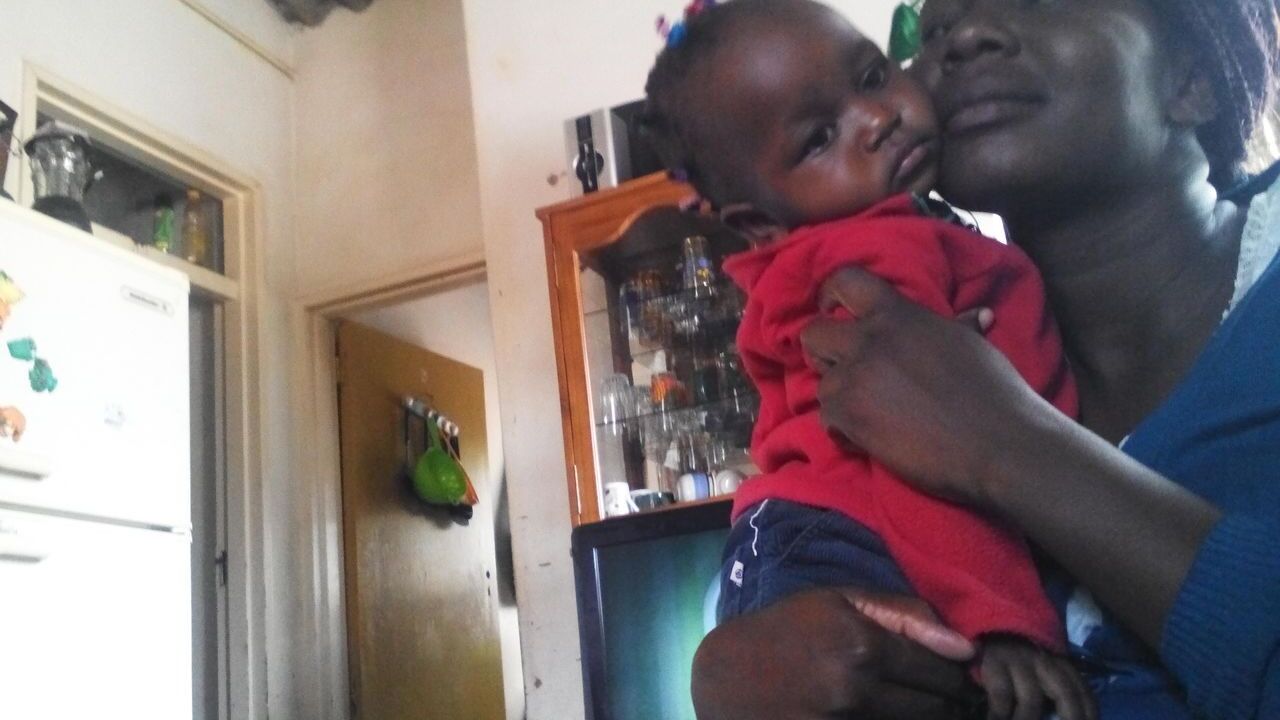
This best practice has helped to empower the women because it gives them the freedom and power to choose for themselves especially when it comes to their health status without being dictated to by their partners. Lifelong ART has enabled the women to live a healthy life and go through their pregnancy in a healthy state and deliver a healthy baby free from HIV.
This best practise has also helped to ensure that women diagnosed HIV positive during pregnancy can now do their day to day activities after delivery without any hindrances of having to worry about a sick child every day and being in and out of Hospital whilst sick or attending to an HIV positive child. This allows the woman to work and help fend for the family and in so doing improving their quality of life.
Kusaziva kufa chokwadii says, “The knowledge that you can deliver an HIV negative babies reply pushed me to attend the clinic together with my partner for ANC and for sure my wife delivered an HIV negative baby." The introduction of Life Long Art for pregnant women and their partners and the dissemination of information to all that it is possible to have an HIV negative baby has pushed more men to go the clinics with their partners an d their involvement in PMTCT programmes and gone a long way in making the dream of Zero new HIV infections in babies a possibility .The reduction of time spent at the clinic has also gone a long way in pushing the male partners to attend ANC and in so doing getting more inform on HIV and hearing the issues of Zero HIV in new born babies.
Women are now more liberated and now have the power to decide on their health status and treatment since this programme automatically initiates clients on ART without any requirements like CD 4 count. This negative HIV status of the baby and the improved health status of the woman helps to keep the baby alive and mother healthy and able to perform day to day duties without any health concerns and this helps to keep family alive.
The community has benefited a lot since more women are now able to do a lot of community activities and projects and even participate in support group activities which was not the same in the past were most of the women were always tied up at home looking after babies or too ill to do any activities due to the effects of HIV soon after delivery.
Some of the lessons that were learnt during this best practices was realising that more health education should be given to the clients. Also that it is very important to know ones status especially when pregnant because it will help in the management during ANC and help the outcome of the pregnancy especially the HIV status of the child More staff training are required to fully equip all health personnel with knowledge on PMTCT and Option B+. More programmes must be put in place to encourage the male partners to be involved in the ANC management of their pregnant partners.
This practise can be sustained by providing and availing more resources especially for this programme were more equipment like CD4,Viral Load machines, Hbp machines, DNA PCR machines in order to give a full package of health care.
Comments
Related Stories Of Change