Summit 2016-Mphaki Council COE

Entry 13237
Mphaki community council is a rural council in the district of Quthing in Qhoali no.68 constituency. It is about 50km from the town. The council office is within the ministry of agriculture offices. The council has put in place a number of gender-related policies to guide its work. The district council consist of 14 male councilors and 11 female councilors. The council aims to expand its percentage of female councilors from 44%. The Mayor of the council is a male and his Deputy Mayor is a female.The council is made up of four committees. There are more women employed than men in their Workforce of the council.
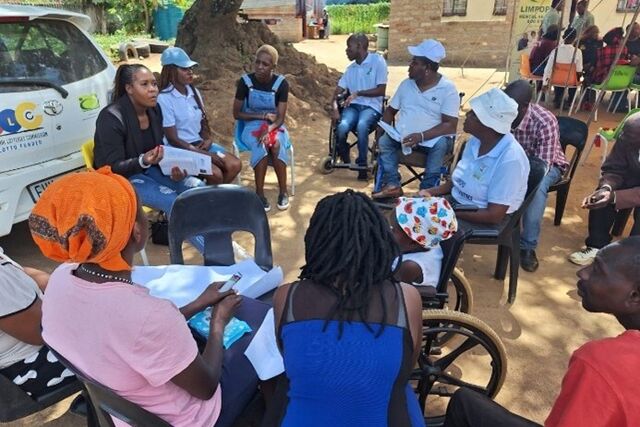
Young people, people living with disabilities (PWD) and community members participate in community-based planning projects and meetings. Between 51 and 75 percent, women participate in public consultations.
The total workforce of the council employees consist of 61 percent women, 35 percent youth and one percent people with disabilities. Women are only 5 of management. The accounting and revenue officers are women. The council has more women in non-traditional areas than men, even in the traditional setting there is a greater number of women employed than men.
There are provisions for maternity and paternity leave. The council does not have a sexual harassment policy. In cases related to Sexual harassment, there are conducted by the Disciplinary Hearing Committee established within the council.
The Mphaki Council allocates a substantial budget to gender-related projects from 2015 to 2016.
There are 430 beneficiaries benefiting from jobs created by the council, 260 women and 170 men. Through the involvement of the related government ministries like trade and cooperatives, Tourism, Gender, sports and recreation, Forestry and the UN agencies communities are sensitized and District Council which offers contracts is consulted and encouraged to engage the policies of community councils in allocating contracts to women, PWD and Youth.
Women, men, PWD, and youth are involved in the planning, management, and maintenance of water and sanitation. There is a total of 162 water and sanitation committees. There are 60 women and 102 men on the committees, 20 of which are chaired by women.
Comments
Related Stories Of Change