South Africa: Justice denied for persons with disabilities

| Gender Links
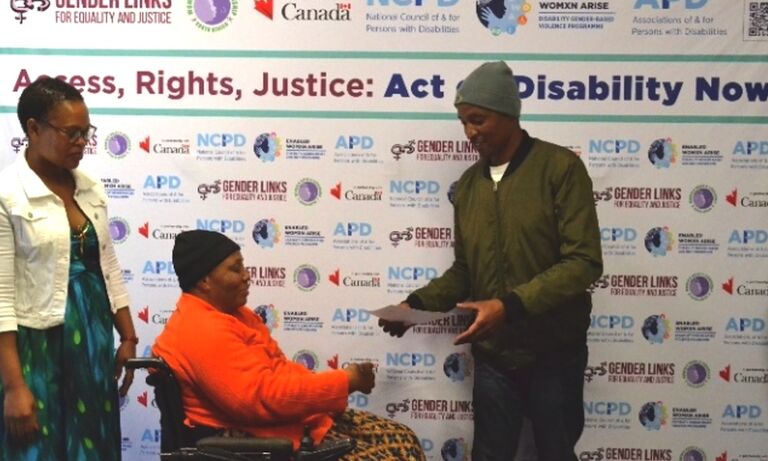
“Justice delayed is justice denied.”For persons with disabilities and gender-diverse individuals in South Africa, this reality is stark. Despite progressive policies, systemic barriers in accessing justice for gender-based violence (GBV) persist, often leaving survivors unseen, unheard, and unsupported.Barriers at the First StepFor many survivors with disabilities, exclusion begins at the police station or courthouse. Ramps, interpreters, and braille materials are often absent, while discriminatory attitudes further discourage reporting. Cases are frequently delayed or withdrawn due to the lack of disability-specific services such as counselling or accessible forensic processes.Gender-diverse persons face similar hurdles, with stigma and prejudice undermining their right to justice. Too often, their cases are dismissed or trivialised, reinforcing cycles of silence and marginalisation.Insights from the GroundAt the RWVL webinar held on 4 September 2025, survivors and experts brought these challenges to light.
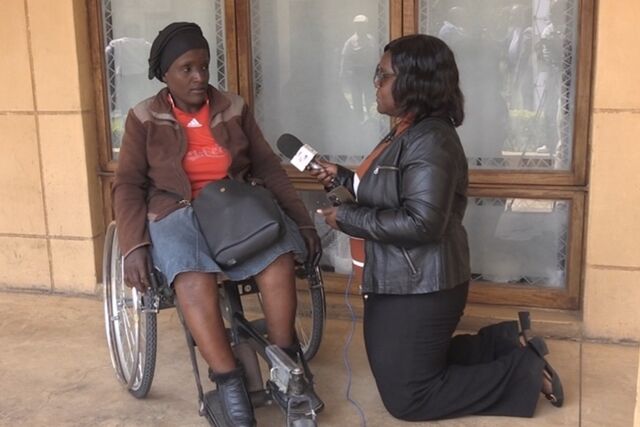
- Survivor Nonhlanhla, a wheelchair user, spoke of women with disabilities being excluded from vital GBV support services.
- A participant with autism highlighted the compounded vulnerability of women facing both neglect and poverty.
- Judiciary officer Zandile Ndawonde outlined barriers in court processes, while legal practitioner Sasabona stressed the need for specialised tools to support visually impaired survivors.
- Accessibility in justice spaces through ramps, interpreters, and assistive technologies.
- Capacity-building for justice officials to address disability and gender diversity competently.
- Policy enforcement, ensuring that protections are not just written but practiced.
- Inclusive storytelling, shifting media narratives from portraying persons with disabilities as passive victims to highlighting resilience and agency.
Comments
Related news