Mauritius: Becoming Whole, a Trans Masc journey toward liberation and self-truth

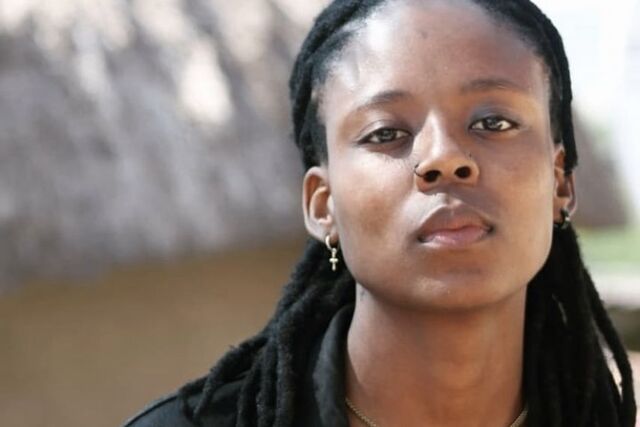
I grew up in a middle-class Hindu Mauritian family as the eldest of three children, with two younger brothers. From early on, I knew I was the odd one out in how I thought, how I expressed myself, and how I moved through the world. My political beliefs, my identity, and even the way I presented myself often stood in contrast to what my family expected.
Their influence on me took shape mostly through rejection, not of me as a person, but of the rigid ideas they tried to impose when I was younger. I resisted many things, especially religion, although I’ve since embraced it on my own terms as an adult. Witnessing gendered dynamics at home also pushed me to question the gender binary early in life. Seeing how these norms limited people and shaped roles within the family made me reject them long before I had the words to describe why.
Today, I identify as trans masc and non‑binary. I feel most comfortable being perceived and treated as masculine, while remaining critical of the gender binary and all the norms it carries. It took me a long time to become confident in my masculinity and to allow it to coexist with what society labels “feminine.” Now, even when I wear makeup, nail polish, or more feminine clothing, I still feel valid in my gender.
A big part of this journey has been dismantling the toxic masculinity I internalised growing up, especially because most masculine figures in my life had a troubled relationship with their masculinity, and therefore with their femininity, which they often rejected. As a trans masc person, I see it as my responsibility to challenge harmful ideas about gender shaped by the patriarchal system we have all been victims of. I try to deconstruct my relationship to gender in ways that are decolonial, critical, and radical, so that I can exist as a whole human being, not as a caricature of what society believes a “man” should be.
One of the hardest parts of expressing myself has been feeling valid in my identity, even when I might not look like what society expects a man to look like. Navigating public spaces as a genderqueer person can feel unsafe and exhausting. Standing up for myself has often meant doing deep internal work, building safety and confidence from within.
Ironically, some of the biggest challenges came from within the queer community itself. I’ve had cis gay people tell me I don’t “look trans enough” and trans people dismiss my identity because I am not on HRT. These experiences were painful but ultimately small compared to the overwhelming support I’ve found in the community I intentionally built around me. Surrounding myself with queer people of colour who share my political values has given me the strength to exist and to blossom every day. My community is my backbone.
As for Mauritian society, I see it becoming more open than before, but unfortunately, much of this openness seems to come from Westernisation rather than true decolonial reflection or critical thinking. What I dream of is a Mauritius free from its colonial chains, free from class and race divides. Only then can we all be truly free, instead of living with the illusion of freedom where some enjoy more privilege than others.
I believe that simply existing as myself, doing the work of self-reflection, and embodying my values in how I interact with people contributes to that vision. Marginalised communities are often more aware of systemic oppression because we experience it first-hand. That’s why I believe it’s our responsibility not only to critique the world around us but also to examine ourselves. We must dismantle the system’s chains within our own minds and communities. Too often, we focus only on the consequences of oppression instead of understanding its root causes, and that keeps us divided and disempowered.
For real change to happen, we need a society that is willing to listen, to try, and to let go of fear and judgment. Only then can we build the Mauritius we all deserve.
Comments
Related I Stories