Lesotho: When self‑acceptance becomes freedom


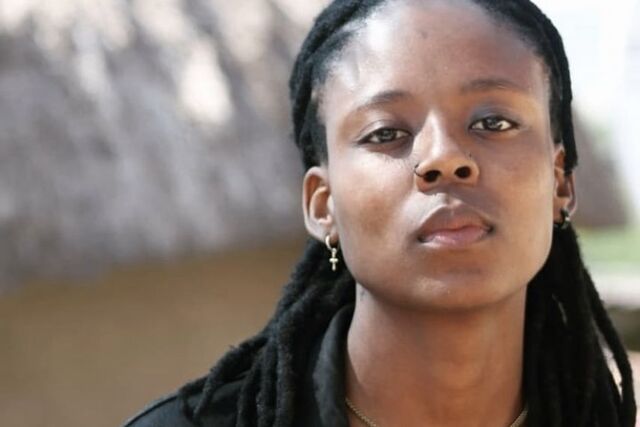
I have always known, deep inside, that something about me did not fit the script I was expected to follow. For years, I couldn’t name what I felt or understand why I felt it. Growing up as an orphan, I was raised by people who were not my parents, people I never wanted to disappoint. Their approval became my safety net, and the fear of losing their acceptance kept me from exploring who I truly was. Religion reinforced that fear. I was taught that queerness was sinful, wrong, and something that needed to be “fixed.” So I tried to play the part: the good girl, the dutiful daughter, the version of myself that everyone else could live with, even if I couldn’t.
It was only in my final year of varsity that I finally allowed myself to be who I had always been. I didn’t come out with a grand announcement; instead, I felt a quiet peace when I finally said to myself, “This is who I am.” Maybe I was a late bloomer, or maybe I just bloomed when I was ready.
My friends became my saving grace. They embraced my identity without treating it like a revelation. They simply accepted it as a part of me, and their love helped me embrace authenticity. Through them, I learned that I didn’t need to justify my existence or make sense to everyone; I only needed to make sense to myself. I found comfort in the stories of other women who had walked similar paths, seeing myself reflected in their resilience. I realised that being feminine and being lesbian were not contradictions, but powerful, intertwined parts of who I am.
What changed most was my understanding of visibility. I no longer feel that “coming out” is something I owe anyone. Especially in professional spaces, I’ve learned that coming out can shift focus away from your work, making your competence secondary to your sexuality. I don’t hide, I just live. I am.
What still needs to change is the culture that insists our identities fit into narrow boxes. Acceptance shouldn’t come with conditions. Queer people shouldn’t have to stand trial to earn basic respect or safety. As Zanele Muholi once said, and a quote I hold close, “If I wait for someone else to validate my existence, it will mean that I’m shortchanging myself.”
Being queer in Lesotho often means living in silence. The constant negotiation between authenticity and safety is draining. Social spaces remain conservative, and many people are harsh toward anyone who doesn’t conform. Being feminine sometimes grants me invisibility, I can “pass” when needed, but that invisibility is its own form of erasure. You’re accepted only if you don’t look queer, act queer, or talk about being queer. It’s an exhausting balance of trying to be seen, but not too much.
Through all this, I’ve learned that self‑acceptance is not a single moment but a lifelong process, a series of quiet decisions to choose yourself daily. I’ve also learned that community is not defined by identity alone, but by shared understanding. The people who hold space for you without demanding explanations, those are your home.
Looking ahead, I hope to live even more freely and help others do the same. Through my work as a human rights activist, I want to create and support spaces where people don’t have to defend their existence. Spaces where we can talk about our work, our dreams, our lives, without everything being reduced to our sexuality.
Because at the end of the day, being queer is only one part of me. It is one of my truths, but not the only one.
Comments
Related I Stories