Botswana: My authentic self

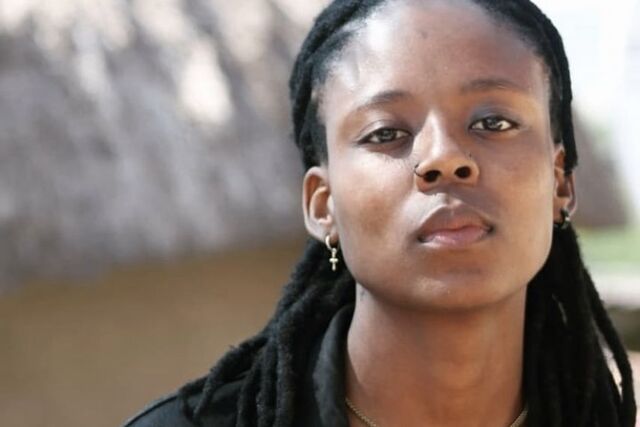
For years, I struggled with work. I could always find good jobs and perform well, but happiness escaped me. Even though I was out to my family, I lived a double life. I never knew how my gender expression would be perceived in a professional setting, so I hid the parts of myself that felt too bold, too colourful, too “much.” At work, I wore suits and kept my personality contained. I didn’t deny being gay, but I was careful to present a version of myself that felt safe, controlled, and acceptable.
After hours, everything shifted. At home or with close friends, I dressed how I wanted, did my nails, and allowed myself to breathe. But the higher I climbed the corporate ladder, the more paranoid I became. I worried constantly about running into colleagues when I was out with friends, what if they saw me in heels, in makeup, expressing the femininity I had learned to hide? The anxiety became so intense that I began declining invitations. I would only see friends at home, shutting myself in to avoid being seen “the wrong way.” In trying to protect myself, I slowly strangled and suffocated my social life.
Everything started to change almost two years ago when a young new hire joined our team. He was bright‑eyed, energetic, flamboyant, and unafraid of taking up space. I admired his confidence but worried the corporate environment would crush him. I took him under my wing, not realising he would end up teaching me far more than I taught him. His authenticity, loud, unapologetic, and joyful, encouraged me to bring more of my true self to work.
A few months ago, I walked into the office with a manicure for the first time. Nothing dramatic happened. The sky didn’t fall. The world didn’t collapse. I simply existed, and my colleagues responded with courtesy and professionalism. Since then, I’ve started wearing clothes that feel more like me: androgynous, expressive, honest. It feels as though people are finally seeing the real me, and to my surprise, no one has a problem with it.
The real change happened within me. I became confident in who I am, a multi‑faceted person whose expression does not diminish my expertise, professionalism, or abilities. I now feel grounded in both my appearance and my work. If I could shift one more thing, I would bring in organisations like LEGABIBO to train staff on diversity and inclusion, not because my colleagues are prejudiced, but because I want others like me to show up authentically without needing bravery as a prerequisite.
Still, the challenges are real. Negative media coverage fuels hateful comments, especially online. Physical violence may not be common, but I often worry that the anger festering in comment sections could spill into real life. Living authentically always comes with a measure of fear.
To anyone going through something similar, my advice is this: be brave enough to live in your full truth. Find someone who can hold space for you, whether that’s a trusted person or an organisation like LEGABIBO. The journey toward authenticity is frightening, but it is also liberating.
My hope moving forward is simple: to keep showing up as my authentic self, every day, in every space, and to inspire others to do the same. Because it’s only when we show up fully that we can give our most authentic selves, both to others and to ourselves.
Comments
Related I Stories