Role & Sustainability of African Regional NGOs

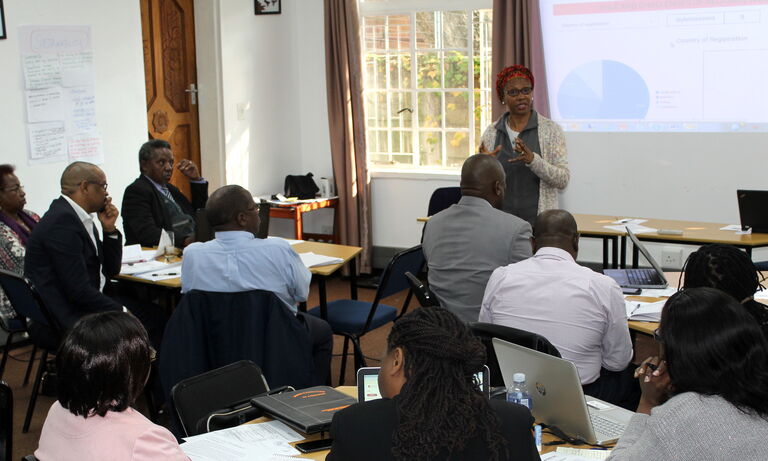
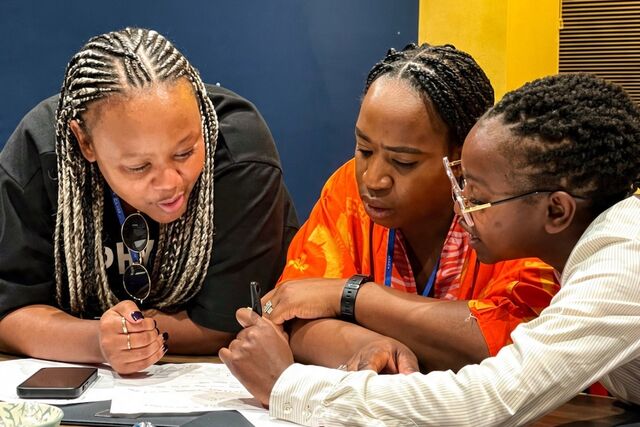
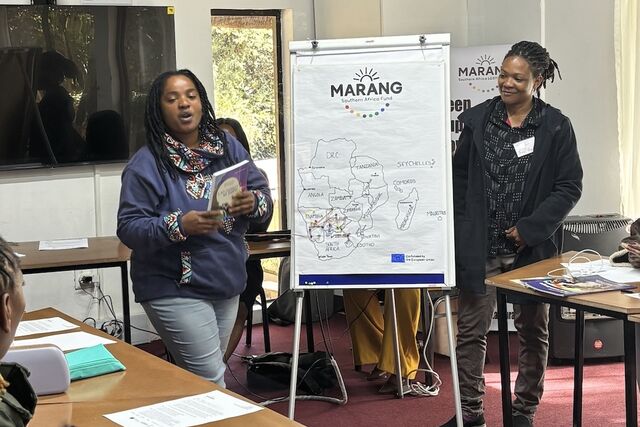
African Regional NGOs (RNGOs) ended a two day round table in Johannesburg with a call to their governments, regional economic commissions, and international co-operating partners to join hands with them in strengthening regional civil society organisations.
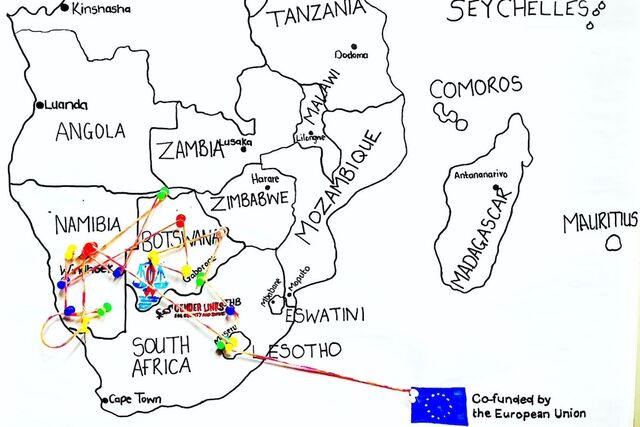
The self-funded dialogue began as a Southern African initiative but attracted participation from Pan African, East and Southern African NGOs[1] (see profiles at Annex A). These include networks that campaign for the prevention, treatment and care of HIV and AIDS, TB and malaria; promote sexual and reproductive health and rights; women’s rights and human rights more broadly, with a strong emphasis on ending poverty.
Reaching from community to policy level, the organisations have lobbied for regional norms and standards, such as the East African Gender Bill; SADC HIV and AIDS, Environment, Gender and Development protocols. They monitor government performance against these commitments, and have started strategic partnerships, for example working together to produce annual barometers that track progress in achieving gender equality. The RNGOs facilitate citizen participation; provide legal aid; lobby for the rights of migrants; miners and cross border traders.
“What unites us is that we are African regional organisations that understand the local context and add value by linking work at the local, to the national, to the regional, to African Agenda 2063 and the UN Sustainable Development Goals,” said Bhekinkosi Moyo, outgoing Executive Director of the Southern African Trust, a co-convenor of the dialogue.
The RNGOS defined sustainability as the ability to endure through continual replenishment of financial, human, physical, intellectual, and natural resources. They recognised the need for accountability, particularly to the communities they work with, good governance, transparency, innovation and adaptability as key to the sector’s survival.
The second day featured a round table with international NGOs, foundations, bilateral, multilateral and private sector partners.[2] The RNGOs expressed concern over a growing trend towards larger amounts of funding going to fewer NGOs, especially from the North, as well as the decline in support for institutional strengthening.
A rapid response survey of the participating organisations found that while these organisations vary in size and function, overall they have experienced a drop in funding, from $15.1 million in 2016 to $13.4 million in 2017. Although the group is not a representative sample, anecdotal evidence suggests that many RNGOs are under financial stress. “We appear to be falling between the cracks: too small for the big funds and too big for the small funds,” noted Colleen Lowe Morna, CEO of Gender Links, which co-organised the gathering.
A worrying trend is that all four Women’s Rights Organisations (WRO) that participated in the initiative have experienced declines in their funding. “All the evidence shows that direct funding for women’s movements is critical for sustaining the momentum on gender equality,” noted Memory Kachambwa, Acting Executive Director of FEMNET which has launched a parallel campaign #FundHerAfrica.
Key challenges identified include:
- Shrinking operating space for civil society; limited support for RNGOs by host governments (e.g. work permits for staff from neighbouring countries) and limited government financial support for local and regional NGOs.
- Limited engagement between RNGOs and Regional Economic Commissions such as the Southern African Development and East African Communities.
- Donor funds shifting away from advocacy to humanitarian crises; preference for funding a few large (mostly northern-based) intermediaries; shrinking funds for middle income countries where regional organisations are often based (e.g South Africa, Kenya and Ghana) and limited funding windows for RNGOs.
- Competition for scarce resources from International NGOs (some decentralising and moving their head offices to African countries) as well as from UN agencies and governments, with only a tiny fraction of Overseas Development Assistance targeted at civil society.
- Consortium funding requirements that require time and resources to access.
- Pressure to diversify into income generation ventures in which the sector lacks experience and personnel.
- High staff turn-over and capacity constraints as a result of funding uncertainties.
- Inadequate coordination within the sector.
The round table called on governments to facilitate the work of RNGOs through enabling environments, including the provision of work visas for nationals of neighbouring countries. The RNGO leaders called on Regional Economic Commissions in particular SADC, the ECA and the African Union (AU) to create mechanisms for meaningful engagement with RNGOs, including formal accreditation.
The round table called on International Co-operating Partners (ICPs) to open funding opportunities to RNGOS, including those based in middle income countries; invest in the institutional strengthening of RNGOs; work in equal partnerships with them; and be inclusive and transparent in their approaches.
RNGOs pledged to:
- Become more relevant in working with the RECs, for example mobilising citizen action on the big ticket issues like the SADC Industrialisation Strategy.
- Improve transparency and accountability, including peer support for joining initiatives such as the International Aid Transparency Initiative (IATI).
- Map and engage actively with the growing cadre of African philanthropists, and lobby for part of this funding to go to policy and advocacy work.
- Create brokering platforms for joint ventures.
- Create learning and sharing platforms on self- funding consistent with their visions and missions.
- Continue this engagement through extending the partnership, and convening the #FudingforAfricanRNGO forum on a regular basis.
For further information contact: Marlon Zakeyo, mzakeyo@southernafricatrust.org; Colleen Lowe Morna, ceo@genderlinks.org.za
[1] AIDS & Rights Alliance for Southern Africa; AIDS & Rights Alliance for Southern Africa; EASSI;
FEMNET; Gender Links; Mandela Institute for Development Studies; Southern Africa Cross Border Traders association (SACBTA); SADC Lawyers' Association; SAFAIDS; Southern Africa Trust; WLSA - Regional Office; SADC -CNGO
[2] DFID; Diakonia; Finland; Ford Foundation; GIZ; Global Affairs Canada; Mott Foundation; NEPAD; SADC; SIDA – Zambia.
Comments
Related news