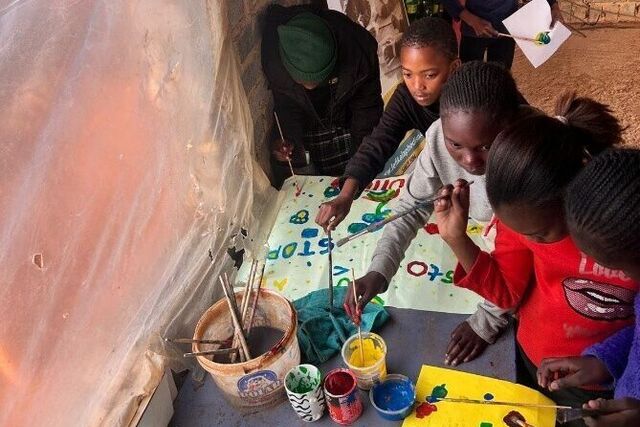
Zimbabwe: SafePath - Guiding Girls Towards A Secure Future


SafePath Zimbabwe is helping adolescent girls gain accurate SRHR knowledge, build confidence and challenge harmful norms. Through safe spaces and girl-led advocacy, the project is shifting communities from silence and misinformation towards protection, informed choice and supportive dialogue.
SafePath Zimbabwe was established to address early and unintended teenage pregnancies, limited access to Sexual and Reproductive Health and Rights (SRHR) information and harmful gender norms affecting adolescent girls in marginalised communities in Hatcliffe, Harare. Many girls aged 13–24 faced stigma, early pregnancy, school dropout and a lack of supportive family structures. They also lacked safe spaces to ask questions or access SRHR services. The initiative sought to increase SRHR knowledge, strengthen girls’ agency and involve families and leaders in protecting girls’ rights.
Change came through deliberate community engagement, girl-centred programming and participatory advocacy approaches. Structured SRHR sessions, dialogues, mentorship and peer learning helped girls openly discuss sexuality, challenge harmful norms and gain accurate information. Advocacy strategies were shaped through linking and learning sessions, enabling the project to adopt storytelling and participatory approaches.
Before the project, discussions on GBV, consent, contraception and bodily autonomy were taboo. Misinformation, silence and stigma limited girls’ ability to make informed decisions. Following SafePath interventions, girls reported improved understanding of SRHR concepts, confidence to ask questions and ability to advocate for their wellbeing. Parents and community members also gained awareness and began actively supporting girls.
The change is significant for the gender equality and SRHR movement. Girl-led approaches strengthened girls’ agency and highlighted the importance of community-led SRHR initiatives. The project created a foundation for sustainable advocacy through peer leadership, collective action and structured engagement with local leaders.
Sustainability will come through strengthened peer-led structures, continued SRHR education integrated into community safe spaces and expanded community dialogues. Partnerships with schools, community leaders and service providers will support scale-up, while resource mobilisation will help extend the initiative to similar communities facing the same challenges.
Quotes:
Rudo - Before SafePath, we were told that talking about SRHR is disrespectful and that girls should just keep quiet. Now we understand that knowing our rights is not wrong.
Christabel - I used to think consent meant you cannot say no once you are in a relationship. Through the sessions, I learned that consent must be clear and can be withdrawn at any time.
Mai Marange - Through the SafePath community dialogues, we have seen increased awareness among girls and parents about the Victim Friendly Unit desk at the police station. Girls now know where to report abuse.