South Africa: Setting Boundaries, Opening Healing

Before the Healing Begins
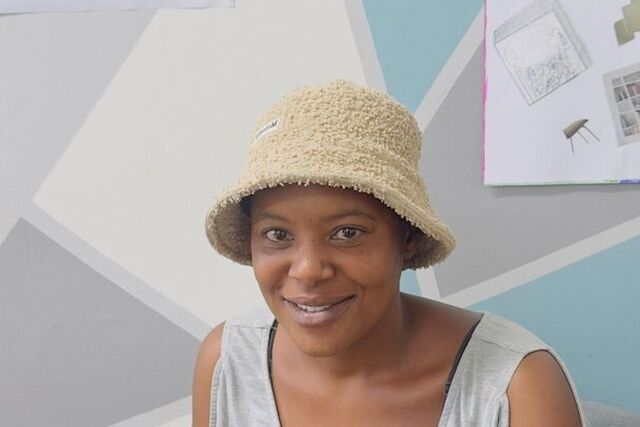
For Mthembukazi Bavuma, life as a community responder was a constant balancing act—holding space for others while silently carrying her own emotional burdens. Like many in gender justice spaces, she was deeply committed to her work, yet the weight of trauma and stress was becoming overwhelming. Without access to safe, supportive environments to process these emotions, the risk of burnout loomed large.
The need for healing was urgent—not just for individuals, but for the sustainability of the work itself. Those who care for others must also be cared for.
The Turning Point
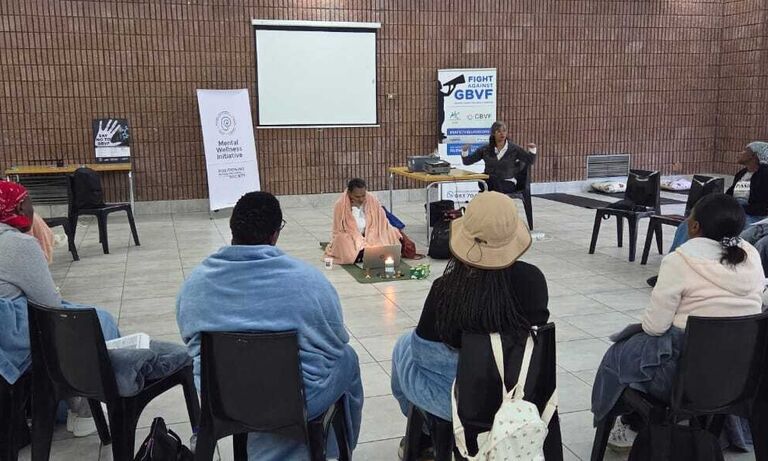
Everything changed when Mthembukazi attended the Mental Wellness Initiative’s full-day healing workshop. Designed as a trauma-informed space, the workshop offered more than theory—it provided practical tools and embodied practices to restore balance and resilience.
Through shared learning, trauma education, and somatic exercises such as TRE (Tension and Trauma Releasing Exercises), participants were guided to reconnect with their bodies and emotions. For Mthembukazi, this was transformative. She discovered the power of setting boundaries and communicating her needs—skills that are often overlooked but essential for emotional well-being.
What Changed?
The impact was immediate. Mthembukazi reported feeling lighter, sleeping better, and more confident in managing trauma—both her own and that of others. This shift was not just emotional; it was practical. By learning to set boundaries, she began to protect her mental health while continuing her vital work in the community.
Her words capture this change:
“Setting boundaries and communicating your needs and expectations more clearly.” – Mthembukazi Bavuma
Michelle Hendrikz, another participant, echoed the sentiment:
“To be open to new and different approaches.”
These reflections highlight the workshop’s success in fostering resilience and openness to alternative healing modalities.
Evidence of Transformation
The change is documented through participant feedback and Jotform responses. Beyond the data, the quotes speak volumes. They reveal a renewed sense of agency and a commitment to self-care—critical elements for those working in high-stress environments.
Sustainability and Next Steps
Healing is not a one-time event; it’s a continuous journey. For Mthembukazi, the next steps include seeking guided support, accessing resources, and joining community groups. Her eagerness for refresher workshops and peer-led spaces underscores a vital insight: sustainable wellness requires ongoing engagement.
The Mental Wellness Initiative recognizes this need and is planning follow-up sessions, resource hubs, and community-driven support networks. These efforts aim to ensure that the seeds planted during the workshop grow into lasting change—rooted in trust, embodiment, and collective care.
Why This Story Matters
Mthembukazi’s journey reminds us that empowerment begins within. When those who care for others are given the tools to care for themselves, the ripple effect strengthens communities and deepens resilience. Healing spaces are not a luxury—they are a necessity for gender justice work.
By: Segametsi Ditlhale.
Comments
Related Stories Of Change