South Africa: From Silence to Strength – Lizel’s Journey of Empowerment

From Silence to Strength: Lizel’s Journey of Empowerment
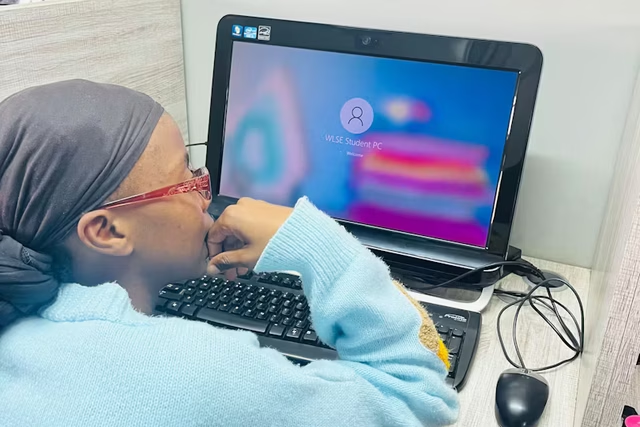
Bonteheuwel, a community on the Cape Flats in South Africa, is often associated with violence, poverty, and limited opportunities. For young women growing up here, silence can feel like survival. Fear, social neglect, and lack of support create barriers that seem impossible to break. This was Lizel’s reality—a quiet, uncertain girl navigating a world where her voice felt invisible. But Lizel’s story is not one of defeat.
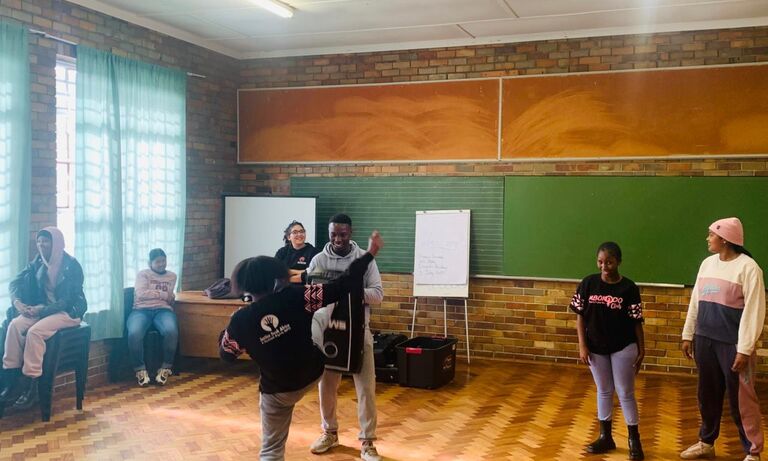
It is a story of resilience, courage, and transformation. Her turning point came through the Mbokodo Program, an initiative designed to empower young women from vulnerable communities. The program offered more than workshops; it created a safe, nurturing space where participants could heal, grow, and lead.
Before joining Mbokodo, Lizel faced the same risks as many girls in Bonteheuwel: exposure to violence, limited educational opportunities, and the constant pressure to remain silent. The program’s objectives were clear and urgent:
- Provide a safe space for young women to express themselves.
- Build emotional resilience and self-worth.
- Develop leadership and advocacy skills.
- Encourage positive academic and social engagement.
For Lizel, these goals became a lifeline. Through emotional support and leadership training, she discovered her voice—and with it, her power.
The Change
Lizel’s transformation was profound. She gained confidence, leadership skills, and a renewed sense of purpose. Her academic performance improved, and she began to take on leadership roles in school and within the program. More importantly, Lizel became a role model for her peers, inspiring other young women to believe in themselves.
Her journey illustrates a powerful truth: when young women are given tools, support, and a platform, they don’t just change their own lives—they ignite change in their communities.
How Did This Change Come About?
The Mbokodo Program provided Lizel with what her environment could not: safety, mentorship, and opportunity. Through structured activities focused on emotional healing and confidence-building, Lizel learned to stand tall. She began speaking up for herself and others, challenging the silence that once defined her life.
Today, Lizel is not just surviving—she is thriving. She is a young leader who uplifts her peers, advocates for change, and embodies hope in a community where despair often dominates.
Voices of Transformation
The impact of the Mbokodo Program extends beyond Lizel. Here are voices from others who experienced similar change:
- Milisani Mpongoma:“Before the Mbokodo Program, I didn’t believe my voice mattered. Now, I know I have the power to lead, to speak up, and to help others find their strength too.”
- Mbalentle Tyityi:“The program didn’t just change how I see the world—it changed how I see myself. I’m no longer just surviving; I’m growing, leading, and showing others that they can too.”
- Inam Mbendeni:“In a community where silence and fear felt normal, the Mbokodo Program taught me to speak with courage. Now, I stand tall not just for myself, but for others too.”
Sustainability and Next Steps
The ripple effect of empowerment is real. Lizel’s growth continues to inspire others, and the Mbokodo Program is committed to sustaining this change. Plans include:
- Training more facilitators to expand the program into other high-risk communities.
- Equipping alumni like Lizel to lead peer support groups and community initiatives.
- Strengthening partnerships with schools and local organizations to integrate leadership and emotional healing into broader youth development efforts.
Sustained impact depends on long-term engagement and creating spaces where empowered young women can lead from within. Lizel’s story proves that when we invest in young women, we invest in the future of entire communities.
By: Nicholas Tlatlane.
Comments
Related Stories Of Change